
This article explores the experience of doing a part-time distance PhD in later life. The author’s age was an advantage, allowing them to focus on their thesis without distractions or major hiccups. The article reflects on how to make for a smooth doctorate – emphasising the importance of strong interest in your topic, supervisors who are easy to work with, and a bit of luck!
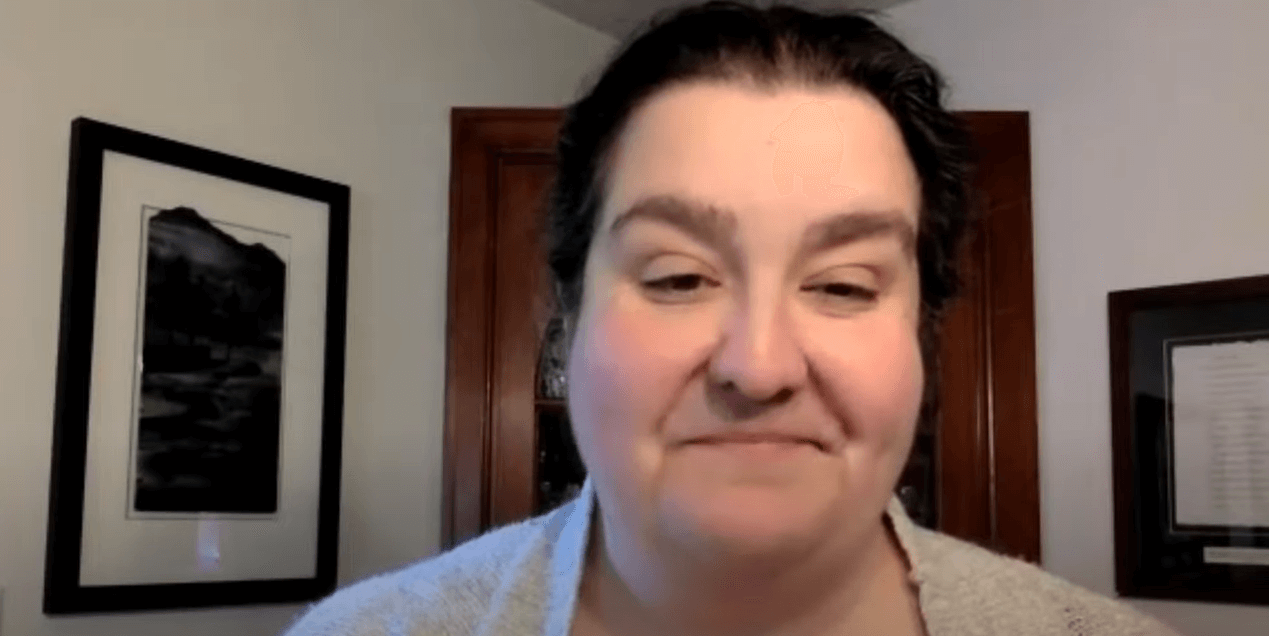

Adrienne Darrah discusses the advantages and difficulties of pursuing a PhD later in life, and presents reasons why you should contemplate undertaking a PhD as an older student in this talk.

Most academic papers are rejected because of unclear writing, not weak research. These five editing techniques help you see your draft clearly, sharpen your argument, and submit with confidence.

Inger ‘The Thesis Whisperer’ Mewburn is something of a superhero to PhD students around the world, dedicated to improving doctoral experiences and post-PhD employability. In this interview, our Editor-in-Chief Charlotte Marino is delighted to share Inger’s wisdom on everything from careers advice to the moral panic around AI – all the while advocating for a kinder, more inclusive academia.


Learn about the similarities between pursuing a PhD in a research field and launching a startup business. From selecting a viable research topic to marketing your work, PhD students and entrepreneurs have overlapping skills and mindsets that can lead to success. Read more to find out how PhD students can learn from entrepreneurial techniques to achieve success in academia.

Need guidance writing the reflexivity section of your thesis (or indeed writing reflexively throughout the thesis)? This article defines reflexivity as going beyond reflection to consider the influence of our positionality on our work. It covers three main types of reflexivity – personal reflexivity, methodological reflexivity and philosophical reflexivity – and includes some working examples to illustrate the thought processes and questions that facilitate transparency and rigor in research.