


Nurturing your wellbeing is a crucial part of the PhD. This article is packed with wisdom and insights on supporting (and advocating for) your own wellbeing during the PhD journey, from an autistic perspective. It emphasises the need to remind yourself of the wider picture and embrace the ups and downs of the PhD journey.

Anxiety is a debilitating condition that can make the simplest of tasks difficult, let alone a PhD. This empowering article follows Jake’s experience with anxiety during sixth form and university, and how once he discovered research he began to view anxiety as a superpower to keep his PhD pushing forwards. He shares anxiety-reducing techniques for when it gets too much, including affirmations and breath control, and emphasises the value of accepting anxiety in your life.

Need guidance writing the reflexivity section of your thesis (or indeed writing reflexively throughout the thesis)? This article defines reflexivity as going beyond reflection to consider the influence of our positionality on our work. It covers three main types of reflexivity – personal reflexivity, methodological reflexivity and philosophical reflexivity – and includes some working examples to illustrate the thought processes and questions that facilitate transparency and rigor in research.

The ethical implications of field research require careful consideration and reflexivity. Chukwudi Njoku offers some reflections of his PhD fieldwork on the pastoralists-farmers conflict in Benue and Taraba States, Nigeria.

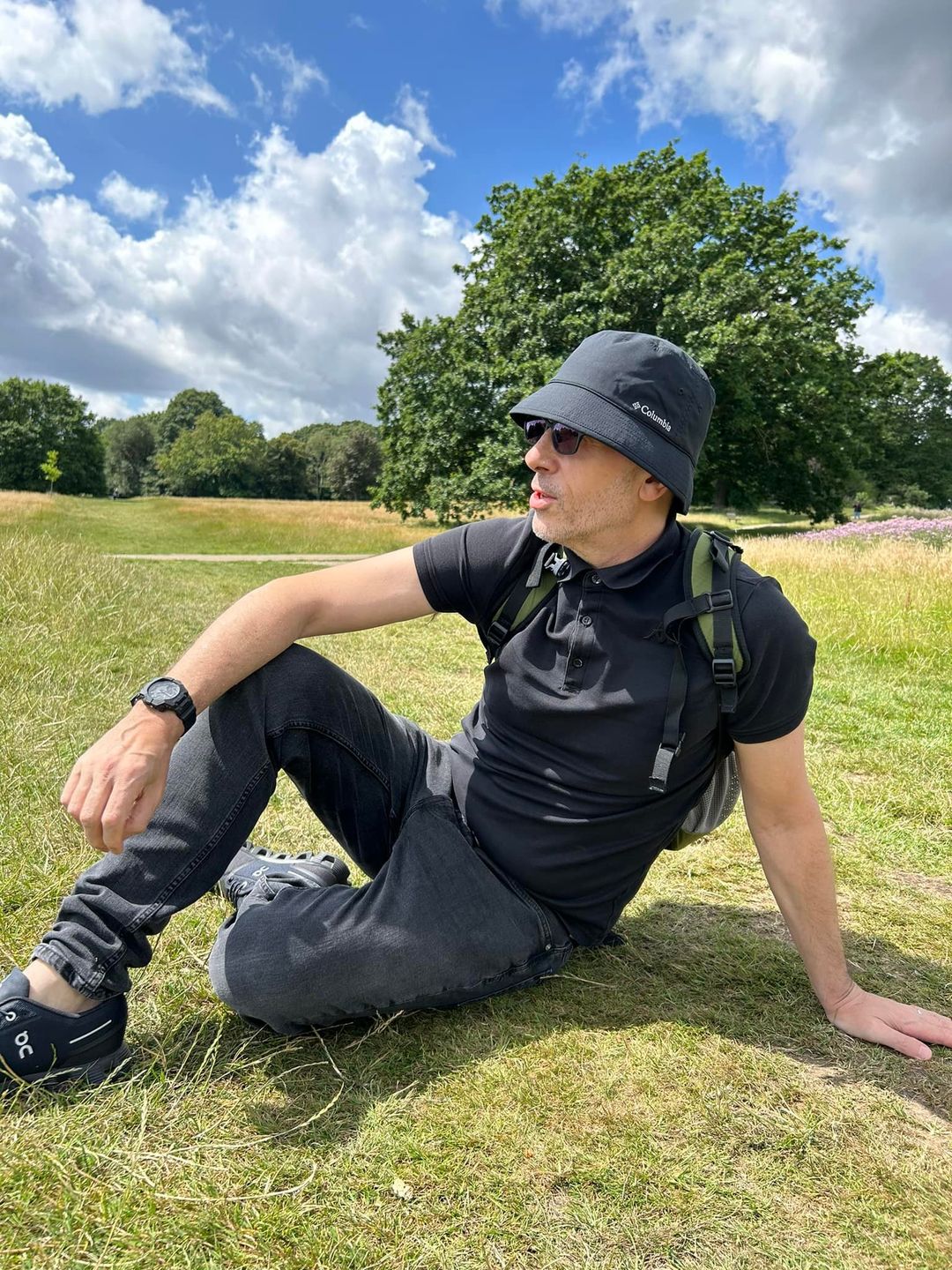
This article explores the experience of doing a part-time distance PhD in later life. The author’s age was an advantage, allowing them to focus on their thesis without distractions or major hiccups. The article reflects on how to make for a smooth doctorate – emphasising the importance of strong interest in your topic, supervisors who are easy to work with, and a bit of luck!
Applying to PhD programs can be confusing, and there is little advice about how to go about applying for them. This article offers three top tips for navigating the PhD application process and making yourself a strong applicant.