
From dancer to writer. Old dog, new tricks. An unconventional path into academia.


In this article, Badryah shares her personal journey of overcoming fear, stress and perfectionism around public speaking, by seeking support, enrolling in a skills course, and shifting her mindset.


In this article, Kristin Hynes describes her experience of comprehensive exams (required by some US universities.) With 5 tips, Kristin shares how other students can be successful in this part of the admissions process.

PhD survivor Hannah Broadbent shares her personal account of persevering through her PhD, detailing her struggle with imposter syndrome and mental health. Upon self-reflection, she shifted from academia to an industry job that best matched her preferences. Her story emphasises the importance of personal satisfaction over conforming to the perfect PhD student stereotype.


What is it like to be a PhD researcher in Law? Rebecca Hall tells us about her experiences as a research council funded first year PhD student, six months in.
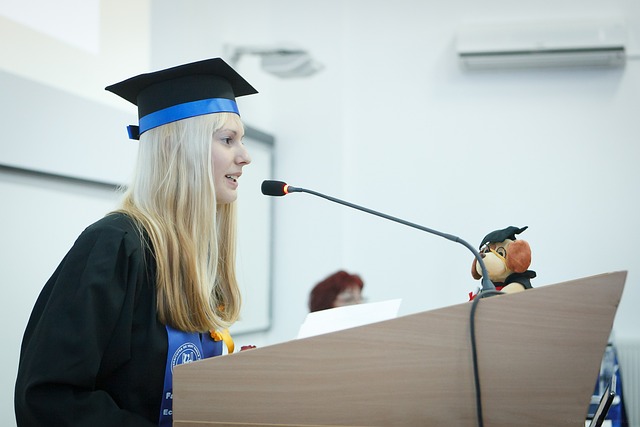

The idea of attending and presenting at academic conferences can seem incredibly intimidating for PhD students. Drawing on his wide range of experiences at conferences around the world, this PhD candidate provides advice and tips on applying, preparing, attending, and presenting at an academic conference. Remember to enjoy your brief time in the spotlight, and remember your presentation is really only a small element of the event!

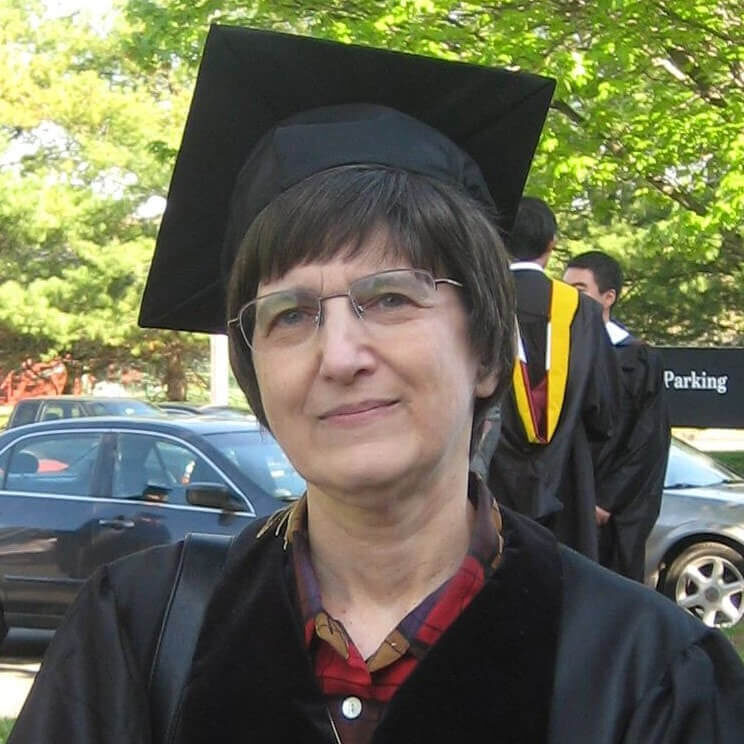
Donna L. Halper’s PhD journey began after she lost her job in radio and wanted to reinvent herself as a full-time educator. However, being in her 50s and a woman applicant meant that she faced rejection from several universities, making her determined to prove them wrong.