
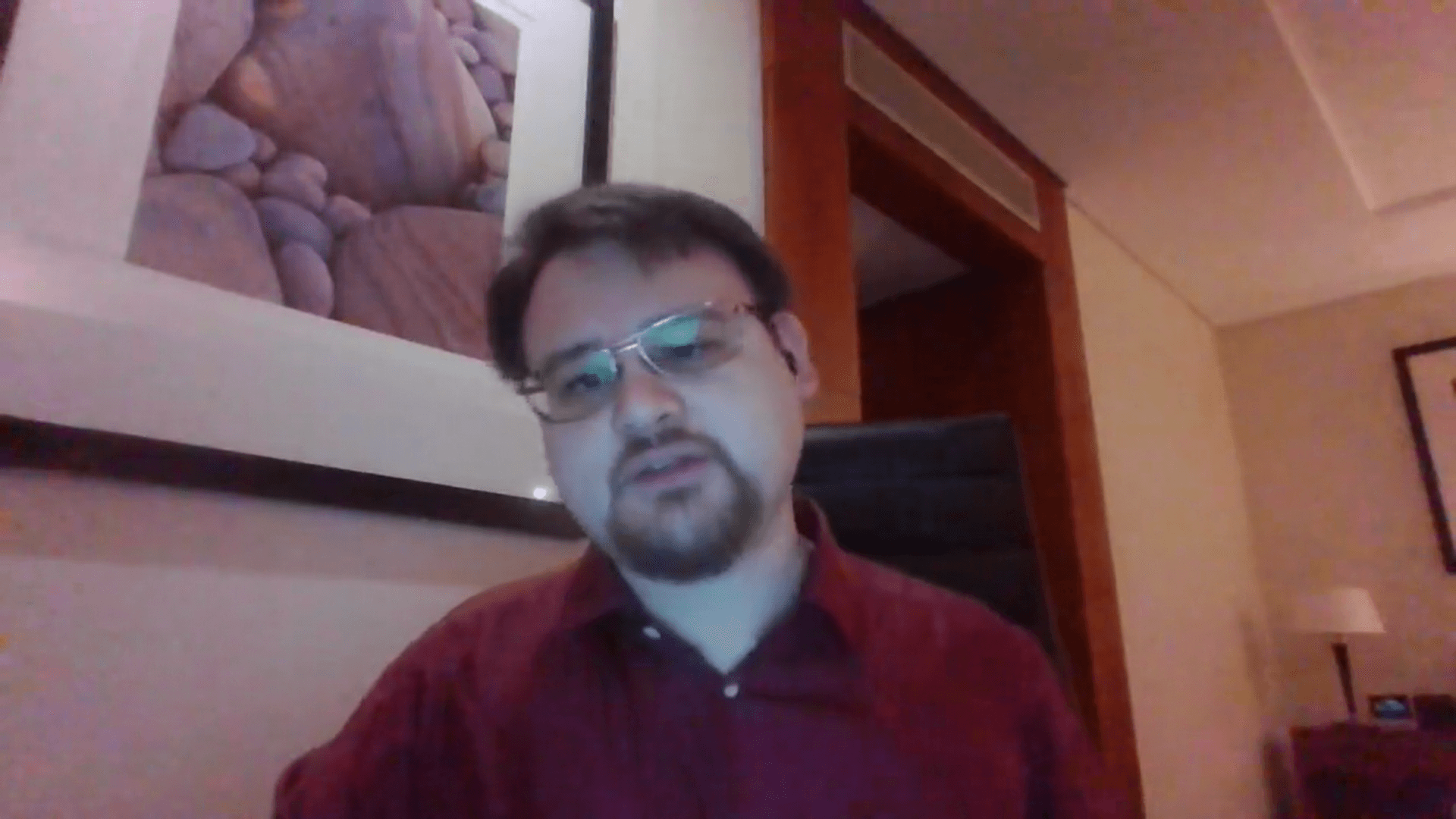
In this video, Dr Nicolai Due-Gunderson explores the advantages and disadvantages of basing your PhD on your Master’s topic. Whether you’re considering continuing your studies or are already on the path to pursuing a PhD, this video offers valuable insights to help you make an informed decision about your research direction.


Follow Marco T.P. Gontijo’s journey as he applied to PhD programs, received the prestigious Fulbright scholarship, and was accepted into a PhD program at Duke University in Molecular Genetics and Microbiology.


Are you studying for a PhD abroad? Are you worried about integrating meaningfully into your PhD life in a different country? In this article, Dai Wenqi explores how to socialise and adapt to a new culture during your PhD abroad, providing advice from her lived experiences to help you enjoy your doctoral life to the fullest. This includes respecting and engaging with the culture of your host country, learning the language (but forgo the pressure of perfect fluency), and leaning into your unique personal charm.

This article explores the challenges, doubts and pressures faced during the pursuit of a PhD. It takes a close look at how PhD candidates are chosen, highlighting the need for looking into the scientific character of the candidate and their way of thinking rather than just focusing on academic achievements alone. The narrative also highlights coping strategies, advocating for resilience and self-reflection. Ultimately, it offers motivation to others, encouraging them to persevere in their pursuit of knowledge and passion in the face of adversity.


‘Side projects’ are valuable additional endeavours alongside your PhD that can build your skillset, relevant connections and future employability – both in and outside of academia. This article discusses some common side project ideas for PhD students, and highlights some of the short-term sacrifices required to complete them.


Need ideas for writing your Academic CV? Holly Prescott, a Careers Adviser for Postgraduate Researchers, shares her top 5 tips in this article.

This article explores how advice, whether solicited or unsolicited, can damage the morale and hope of those doing a PhD. The purpose of this article is to comment on the boundaries that researchers must put in place to avoid being negatively affected: we must be discerning as to whether advice is useful and pertinent, or whether it is not applicable to us. The main message is: don’t listen to everyone, and trust your own judgement!

The ethical implications of field research require careful consideration and reflexivity. Chukwudi Njoku offers some reflections of his PhD fieldwork on the pastoralists-farmers conflict in Benue and Taraba States, Nigeria.