


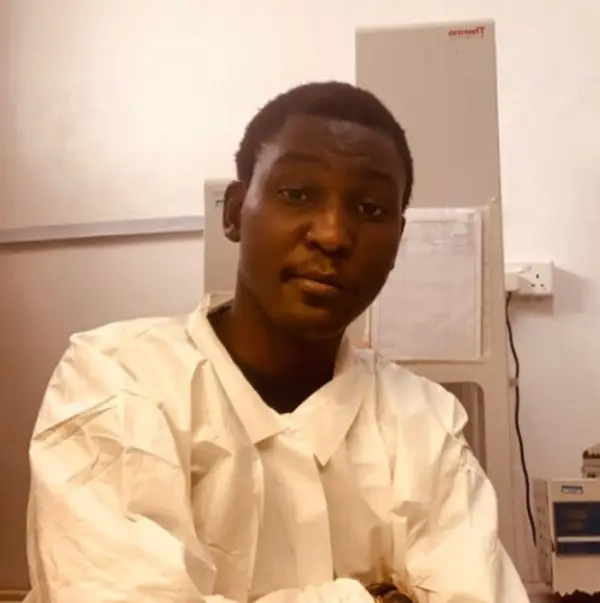
In this motivational article, the author reflects on their journey to securing a PhD in their home country of Nigeria after rejections abroad. They have come to see this redirection as a blessing in disguise. The article emphasises the importance of persistence and making the most of opportunities available to you, wherever that may be.

A former history MA graduate, Jim Hulbert, recounts how he went from traveling to working, and returning to academia. After some years of working, he decided to pursue a PhD, a journey that was jumpstarted during the COVID-19 pandemic when he was furloughed from work.


Learn how to increase your chances of getting a PhD scholarship by reading the tips and experiences shared by Chris Thompson. This article covers important areas such as personalizing your application, creating a positive social media presence, and more.

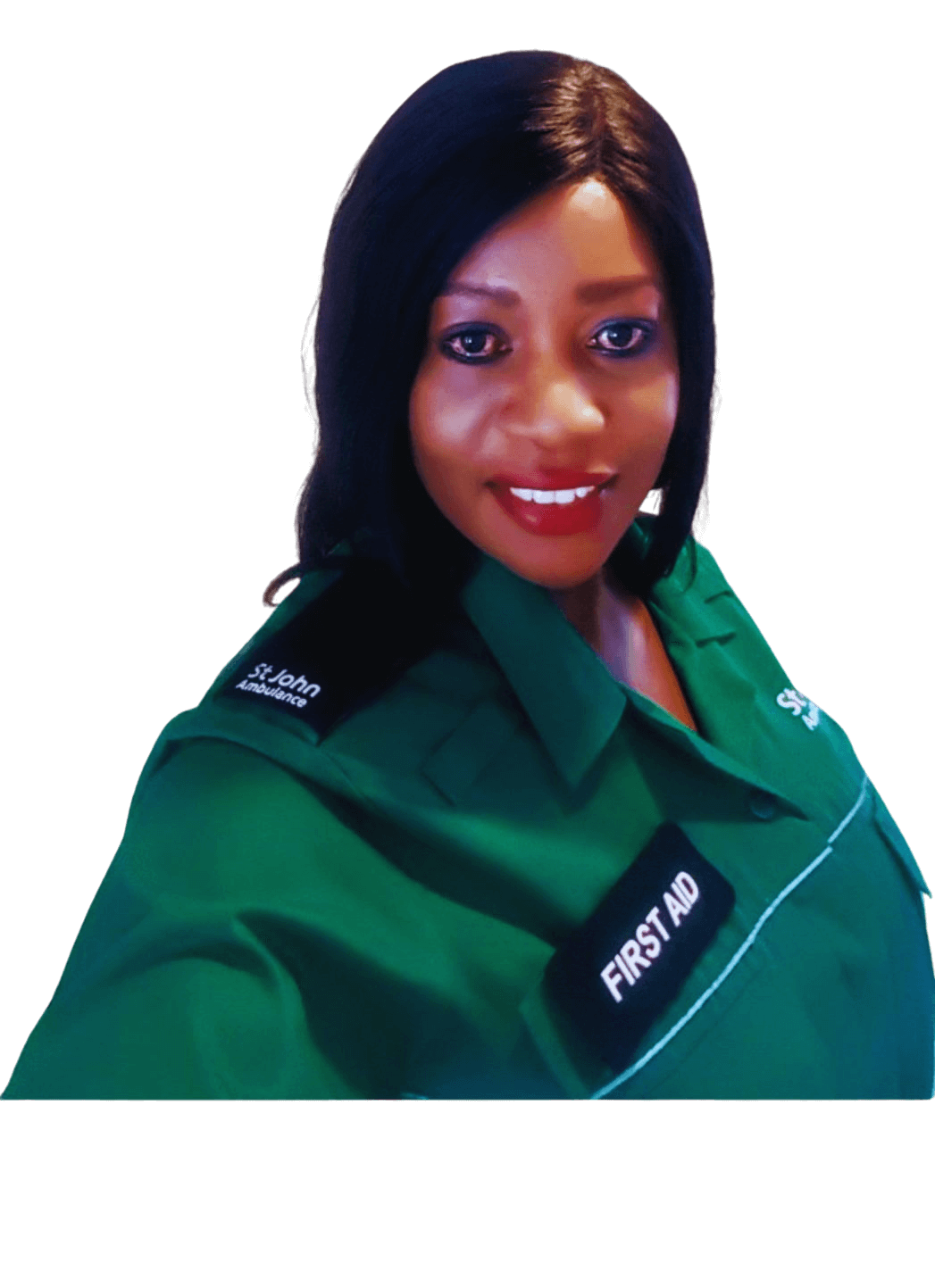
This article takes the reader on a journey of a doctoral student, from applications, interviews, and building a relationship with supervisors, to coming full circle by mentoring other students starting out and facing challenges. The writer shares their advice and their own personal experience of each stage, including their fulfilling mentoring work promoting awareness of mental wellbeing among PhD students.

Inger ‘The Thesis Whisperer’ Mewburn is something of a superhero to PhD students around the world, dedicated to improving doctoral experiences and post-PhD employability. In this interview, our Editor-in-Chief Charlotte Marino is delighted to share Inger’s wisdom on everything from careers advice to the moral panic around AI – all the while advocating for a kinder, more inclusive academia.


In this motivational article, the author reflects on his mental health journey of realising teaching wasn’t his dream job after all and starting over in an academia-adjacent career. The article highlights the value of clear boundaries between work and home, of prioritising mental health in academia and beyond, and of being brave enough to choose another road when you reach a dead end.

Rejection stings. You put months into a paper, edit it until you can’t stand to look at it anymore, hit submit, and then a few

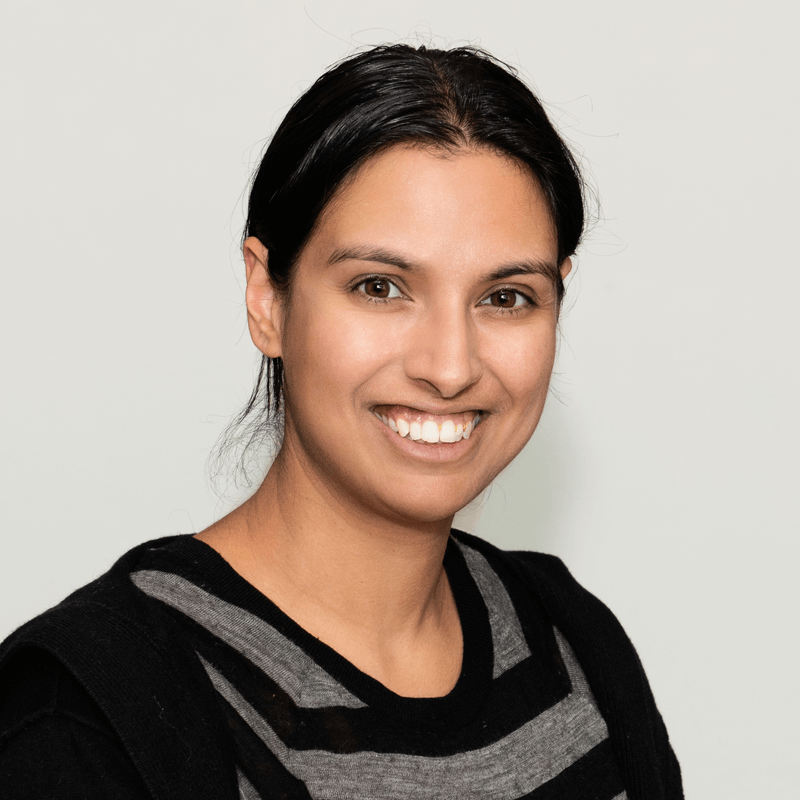
Join Dr. Jen Harrison on a compelling voyage as she delves into the world of defending a dissertation/thesis. Discover effective strategies for preparation, presentation techniques, and managing those nerve-wracking moments. Gain valuable insights from the personal perspective of a professional coach.