
Are you considering going straight from an undergraduate degree to a PhD, skipping the master’s? At 22 years old, Tess shares her experience of this and provides some valuable insights about how she prepared and applied for her PhD in Computing without doing a master’s degree.

This article provides a step-by-step guide for people interested in pursuing a PhD, particularly in the sciences (though much of the advice carries over to other disciplines as well). It emphasizes the importance of identifying personal interests and goals, fully researching different programs, and knowing the key differences between doing a PhD in different countries.

In this motivational article, the author reflects on their journey to securing a PhD in their home country of Nigeria after rejections abroad. They have come to see this redirection as a blessing in disguise. The article emphasises the importance of persistence and making the most of opportunities available to you, wherever that may be.

Read D. Gabriel Cruz’s inspiring story of how he pursued a doctoral degree. Cruz’s faith in God, his perseverance, and dedication helped him attain a higher academic level, and he hopes his story will motivate and encourage others to pursue their goals.

Regardless of your PhD stage, you can help your future self by getting interview-ready now. This article goes through five interview questions based on your research that are commonly asked at academic job interviews, with advice on what you can do now during your time as a PhD student to be more prepared in the future!
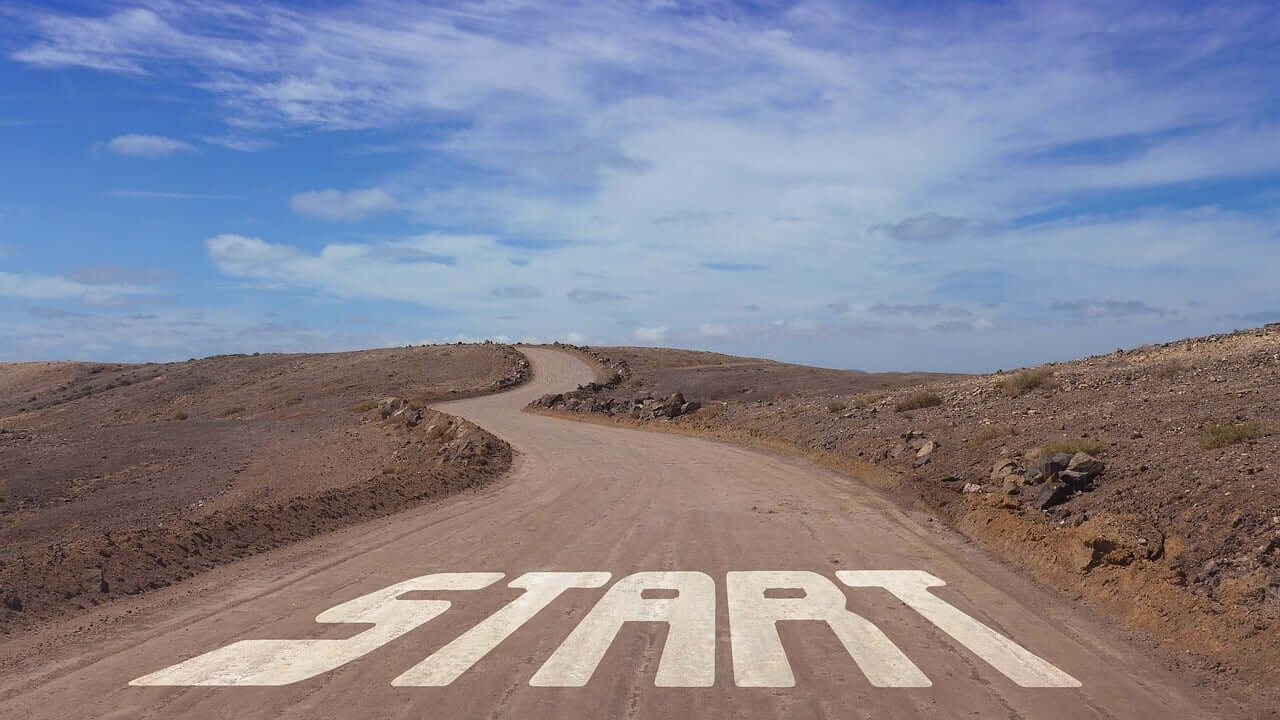

In this motivational article, the author reflects on his mental health journey of realising teaching wasn’t his dream job after all and starting over in an academia-adjacent career. The article highlights the value of clear boundaries between work and home, of prioritising mental health in academia and beyond, and of being brave enough to choose another road when you reach a dead end.

Dr Due-Gundersen outlines how to publish your thesis as a peer-reviewed book.

Get insights into preparing for the transfer viva, an important step in your research journey, from someone who has gone through it. Learn how to focus on your contributions to knowledge, practice your presentation without overdoing it, and trust that you know your research better than anyone else.