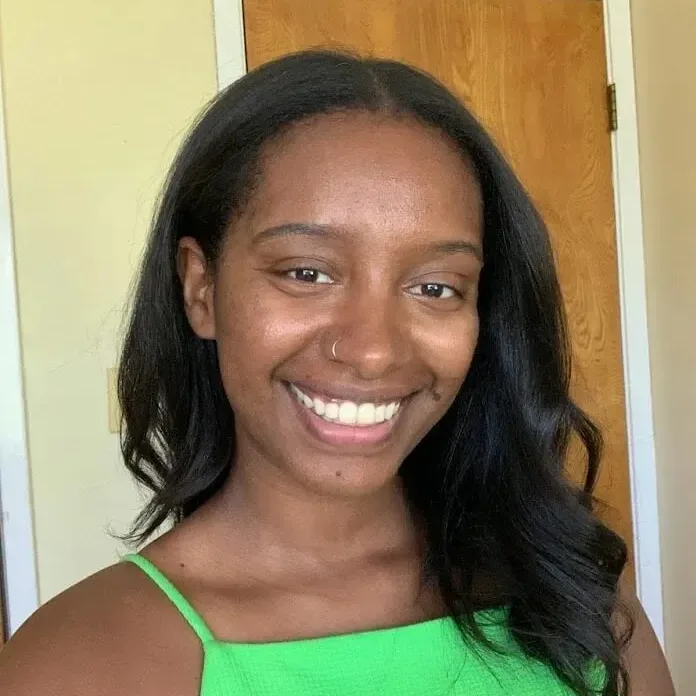

Are you considering going straight from an undergraduate degree to a PhD, skipping the master’s? At 22 years old, Tess shares her experience of this and provides some valuable insights about how she prepared and applied for her PhD in Computing without doing a master’s degree.

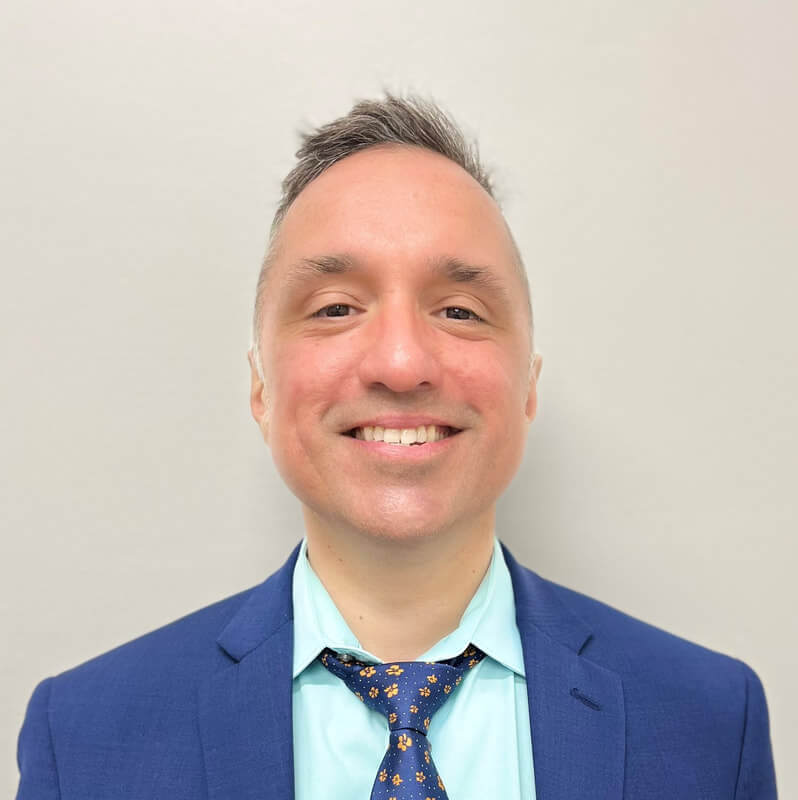
Read D. Gabriel Cruz’s inspiring story of how he pursued a doctoral degree. Cruz’s faith in God, his perseverance, and dedication helped him attain a higher academic level, and he hopes his story will motivate and encourage others to pursue their goals.
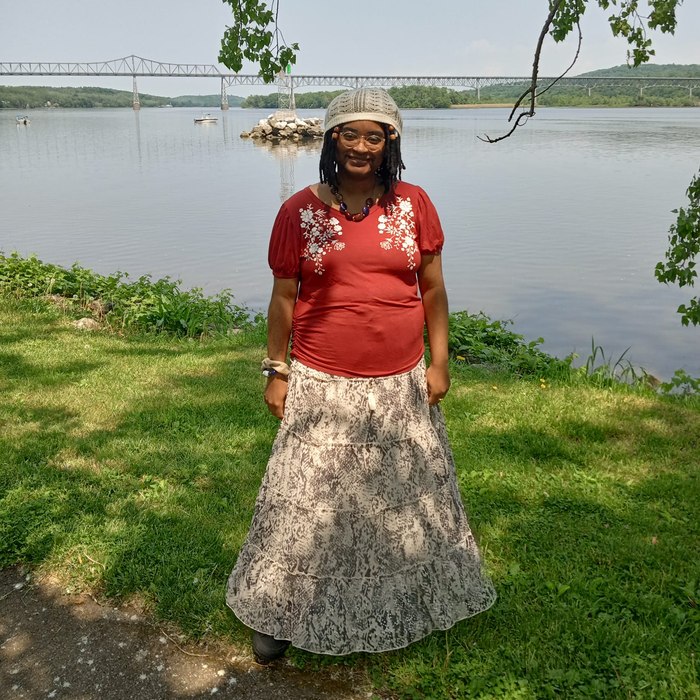
Applying to PhD programs can be confusing, and there is little advice about how to go about applying for them. This article offers three top tips for navigating the PhD application process and making yourself a strong applicant.
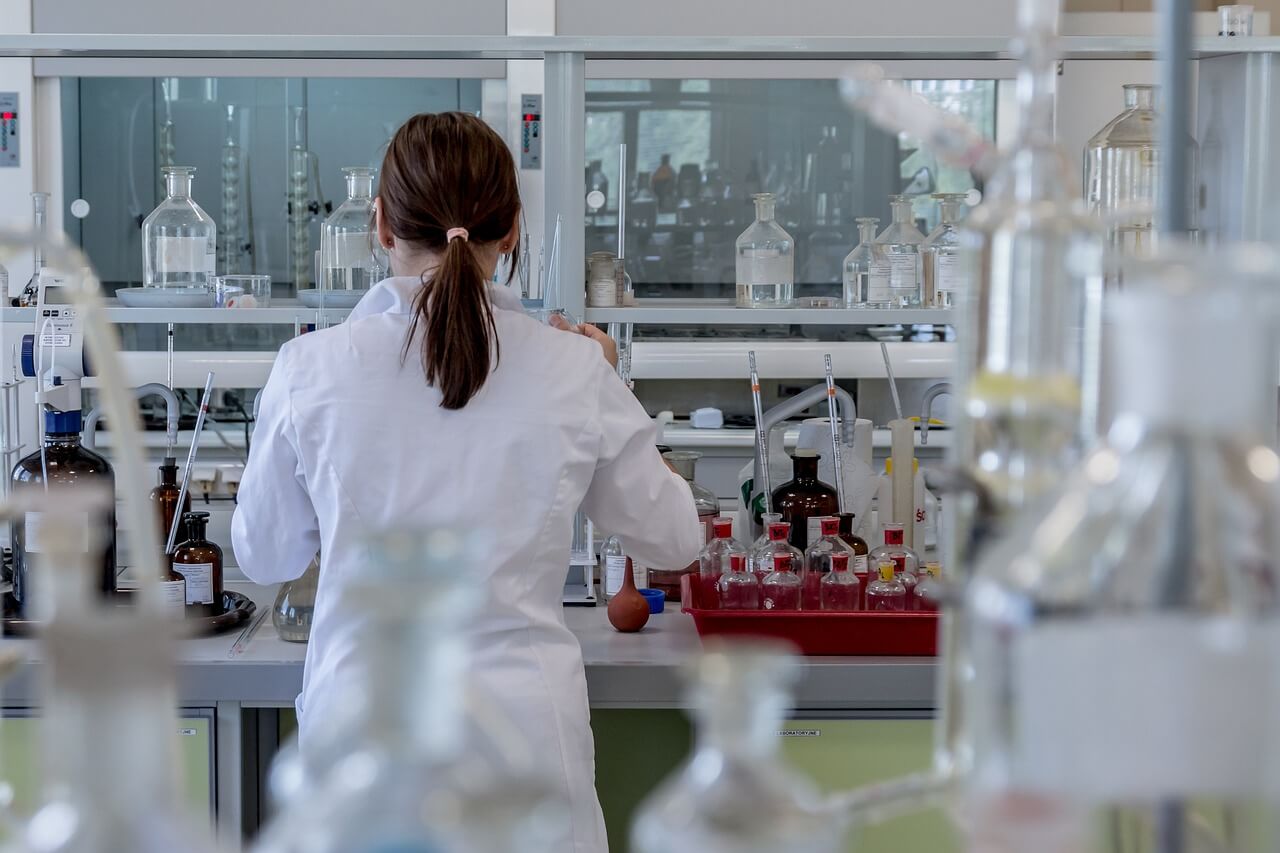
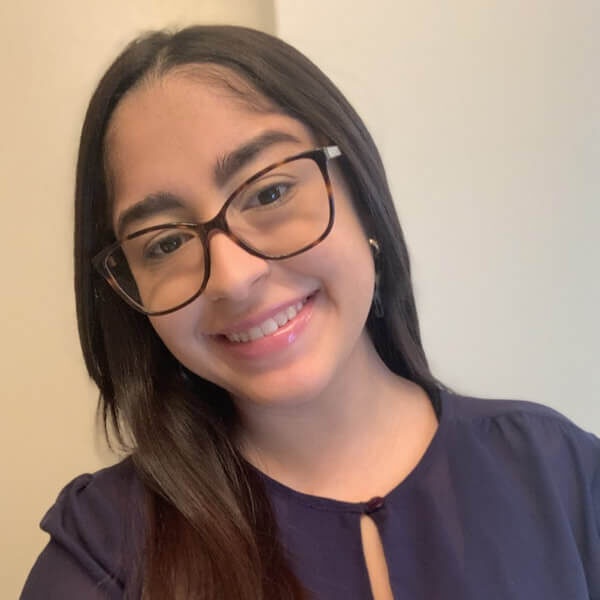
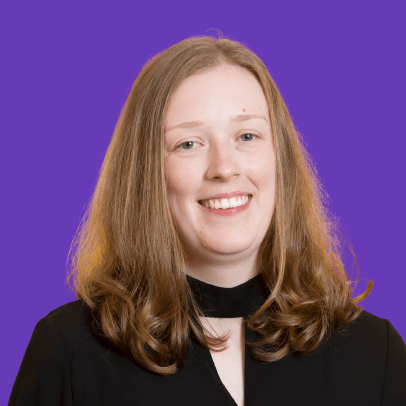
Discover Nayanna Mercado-Soto’s non-traditional path to pursuing a PhD in Biomedical Sciences by participating in a Postbaccalaureate Research Education Program (PREP). Read about how this program helped her gain research experience, improve her communication skills, and prepare for the grad school application cycle.

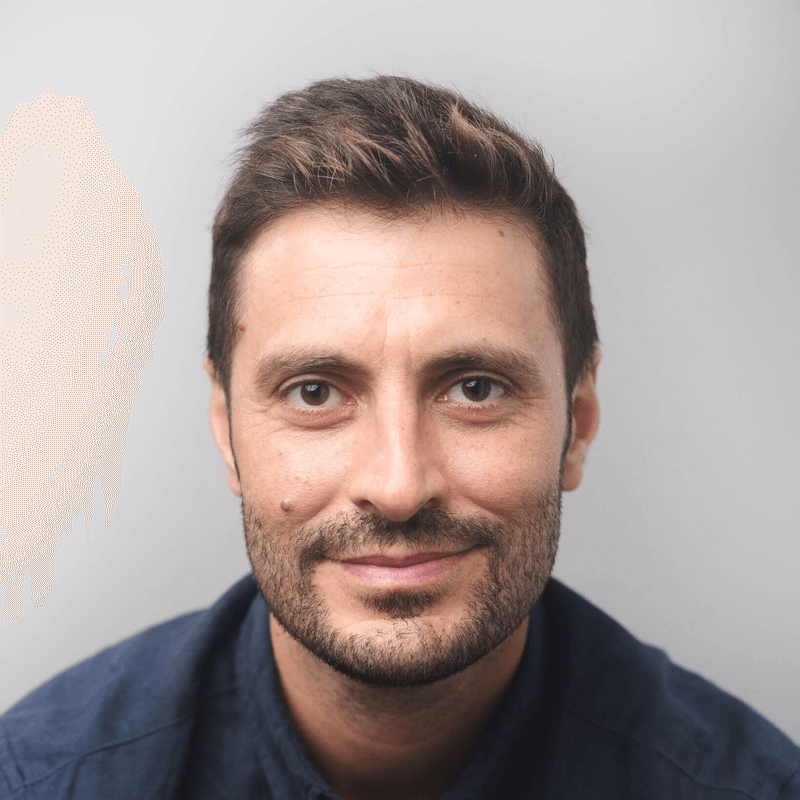
Mentorship is key to success in non-academic careers. Matteo Tardelli shares how you can seek guidance from industry experts and alumni outside of academia. With dedication and persistence, anyone can find the right mentor to thrive in their chosen field.

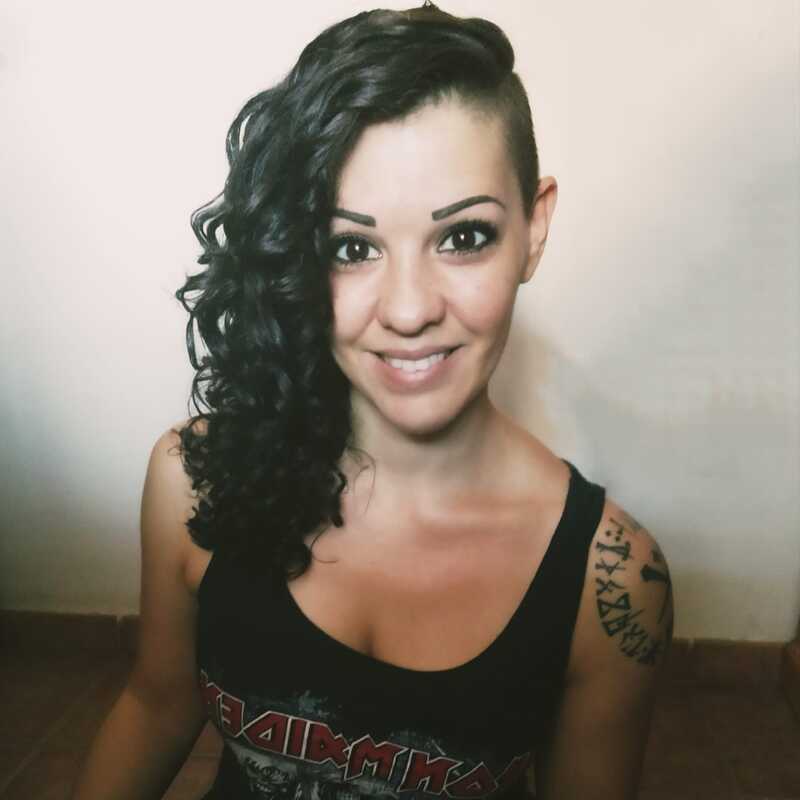
From the importance of taking breaks, finding a supportive group, to valuing yourself and networking, these tips will help you get through the rough times and make the most of your PhD experience.

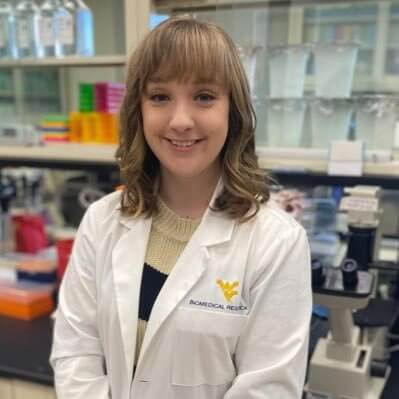
Navigating the unexpected departure of her advisor, Claire shares her tips on dealing with the challenges of this uncertainty during her PhD.

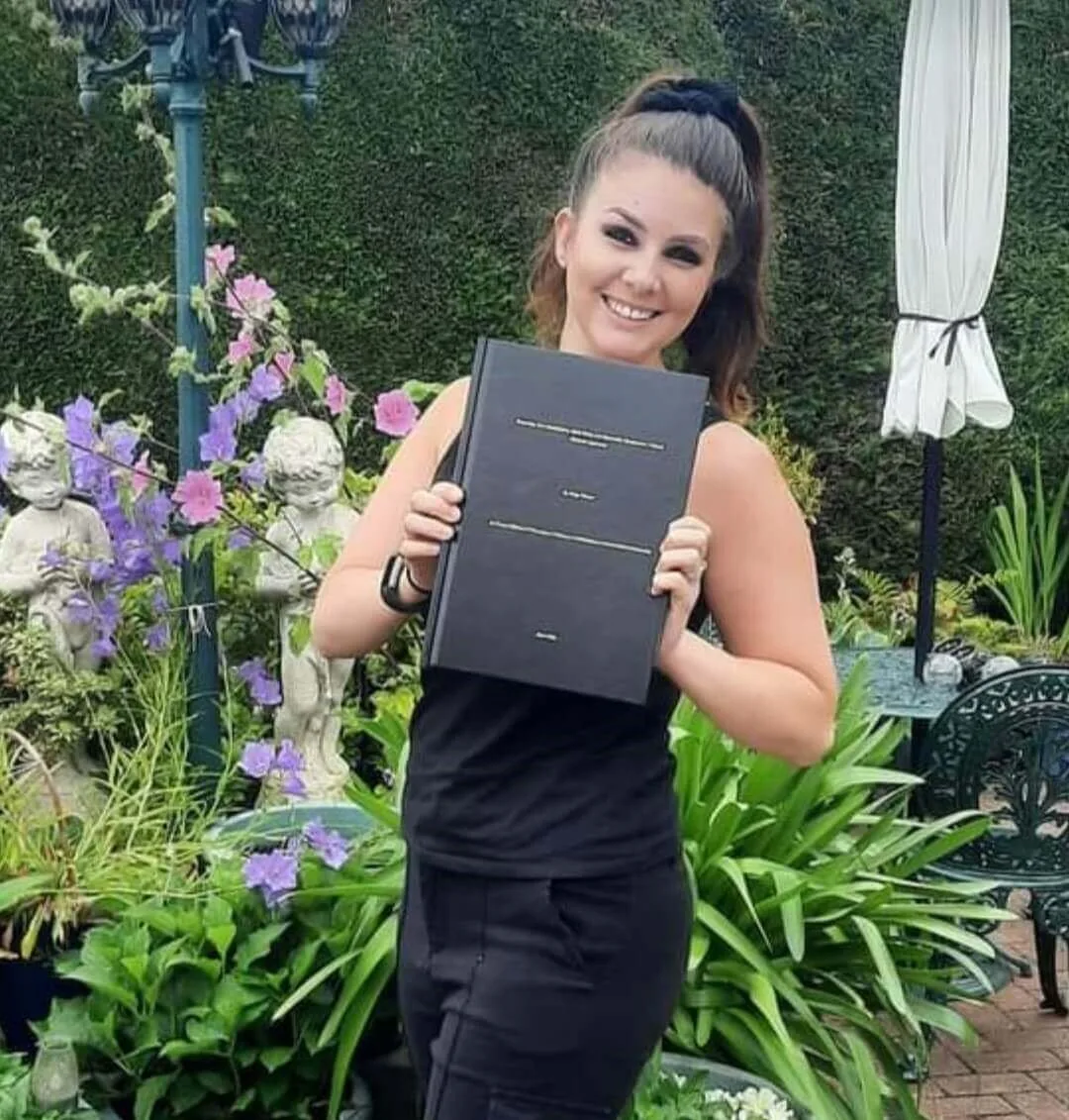
Are you thinking about using mixed methods (both quantitative and qualitative data) in your PhD? This article guides you through different ways of doing mixed methods PhD research, from proposal writing to collecting and analysing data. It emphasises the importance of rigor in mixed methods research and how to achieve this.