



Navigating motherhood and academia can be overwhelming, especially when they happen simultaneously. I discuss my experiences, struggles, and successes as an emerging researcher and new mother, and suggestions for universities to further support these populations moving forward.
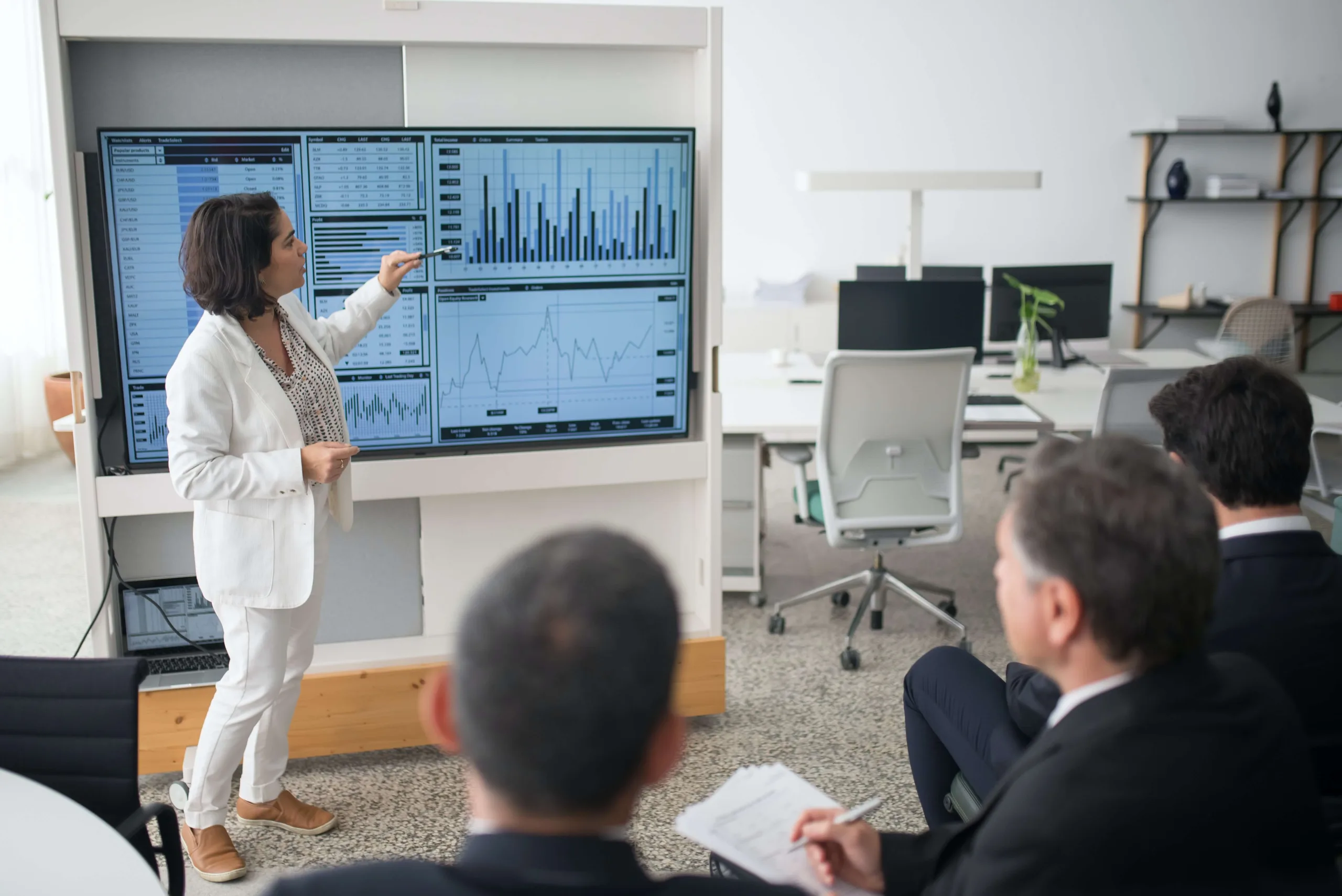

In this article, Badryah shares her personal journey of overcoming fear, stress and perfectionism around public speaking, by seeking support, enrolling in a skills course, and shifting her mindset.


A PhD alone can’t give you all the skills and networks you will need to be competitive in the job market. This article guides you through four important benefits of real-world experience during your PhD, and how you can go about gaining this.

A Master’s degree and a PhD are both postgraduate qualifications, but they serve different functions within academia. The distinction affects expectations around study, research, independence,


Anxiety is a debilitating condition that can make the simplest of tasks difficult, let alone a PhD. This empowering article follows Jake’s experience with anxiety during sixth form and university, and how once he discovered research he began to view anxiety as a superpower to keep his PhD pushing forwards. He shares anxiety-reducing techniques for when it gets too much, including affirmations and breath control, and emphasises the value of accepting anxiety in your life.
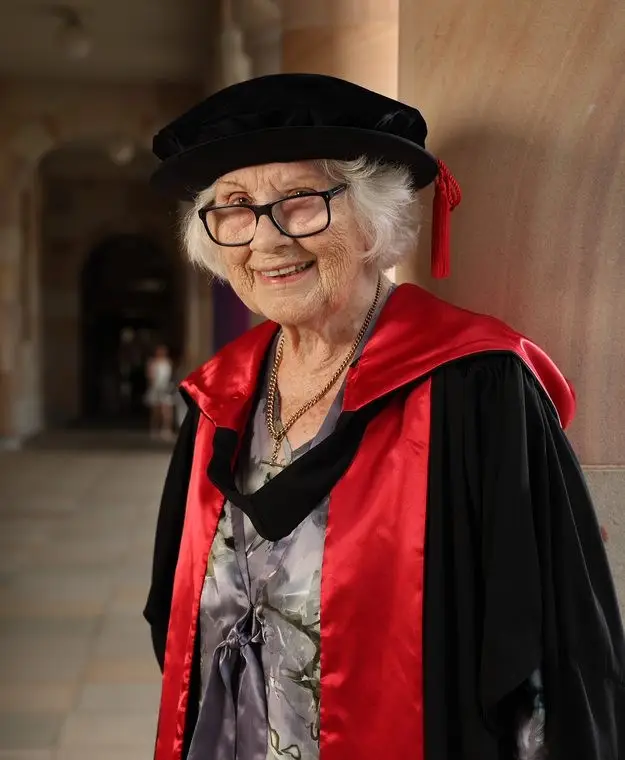

At ninety years old, Dr Bronwyn Herbert has completed her PhD at the University of Queensland, Australia. The PhD Place had the pleasure of interviewing her across the globe to share her inspiring story with our readers! Drawing on her extensive career in social work and her wealth of life experience, Bronwyn promotes the joy of lifelong learning and showcases the power of resilience that every PhD student can seek to emulate.