
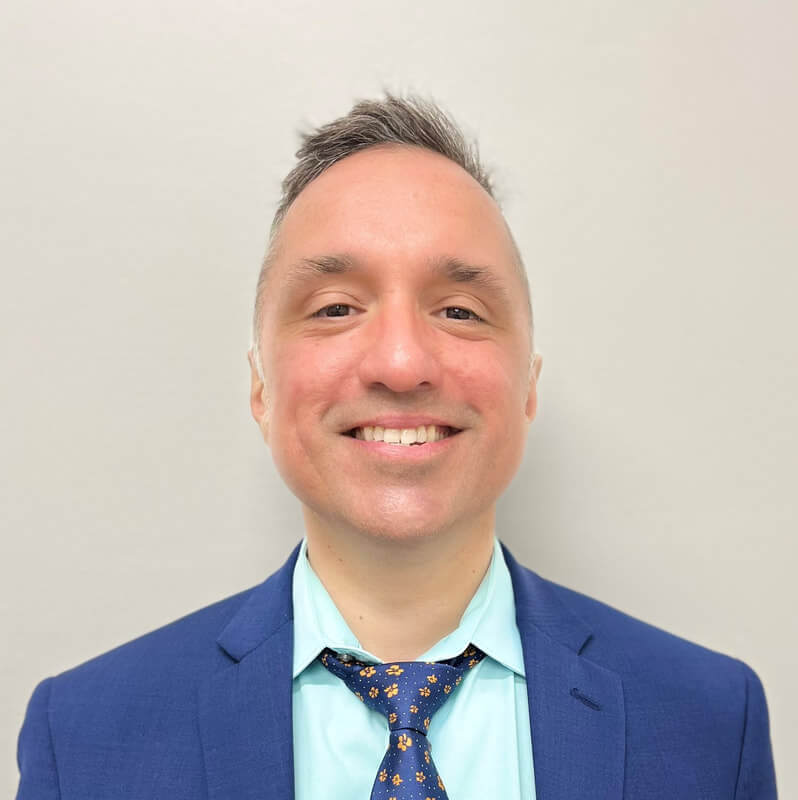
Read D. Gabriel Cruz’s inspiring story of how he pursued a doctoral degree. Cruz’s faith in God, his perseverance, and dedication helped him attain a higher academic level, and he hopes his story will motivate and encourage others to pursue their goals.

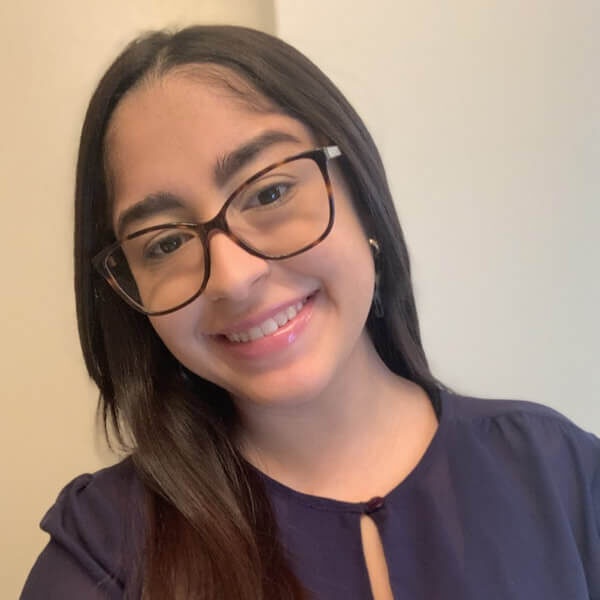
Discover Nayanna Mercado-Soto’s non-traditional path to pursuing a PhD in Biomedical Sciences by participating in a Postbaccalaureate Research Education Program (PREP). Read about how this program helped her gain research experience, improve her communication skills, and prepare for the grad school application cycle.

This article highlights the issue of unclear and unpredictable application processes for postdoctoral opportunities in the UK and beyond. Drawing on philosophical concepts like hauntology, it calls for universities to honour (or refrain from setting!) their ‘outcome announcement’ dates, as this would alleviate disappointment and foster greater fairness and transparency in postdoctoral applications.

Get insights from a PhD candidate’s reflective diary on the process of starting, struggling with, and ultimately completing a doctoral research project. Discover the trials and tribulations of getting ethical approval, recruiting participants, and navigating the pandemic while working towards a degree.
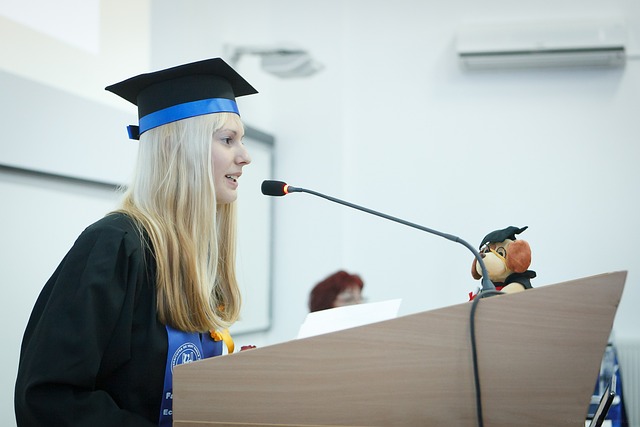
The idea of attending and presenting at academic conferences can seem incredibly intimidating for PhD students. Drawing on his wide range of experiences at conferences around the world, this PhD candidate provides advice and tips on applying, preparing, attending, and presenting at an academic conference. Remember to enjoy your brief time in the spotlight, and remember your presentation is really only a small element of the event!

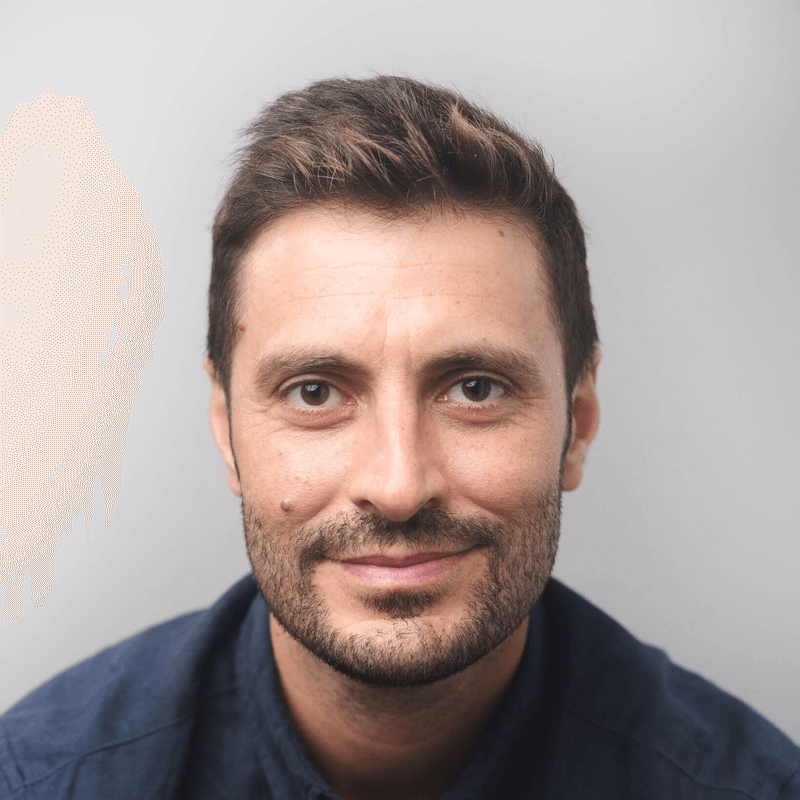
Mentorship is key to success in non-academic careers. Matteo Tardelli shares how you can seek guidance from industry experts and alumni outside of academia. With dedication and persistence, anyone can find the right mentor to thrive in their chosen field.

Publishing feels impossible sometimes. You’ve already got research, teaching, maybe conferences, and then you’re told you need to publish too. The problem is that nobody
Most academic papers are rejected because of unclear writing, not weak research. These five editing techniques help you see your draft clearly, sharpen your argument, and submit with confidence.