


In this article, Kristin Hynes describes her experience of comprehensive exams (required by some US universities.) With 5 tips, Kristin shares how other students can be successful in this part of the admissions process.
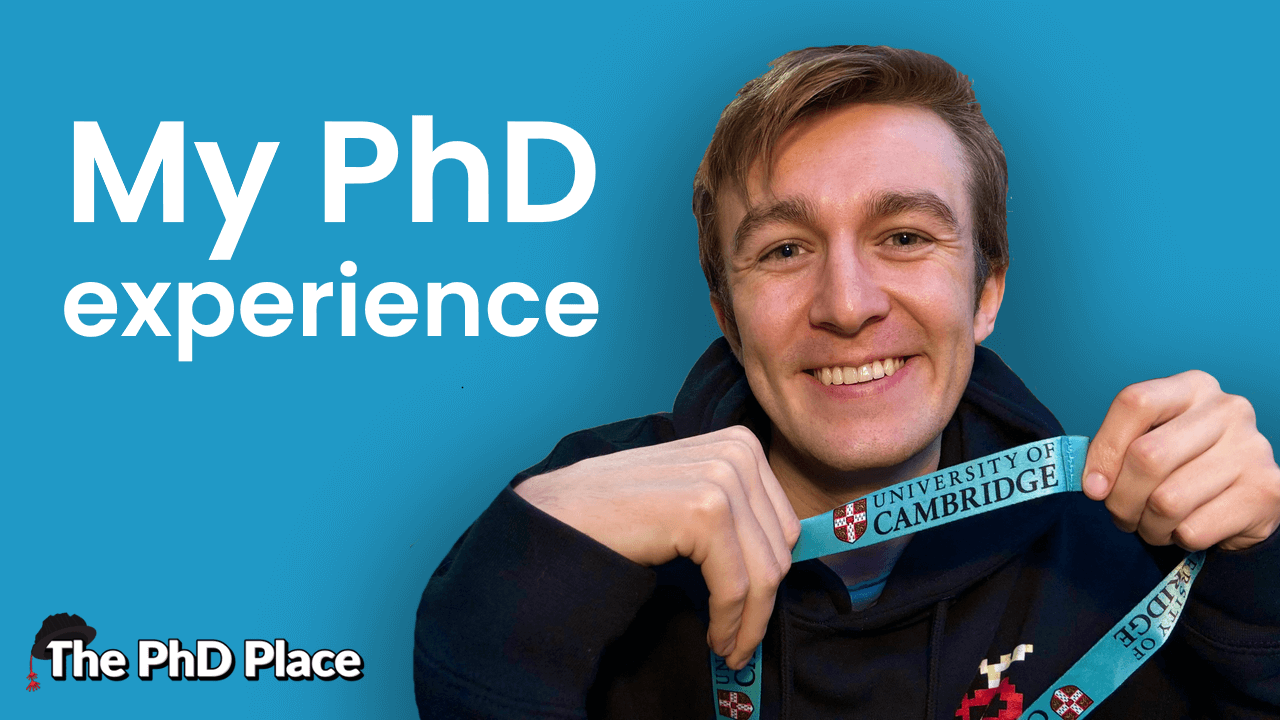

Meet Cameron, a PhD student from Cambridge University. In this video, he shares his experiences and offers valuable tips to help you make the most of your own academic journey. Join him as he provides insights and guidance for navigating the challenges of pursuing a PhD.
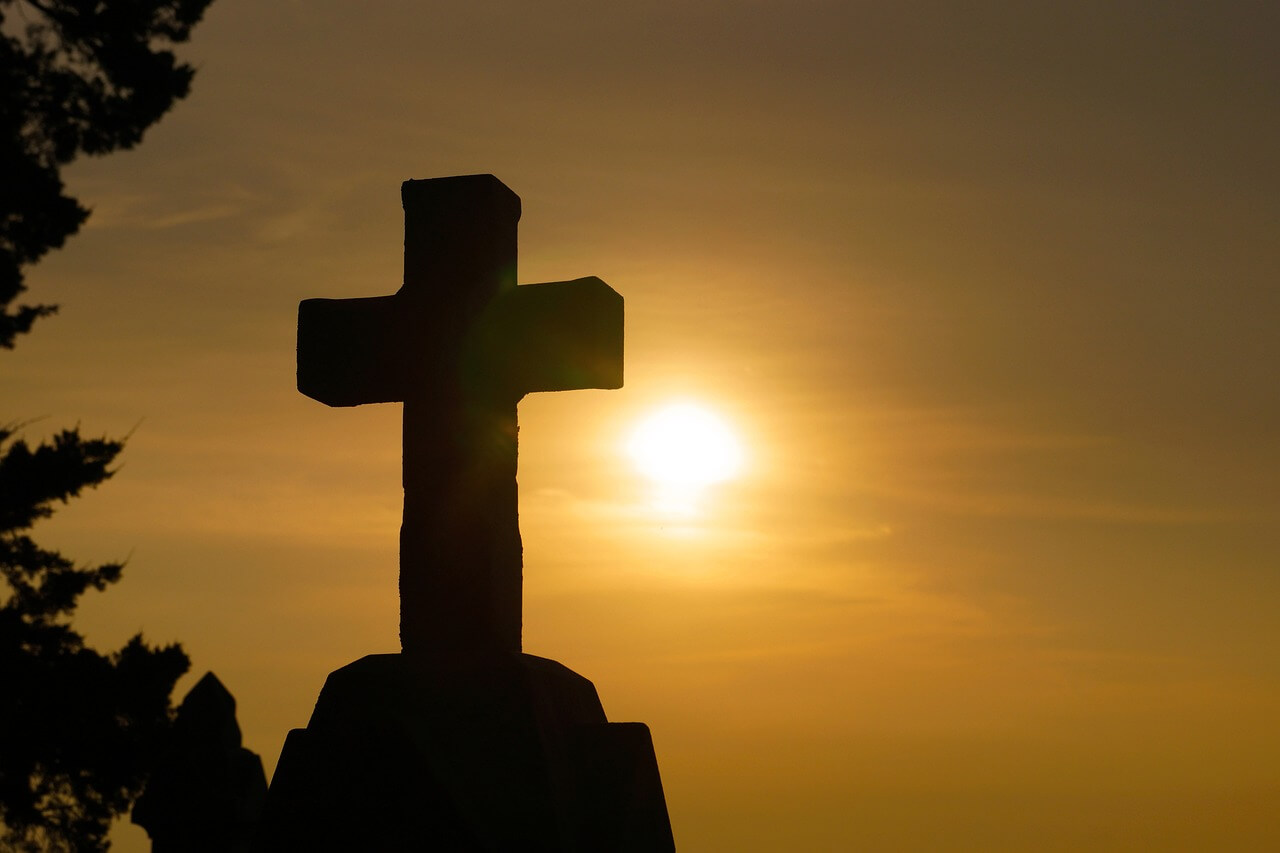

Read D. Gabriel Cruz’s inspiring story of how he pursued a doctoral degree. Cruz’s faith in God, his perseverance, and dedication helped him attain a higher academic level, and he hopes his story will motivate and encourage others to pursue their goals.
In this article, Kristin Hynes describes her experience of comprehensive exams (required by some US universities.) With 5 tips, Kristin shares how other students can be successful in this part of the admissions process.


The stress and all-consuming nature of pursuing an academic career is often detailed in social media posts and anecdotal tales. Whilst it is useful for PhD students to understand the perils of careers in academia, this article provides further context for some of the issues surrounding progression in the academic profession. It runs through five factors that impact on how all-consuming academic careers can be, ultimately advising you to progress in academia at your own pace.

‘Side projects’ are valuable additional endeavours alongside your PhD that can build your skillset, relevant connections and future employability – both in and outside of academia. This article discusses some common side project ideas for PhD students, and highlights some of the short-term sacrifices required to complete them.

Get insights into preparing for the transfer viva, an important step in your research journey, from someone who has gone through it. Learn how to focus on your contributions to knowledge, practice your presentation without overdoing it, and trust that you know your research better than anyone else.

The ethical implications of field research require careful consideration and reflexivity. Chukwudi Njoku offers some reflections of his PhD fieldwork on the pastoralists-farmers conflict in Benue and Taraba States, Nigeria.