
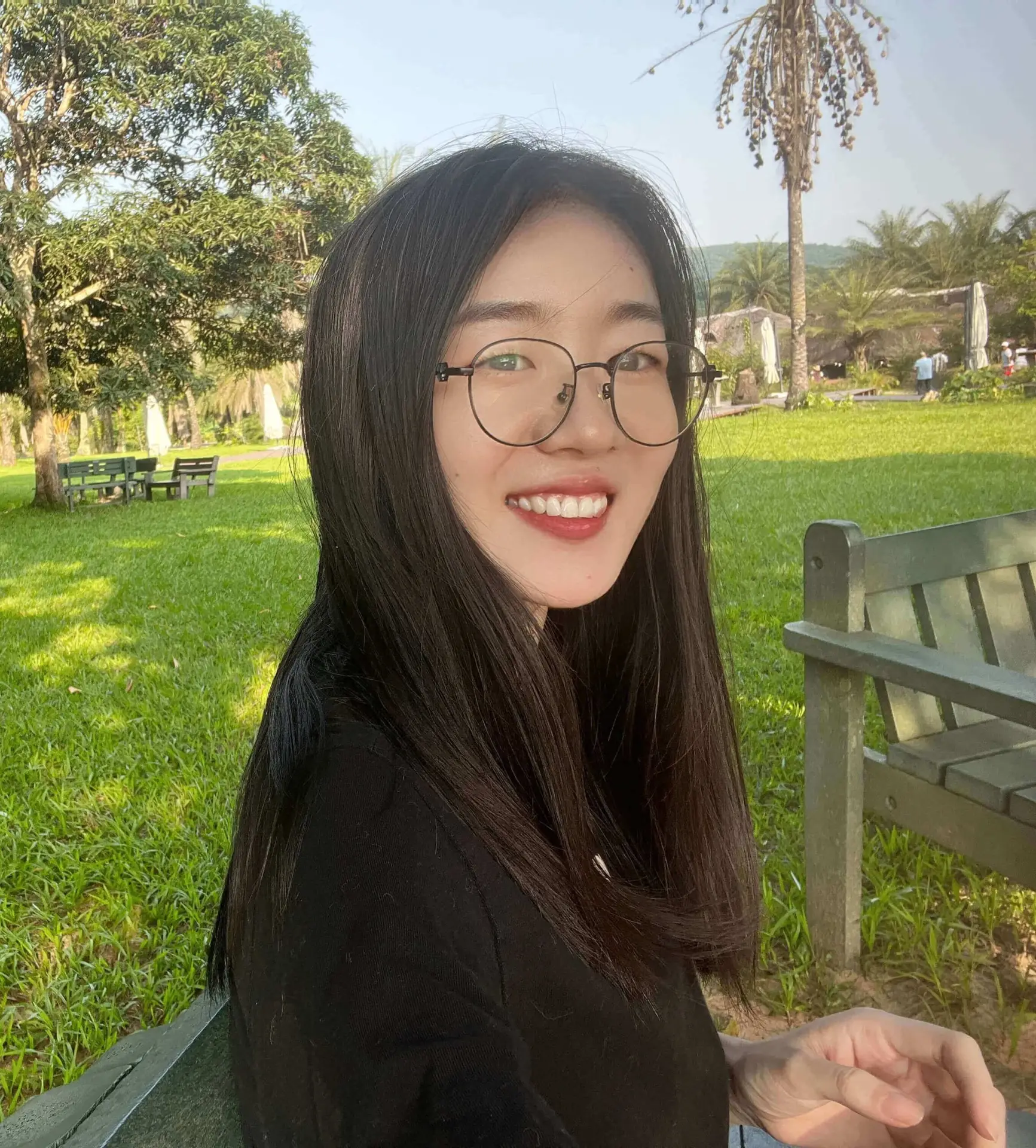
Are you studying for a PhD abroad? Are you worried about integrating meaningfully into your PhD life in a different country? In this article, Dai Wenqi explores how to socialise and adapt to a new culture during your PhD abroad, providing advice from her lived experiences to help you enjoy your doctoral life to the fullest. This includes respecting and engaging with the culture of your host country, learning the language (but forgo the pressure of perfect fluency), and leaning into your unique personal charm.

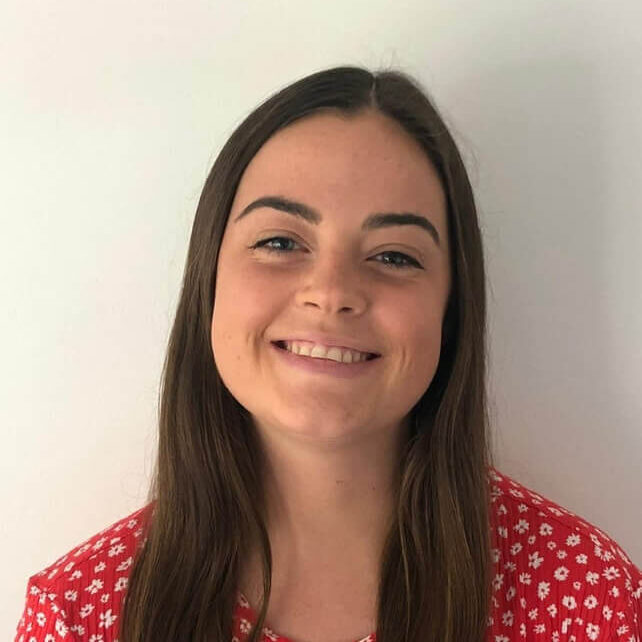
Hannah Ryan shares her valuable experiences and lessons learnt throughout her PhD journey. She emphasizes the importance of engaging in other activities besides research, combating loneliness, maintaining good relationships with supervisors, consistent writing and using rejections as learning experiences.

This article discusses the dark cloud of boredom that doctoral students may experience during the long PhD journey. It explores some possible causes of boredom, such as social media leading to comparison and disinterest in our own lives, and provides tips on how to handle it – aiming to inspire and encourage you to have a wonderful research journey ahead!

Structured as ten tips, this article forms an atypical guide to getting a PhD. It highlights a 10-year trek to a bachelor’s degree and a much-delayed 3.5-year sprint to a doctorate – all before age 50!


In this PhD Talk, Dr Richelle Clark shares important insights for her PhD journey, why it took 10 years to complete, and why it was worth it. This talk is offers encouragement for people at any stage of their PhD journey.