
This article takes the reader on a journey of a doctoral student, from applications, interviews, and building a relationship with supervisors, to coming full circle by mentoring other students starting out and facing challenges. The writer shares their advice and their own personal experience of each stage, including their fulfilling mentoring work promoting awareness of mental wellbeing among PhD students.

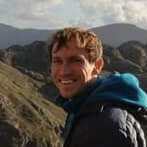
A former history MA graduate, Jim Hulbert, recounts how he went from traveling to working, and returning to academia. After some years of working, he decided to pursue a PhD, a journey that was jumpstarted during the COVID-19 pandemic when he was furloughed from work.
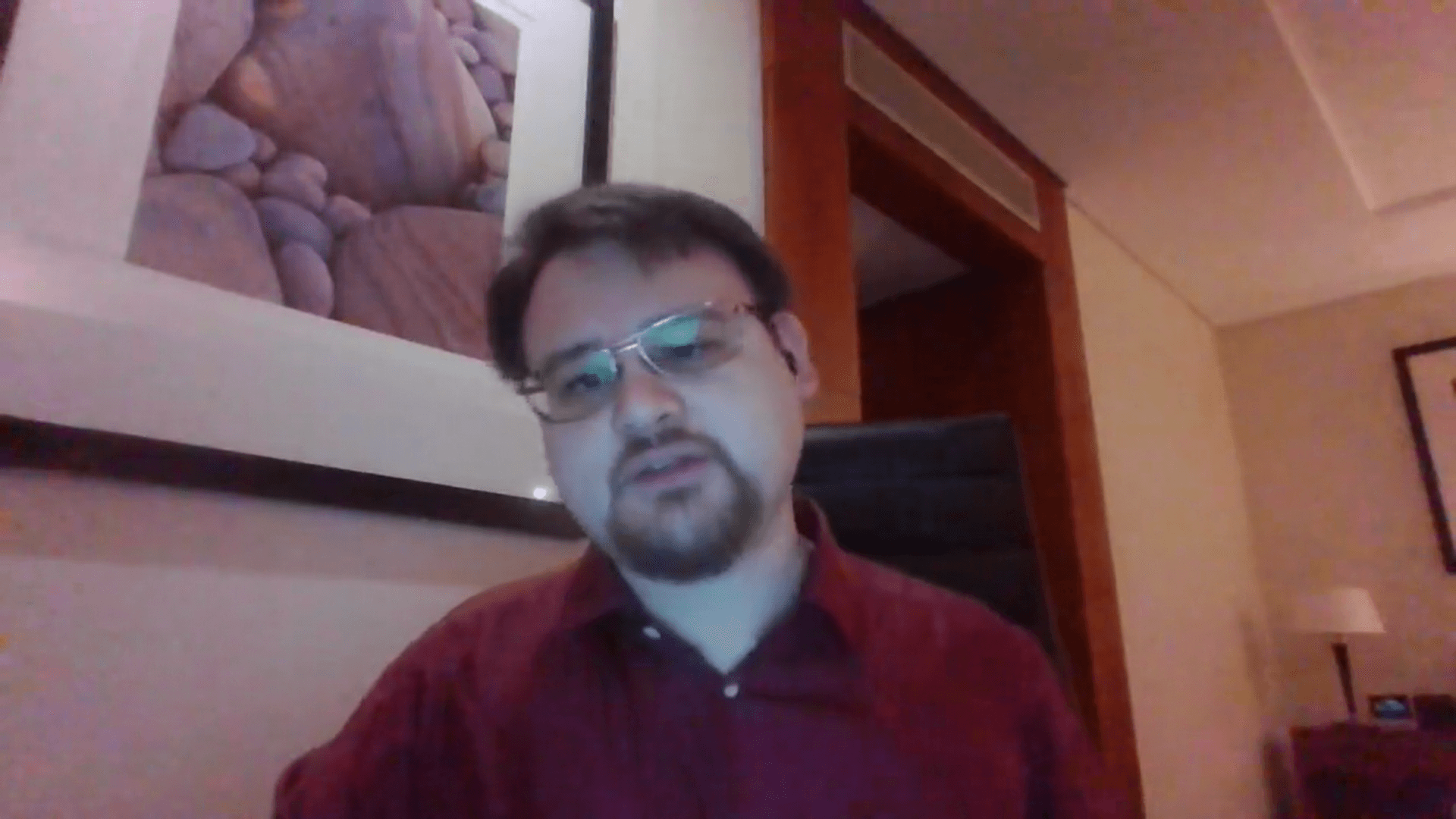

In this video, Dr Nicolai Due-Gunderson explores the advantages and disadvantages of basing your PhD on your Master’s topic. Whether you’re considering continuing your studies or are already on the path to pursuing a PhD, this video offers valuable insights to help you make an informed decision about your research direction.

This article provides a step-by-step guide for people interested in pursuing a PhD, particularly in the sciences (though much of the advice carries over to other disciplines as well). It emphasizes the importance of identifying personal interests and goals, fully researching different programs, and knowing the key differences between doing a PhD in different countries.

Ever spent years in a degree you were not happy with? This PhD student has, and she advocates for being brave enough to choose personal fulfilment over societal expectations and conventional timelines. In this article, she shares her breakthrough in changing academic direction to a path that better aligns with her passions, and offers empowering words to others who may be in a similar situation.


Want to learn the dos and don’ts of effective networking at academic conferences? This article outlines five steps to maximise your networking potential, complete with template messages to send to your desired connections before and after the event. The article emphasises the importance of manners, personal space, and picking your moments accordingly.

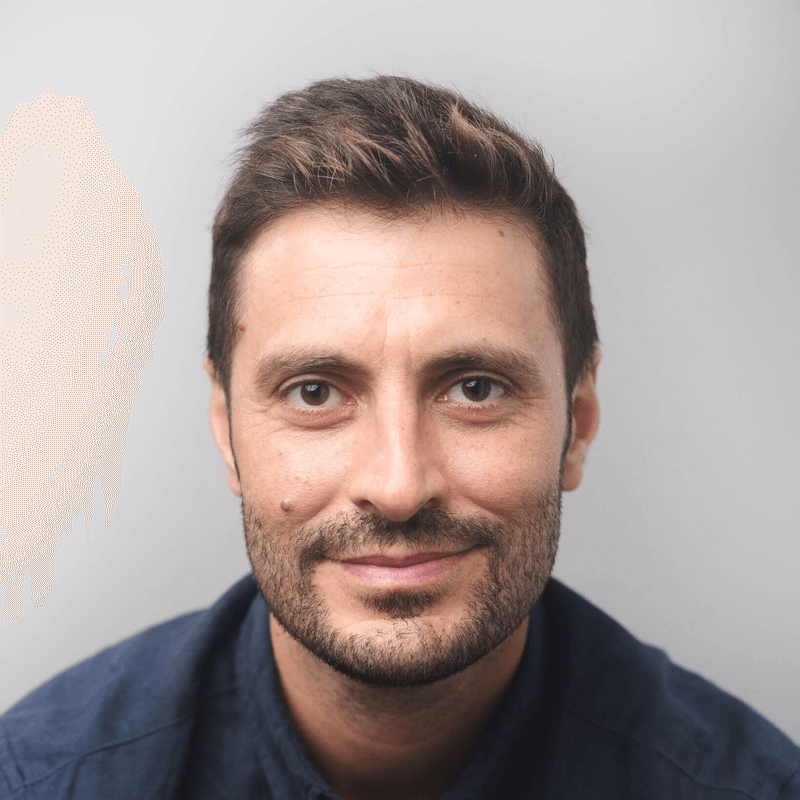
Mentorship is key to success in non-academic careers. Matteo Tardelli shares how you can seek guidance from industry experts and alumni outside of academia. With dedication and persistence, anyone can find the right mentor to thrive in their chosen field.
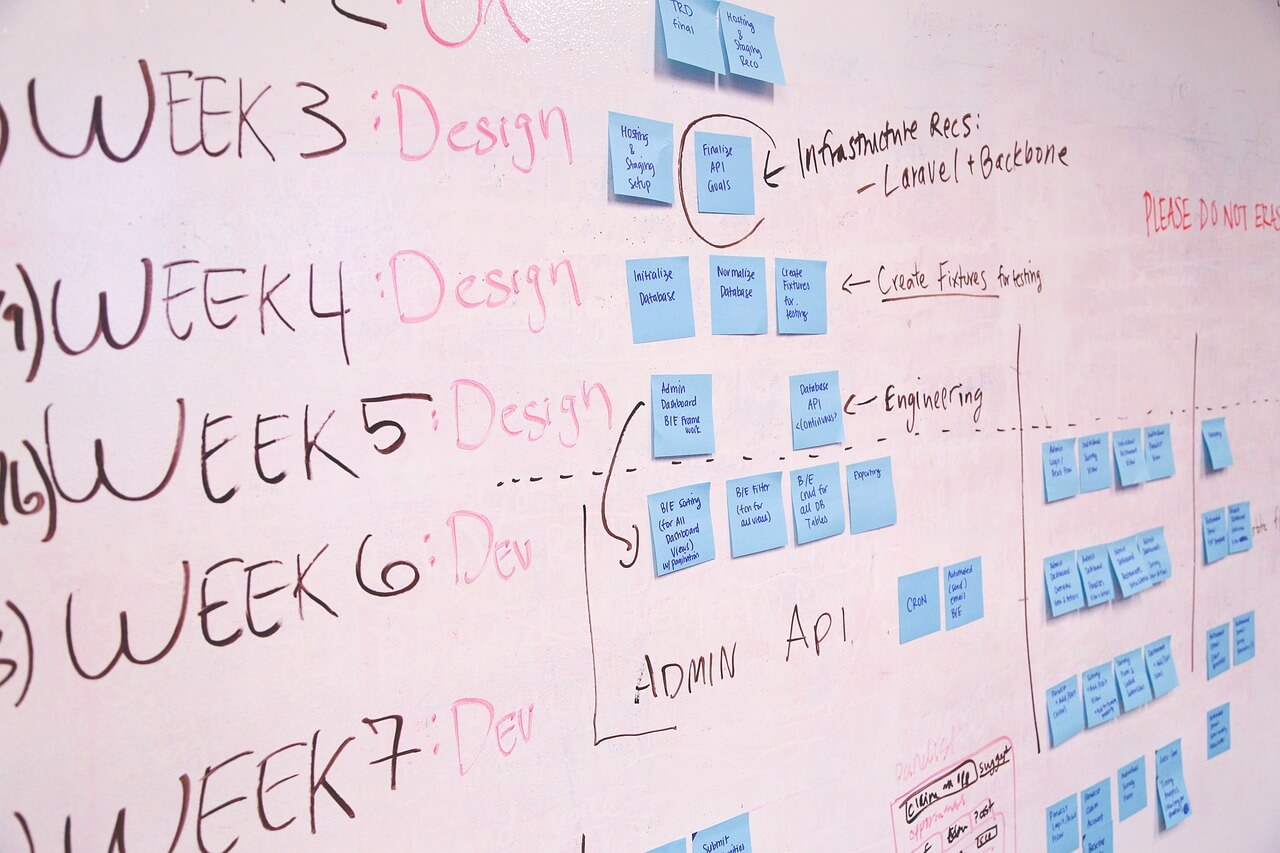
In this article, Jennie Riley shares what she learned about publishing from her PhD experience. She provides tips on why she decided to publish solo-authored articles instead of turning her thesis into a book, the difference between submitting a chapter and an article, the importance of resilience, and reframing feedback.