

This article explores the challenges, doubts and pressures faced during the pursuit of a PhD. It takes a close look at how PhD candidates are chosen, highlighting the need for looking into the scientific character of the candidate and their way of thinking rather than just focusing on academic achievements alone. The narrative also highlights coping strategies, advocating for resilience and self-reflection. Ultimately, it offers motivation to others, encouraging them to persevere in their pursuit of knowledge and passion in the face of adversity.


Ready to take the next step in your academic career with a PhD? Don’t miss out on these top tips for acing your PhD interview, from finding the right project to researching your supervisors and preparing for presentations.

This article takes the reader on a journey of a doctoral student, from applications, interviews, and building a relationship with supervisors, to coming full circle by mentoring other students starting out and facing challenges. The writer shares their advice and their own personal experience of each stage, including their fulfilling mentoring work promoting awareness of mental wellbeing among PhD students.


Get insights from a PhD candidate’s reflective diary on the process of starting, struggling with, and ultimately completing a doctoral research project. Discover the trials and tribulations of getting ethical approval, recruiting participants, and navigating the pandemic while working towards a degree.


In this motivational article, the author reflects on his mental health journey of realising teaching wasn’t his dream job after all and starting over in an academia-adjacent career. The article highlights the value of clear boundaries between work and home, of prioritising mental health in academia and beyond, and of being brave enough to choose another road when you reach a dead end.

Inger ‘The Thesis Whisperer’ Mewburn is something of a superhero to PhD students around the world, dedicated to improving doctoral experiences and post-PhD employability. In this interview, our Editor-in-Chief Charlotte Marino is delighted to share Inger’s wisdom on everything from careers advice to the moral panic around AI – all the while advocating for a kinder, more inclusive academia.

Learn how to get university funding for online courses. Real examples + a letter template to request support for your training.

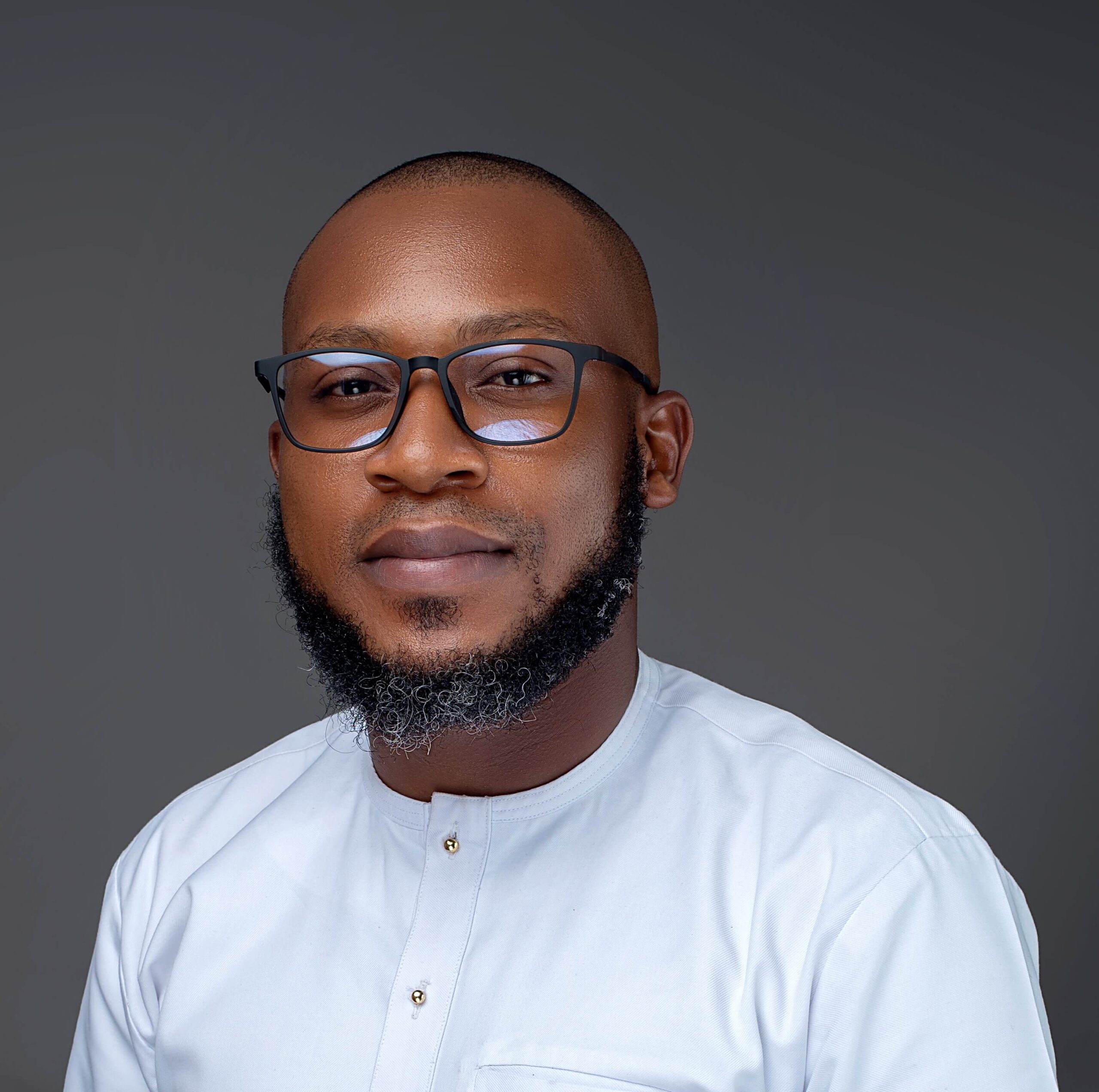
The ethical implications of field research require careful consideration and reflexivity. Chukwudi Njoku offers some reflections of his PhD fieldwork on the pastoralists-farmers conflict in Benue and Taraba States, Nigeria.