
Applying to PhD programs can be confusing, and there is little advice about how to go about applying for them. This article offers three top tips for navigating the PhD application process and making yourself a strong applicant.

What if there was an alternative to reading when your eyes need a rest, or while waiting for coffee, or sitting in traffic? SciSpace’s innovative podcast tool transforms your research paper backlog into bite-sized audio summaries. Turn idle moments into productive learning sessions by listening to key research insights while cooking, commuting, or exercising – helping you decide which papers deserve your full attention.


The barriers faced by first-generation students can be altogether challenging when navigating graduate school. In this article, a fellow first-generation student shares what it has been like being in a PhD program and offers pieces of encouragement and advice for getting through.

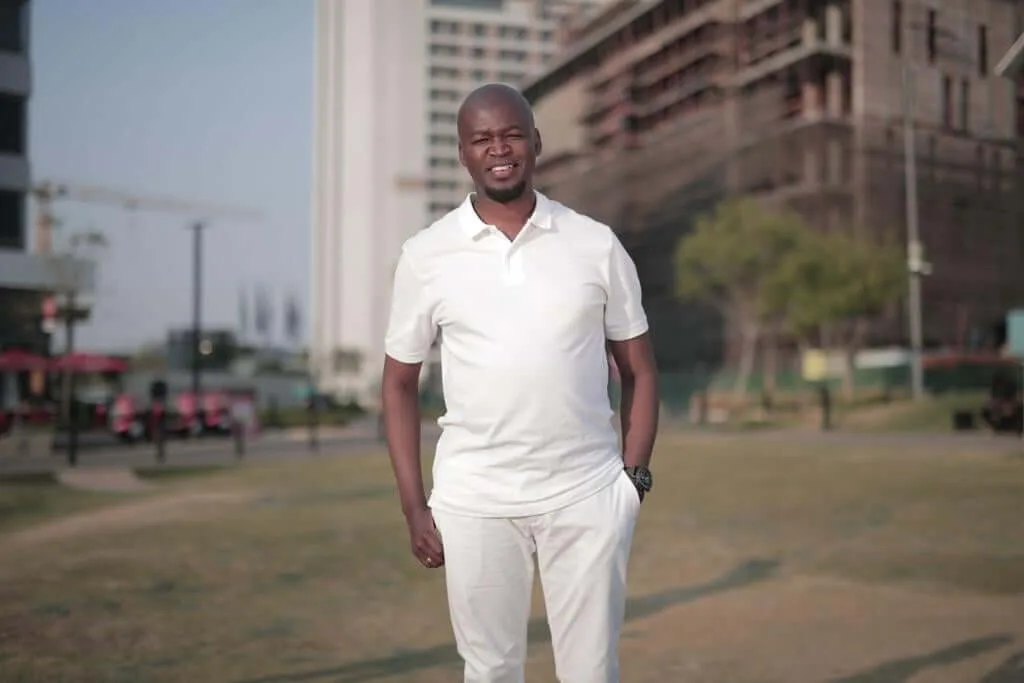
The PhD journey can make us lose hope, feeling trapped in the melancholy that often befriends the doctoral journey. But this empowering and uplifting article, written from a South African perspective, explores the idea of hope being an important friend to PhD candidates, helping us reach the finish line to graduation. Alongside the author’s personal journey with mental health, the article emphasises the importance of prioritising wellbeing, changing strategy when things aren’t working, and always remaining hopeful for the future.

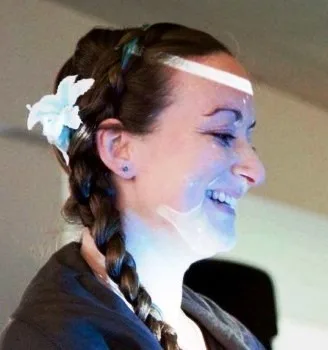
The article explores the question: “I Am Autistic: Do I Have an Advantage as a Researcher?” It delves into the unique challenges faced by autistic researchers while also considering the potential advantages they may possess in the right context.


Adapting to changes in research plans is an important skill for all researchers. Karl Miller writes about the challenges faced during the COVID-19 pandemic, including working from home, the inability to access equipment, and the need to redesign studies. However, online data collection provided new opportunities for learning and developing new skills.