
Not all doctoral degrees are earned in your 30s and 40s. While many pursue doctoral degrees during those years to attain professional gains and financial security, this article shows how enrolling in a PhD program in your 50s can bring a fresh lens due to entering a new season of life and finally having a window of opportunity to step outside your comfort zone.

This article discusses the dark cloud of boredom that doctoral students may experience during the long PhD journey. It explores some possible causes of boredom, such as social media leading to comparison and disinterest in our own lives, and provides tips on how to handle it – aiming to inspire and encourage you to have a wonderful research journey ahead!

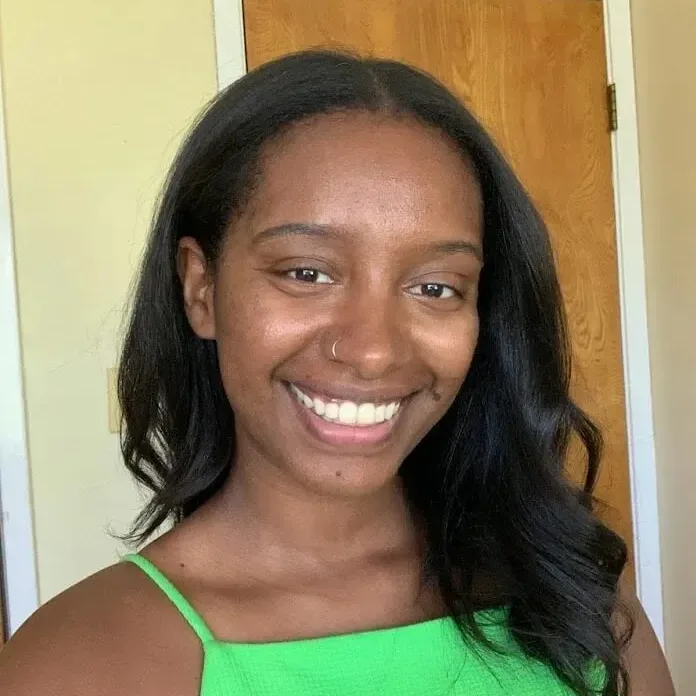
Time anxiety is an underestimated and significant mental challenge for many PhD students. It refers to the worry, tension, or stress regarding the passage of time. This article offers some advice to help handle time anxiety.

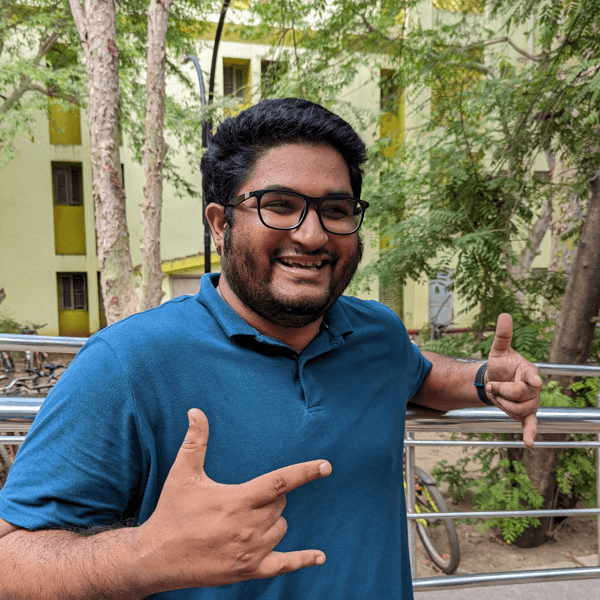
Pillalamarri Srikrishnarka shares 10 tips he wish he knew before starting his STEM-based PhD program at the Indian Institute of Technology, Madras. A final year scholar, Pillalamarri emphasizes networking and time management, he provides useful links to other resources.
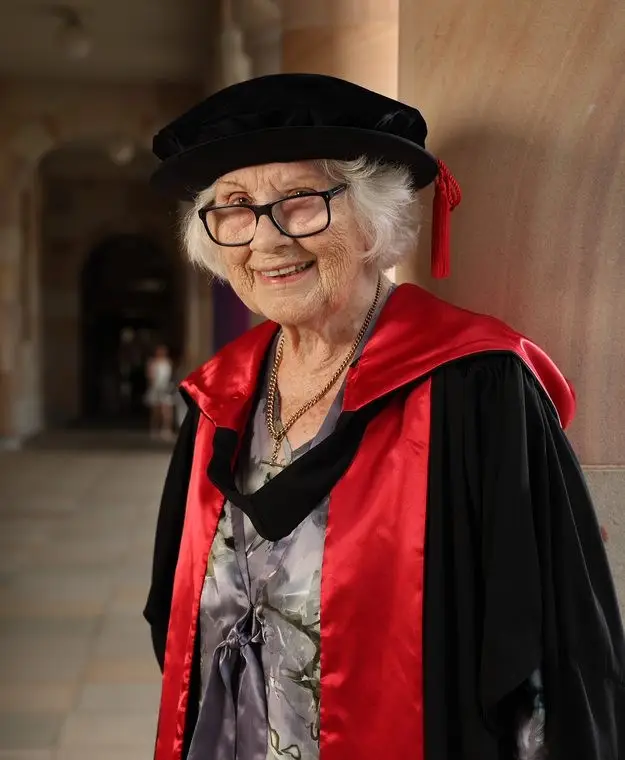

At ninety years old, Dr Bronwyn Herbert has completed her PhD at the University of Queensland, Australia. The PhD Place had the pleasure of interviewing her across the globe to share her inspiring story with our readers! Drawing on her extensive career in social work and her wealth of life experience, Bronwyn promotes the joy of lifelong learning and showcases the power of resilience that every PhD student can seek to emulate.

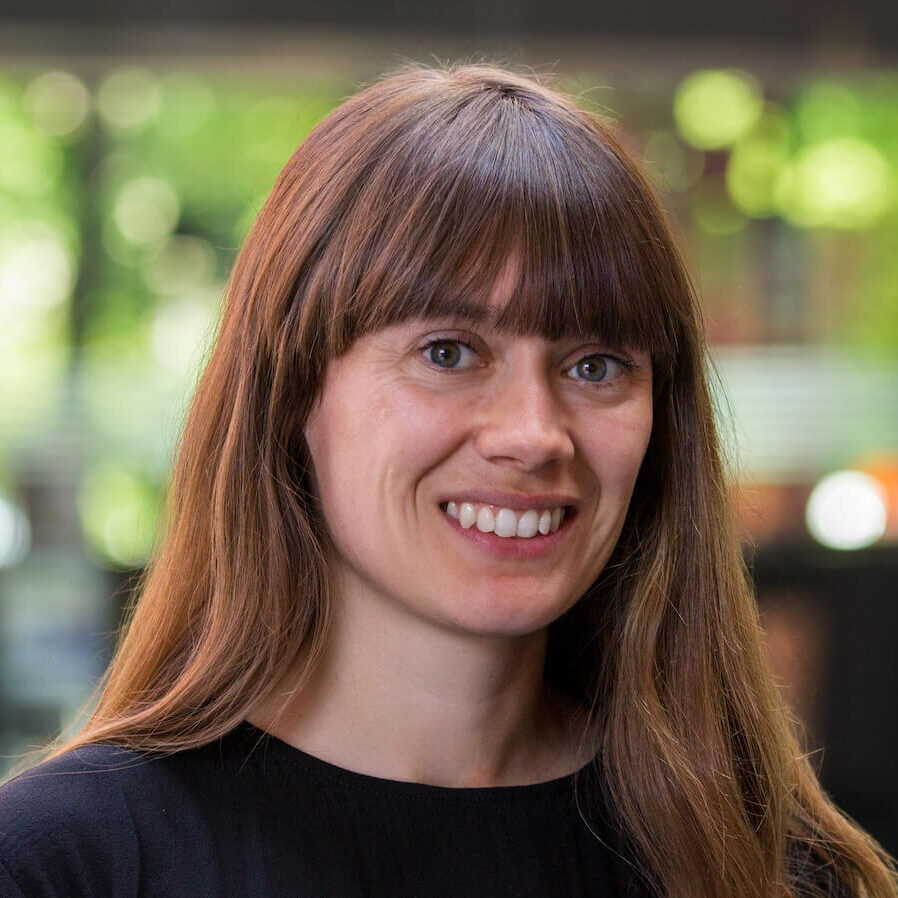
Read Andrea’s journey in forming a group of inspiring women who, after struggling in their PhDs, created a support group that changed their lives. Through celebrating successes and creating a safe space, they pick each other up and help each other achieve their goals.

Get insights from a PhD candidate’s reflective diary on the process of starting, struggling with, and ultimately completing a doctoral research project. Discover the trials and tribulations of getting ethical approval, recruiting participants, and navigating the pandemic while working towards a degree.


Learn how to increase your chances of getting a PhD scholarship by reading the tips and experiences shared by Chris Thompson. This article covers important areas such as personalizing your application, creating a positive social media presence, and more.