
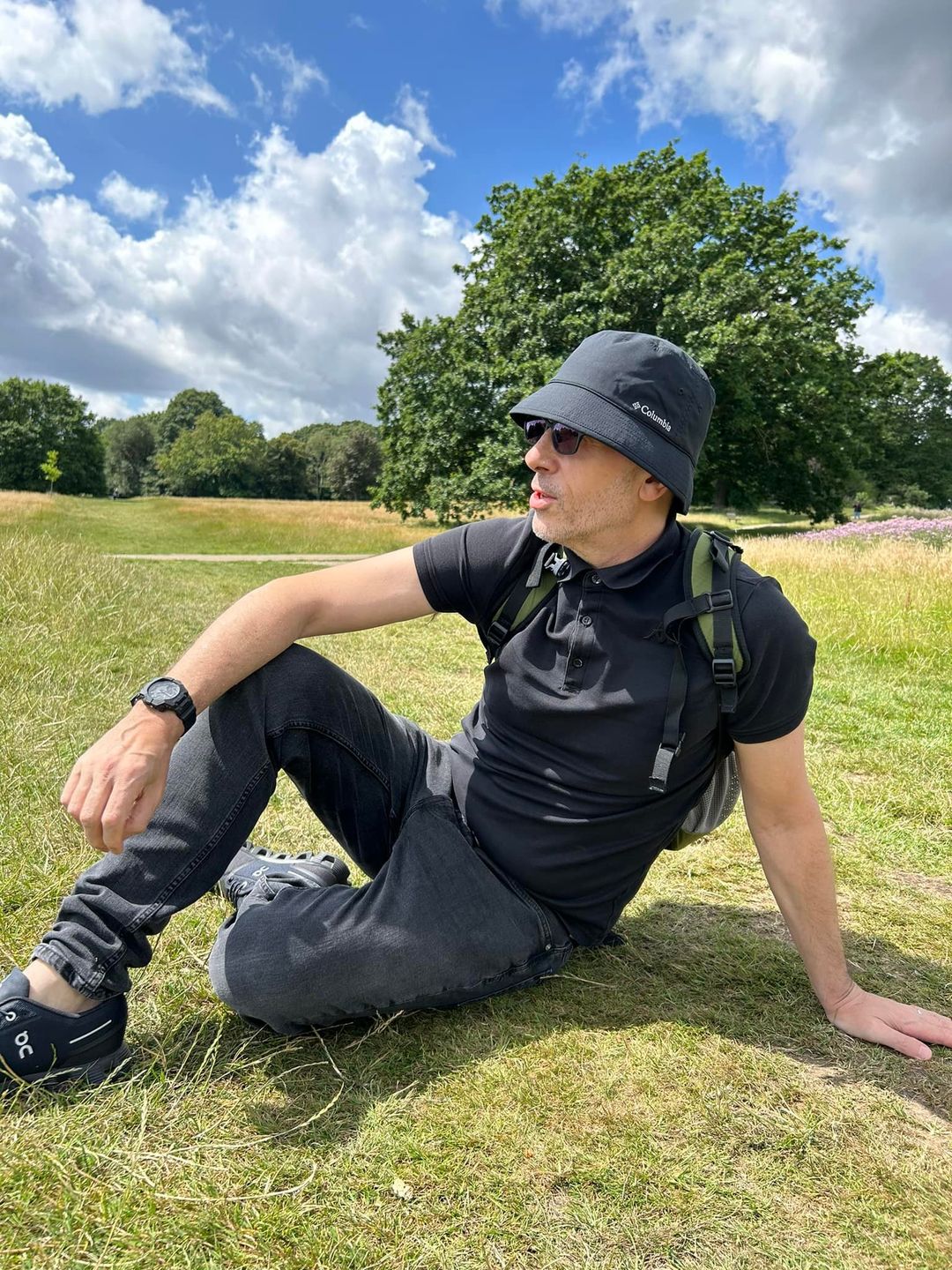


‘If a PhD is to be an ordeal – and indeed, it is – then let it be an ordeal wherein you find meaning in something that is true to yourself’. This article explores the feelings of imposter syndrome and the pressures to follow academic trends at the start of your PhD journey, disconnecting you from your true interests. A translation project helped the author realise the value of embracing his authentic self and focusing on what truly resonates with him. By shifting to linguistics and translation studies, the author found fulfilment and meaning in his research.


Feeling isolated while pursuing a PhD is common, but it’s important to build connections with others to feel supported and foster a sense of community. Participating in student-run groups and attending events can help graduate students make friends and even get to know professors in their department.


Not sure of your options after your PhD? Confused by the different academic job titles, and how they relate to PhD students? Check out these five academia-oriented job options you can consider.
This insightful article highlights how young Gen Z academics can make the most of their unique skills and attributes cultivated by their generational upbringing, and propel themselves towards achieving triumph in their PhD programme and beyond.

In this motivational article, the author reflects on their journey to securing a PhD in their home country of Nigeria after rejections abroad. They have come to see this redirection as a blessing in disguise. The article emphasises the importance of persistence and making the most of opportunities available to you, wherever that may be.
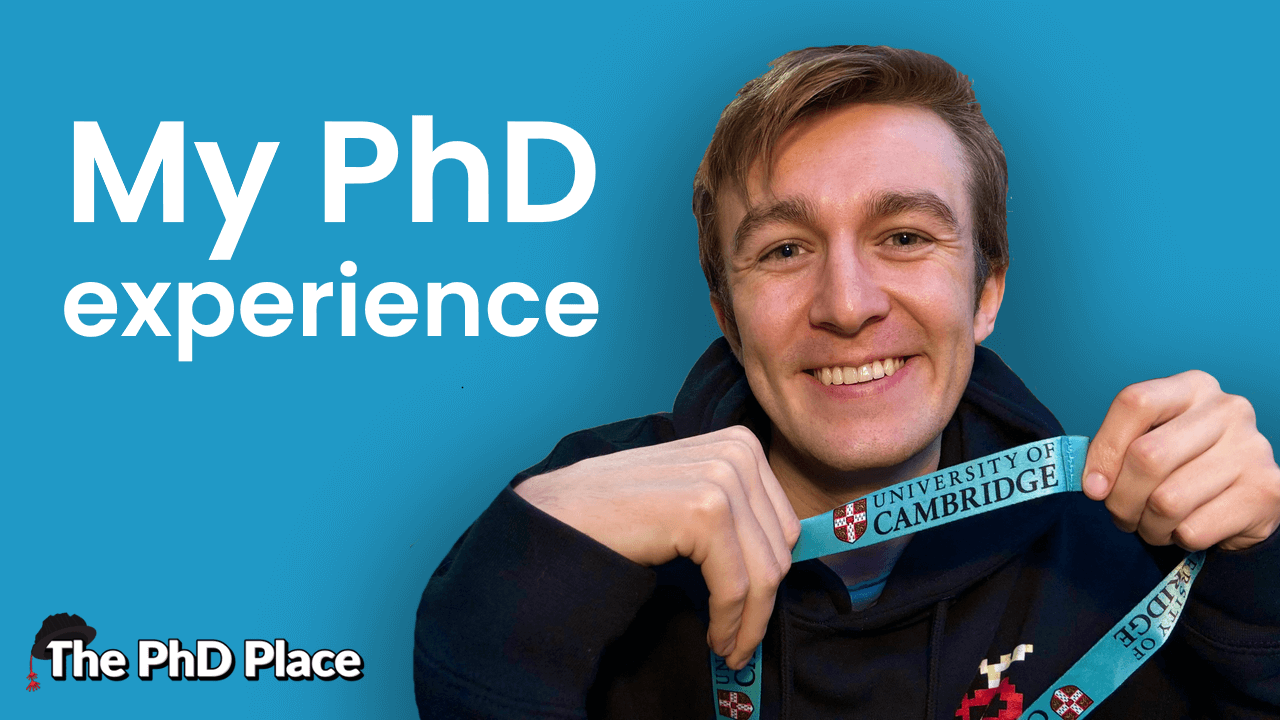

Meet Cameron, a PhD student from Cambridge University. In this video, he shares his experiences and offers valuable tips to help you make the most of your own academic journey. Join him as he provides insights and guidance for navigating the challenges of pursuing a PhD.


In this article, Bettina Lier shares her experience of applying for a PhD scholarship and how she initially found the application process overwhelming. With the support of her supervisor she overcame her doubts, and successfully completed the proposal. Her story is a great example of how with the right mindset and support, we can overcome any challenge.