

Dive into a world of insightful articles, captivating stories, and expert guidance from this institution’s researchers. Explore the latest findings, cutting-edge research, and engaging narratives that contribute to the ever-evolving realm of knowledge.
Featured Academic

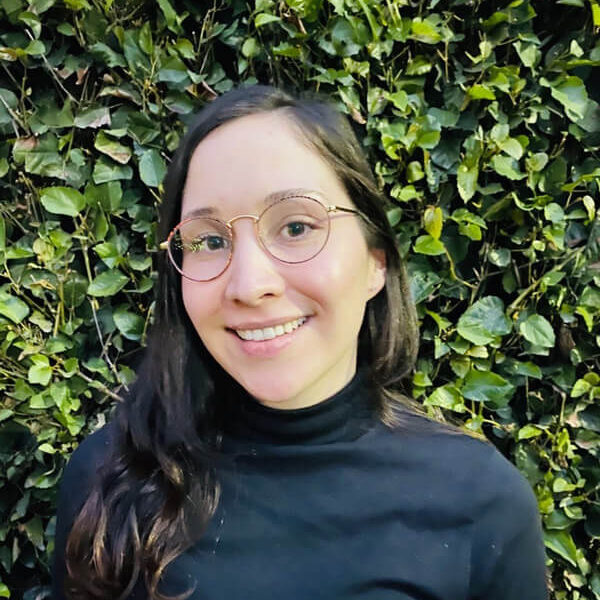
Are you considering going straight from an undergraduate degree to a PhD, skipping the master’s? At 22 years old, Tess shares her experience of this and provides some valuable insights about how she prepared and applied for her PhD in Computing without doing a master’s degree.

Applying to PhD programs can be confusing, and there is little advice about how to go about applying for them. This article offers three top tips for navigating the PhD application process and making yourself a strong applicant.

This article takes the reader on a journey of a doctoral student, from applications, interviews, and building a relationship with supervisors, to coming full circle by mentoring other students starting out and facing challenges. The writer shares their advice and their own personal experience of each stage, including their fulfilling mentoring work promoting awareness of mental wellbeing among PhD students.

Are you considering going straight from an undergraduate degree to a PhD, skipping the master’s? At 22 years old, Tess shares her experience of this and provides some valuable insights about how she prepared and applied for her PhD in Computing without doing a master’s degree.

If you are reading this, it is assumed that you are about to embark on an exciting new journey in teaching at university level. Congratulations! You are about to enter a highly rewarding area of academia where each day is different and full of opportunity to inspire those around you. This blogpost goes through five key considerations to help you prepare for success before entering the classroom.

Landing a lecturing role after a PhD can be difficult, and rejection is commonplace. To lower the chances of rejection, it is important to focus on your career planning and gain experience as early into your PhD as possible. Therefore, if you are serious about becoming a lecturer, here are four things you can start doing now.

Need guidance writing the reflexivity section of your thesis (or indeed writing reflexively throughout the thesis)? This article defines reflexivity as going beyond reflection to consider the influence of our positionality on our work. It covers three main types of reflexivity – personal reflexivity, methodological reflexivity and philosophical reflexivity – and includes some working examples to illustrate the thought processes and questions that facilitate transparency and rigor in research.

Get insights into preparing for the transfer viva, an important step in your research journey, from someone who has gone through it. Learn how to focus on your contributions to knowledge, practice your presentation without overdoing it, and trust that you know your research better than anyone else.
Be the first to hear about new content, courses, and events. Join our community today!
You’re in! Thanks for signing up. Keep an eye on your inbox for the latest updates, resources, and exclusive offers.