
Get insights from a PhD candidate’s reflective diary on the process of starting, struggling with, and ultimately completing a doctoral research project. Discover the trials and tribulations of getting ethical approval, recruiting participants, and navigating the pandemic while working towards a degree.

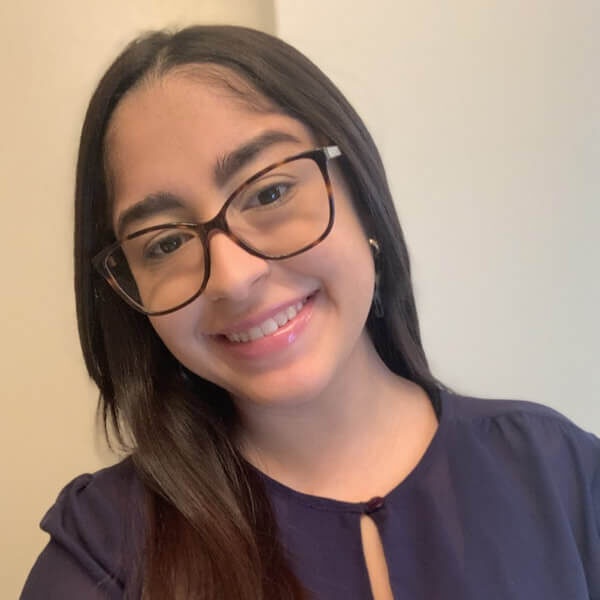
Discover Nayanna Mercado-Soto’s non-traditional path to pursuing a PhD in Biomedical Sciences by participating in a Postbaccalaureate Research Education Program (PREP). Read about how this program helped her gain research experience, improve her communication skills, and prepare for the grad school application cycle.
Discover Nayanna Mercado-Soto’s non-traditional path to pursuing a PhD in Biomedical Sciences by participating in a Postbaccalaureate Research Education Program (PREP). Read about how this program helped her gain research experience, improve her communication skills, and prepare for the grad school application cycle.
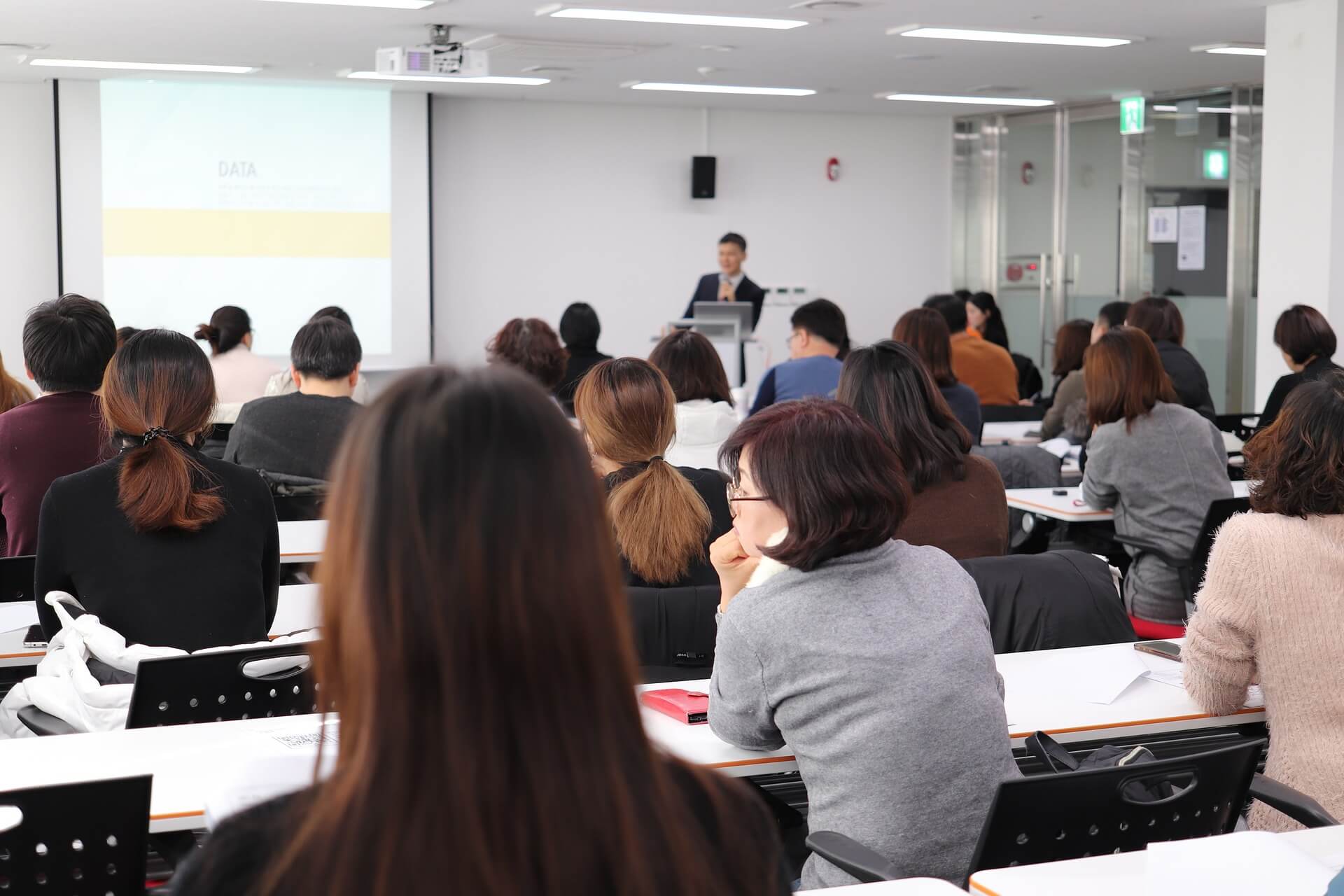

Are you a new PhD student looking to make connections before your programs starts? Kristin shares two big tips to help you hit the ground running at the start of your doctoral studies.

If you aspire to be a lecturer after your PhD, then teaching experience is paramount. There can be apprehension to teach among PhD students based on a perceived lack of subject knowledge, not feeling ready, or having concerns about public speaking. This is only natural. Nevertheless, this article details five ways around this if you give yourself enough time during your PhD!

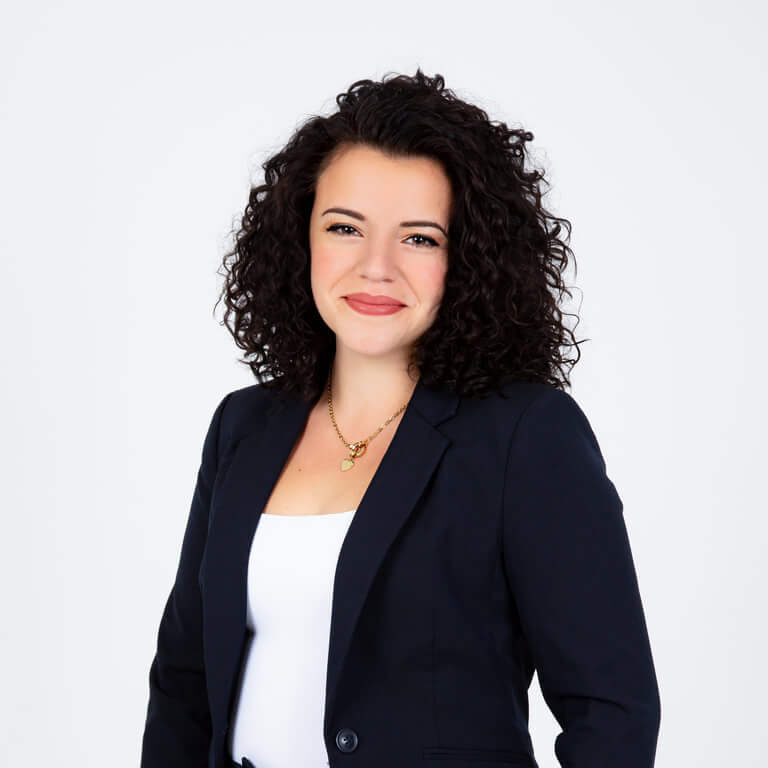
In this article, Melissa Vasi shares her experience of having a supportive and understanding supervisor during her PhD journey. She explains how being a supervisor is not just limited to correcting a thesis, but also being a mentor and friend.

Discover how a PhD student turned to Paperpile to manage the chaos of storing and referencing papers, with the online tool helping them save, sort and access papers with ease.

Mentorship is key to success in non-academic careers. Matteo Tardelli shares how you can seek guidance from industry experts and alumni outside of academia. With dedication and persistence, anyone can find the right mentor to thrive in their chosen field.