



Discover the secret power of blogging for PhD students looking to combat boredom and isolation. Kerry McPherson shares her experience starting a collaborative science communication blog and how it led to networking, expanding her communication skills, learning, and even career opportunities.


From the importance of taking breaks, finding a supportive group, to valuing yourself and networking, these tips will help you get through the rough times and make the most of your PhD experience.


The PhD journey can make us lose hope, feeling trapped in the melancholy that often befriends the doctoral journey. But this empowering and uplifting article, written from a South African perspective, explores the idea of hope being an important friend to PhD candidates, helping us reach the finish line to graduation. Alongside the author’s personal journey with mental health, the article emphasises the importance of prioritising wellbeing, changing strategy when things aren’t working, and always remaining hopeful for the future.


Ever spent years in a degree you were not happy with? This PhD student has, and she advocates for being brave enough to choose personal fulfilment over societal expectations and conventional timelines. In this article, she shares her breakthrough in changing academic direction to a path that better aligns with her passions, and offers empowering words to others who may be in a similar situation.


Are you taking the first steps into careers outside of academia? Anxious about selling yourself to a new audience post-PhD? This is normal, but with the right preparation you can knock your interview out of the park and stand out from the crowd! This article guides you through four important questions to prepare your answers for.
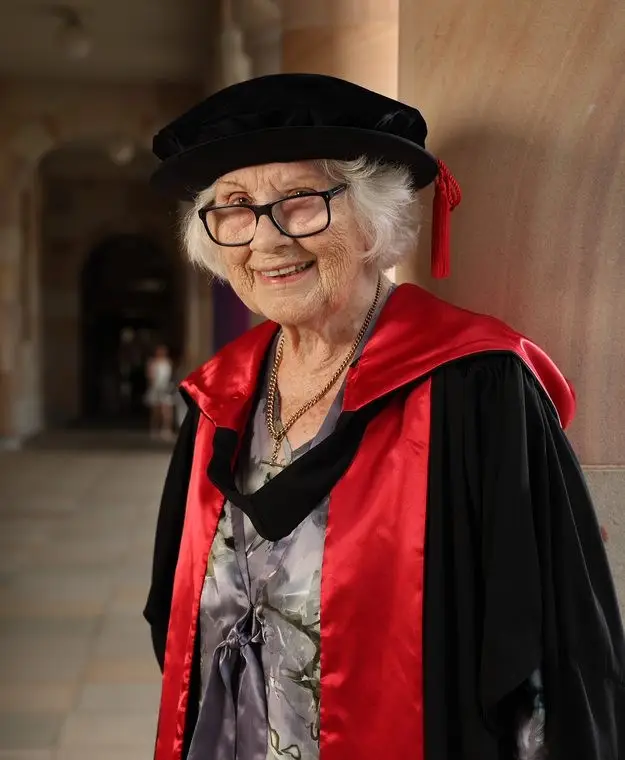

At ninety years old, Dr Bronwyn Herbert has completed her PhD at the University of Queensland, Australia. The PhD Place had the pleasure of interviewing her across the globe to share her inspiring story with our readers! Drawing on her extensive career in social work and her wealth of life experience, Bronwyn promotes the joy of lifelong learning and showcases the power of resilience that every PhD student can seek to emulate.