
Want to impress potential employers during your next postdoc or lectureship interview? This article has insider tips from an experienced hiring committee member. Learn how to research the institution and interviewers, prepare examples of your teaching and research experience, practice common interview questions, highlight your collaborative skills, and ask thoughtful questions to impress your interviewers and stand out from the crowd. By following these tips, you can show that you are the ideal candidate for the position and help advance your career in academia.


Discover how one PhD student survived and even thrived during the global pandemic in this inspiring story of resilience and perseverance. From coping with the uncertainties of lockdown to finding balance and kindness in academic life, this journey offers valuable insights and lessons for anyone pursuing a PhD.


How do you get from the first day of your PhD program to a functional dissertation proposal in two years? In this article, a now-Associate Professor discusses how they used every class to funnel down their PhD proposal while reading widely. *Results may vary.

This article explores the experience of a gay man entering academia in an oppressive conservative culture, creating impossible contradictions between who they are and who academia wants them to be. Professional norms of academia clash with stereotypes of what ‘gay’ looks like to produce a suffocating costume that we often feel is necessary to survive. The article advocates for representation of minority groups in academia to expand ideas of who we can be – and for PhD students to care for one another and embrace our unique stories and identities.


Are you navigating a PhD with neurodivergence and mental health challenges, or want to find out how you can support those who do? In this article, our Editor-in-Chief reflects on five impactful stories from PhDers who’ve been there. Discover their strategies for success and prioritising wellbeing in an often-unaccommodating world. Click the subheadings to enjoy the full articles for yourself!

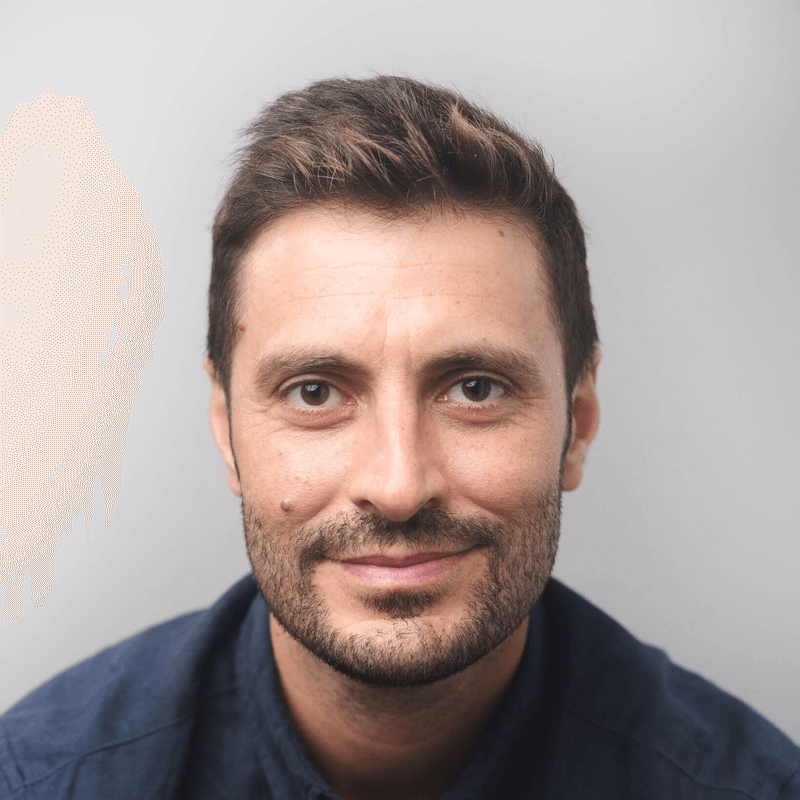
Mentorship is key to success in non-academic careers. Matteo Tardelli shares how you can seek guidance from industry experts and alumni outside of academia. With dedication and persistence, anyone can find the right mentor to thrive in their chosen field.