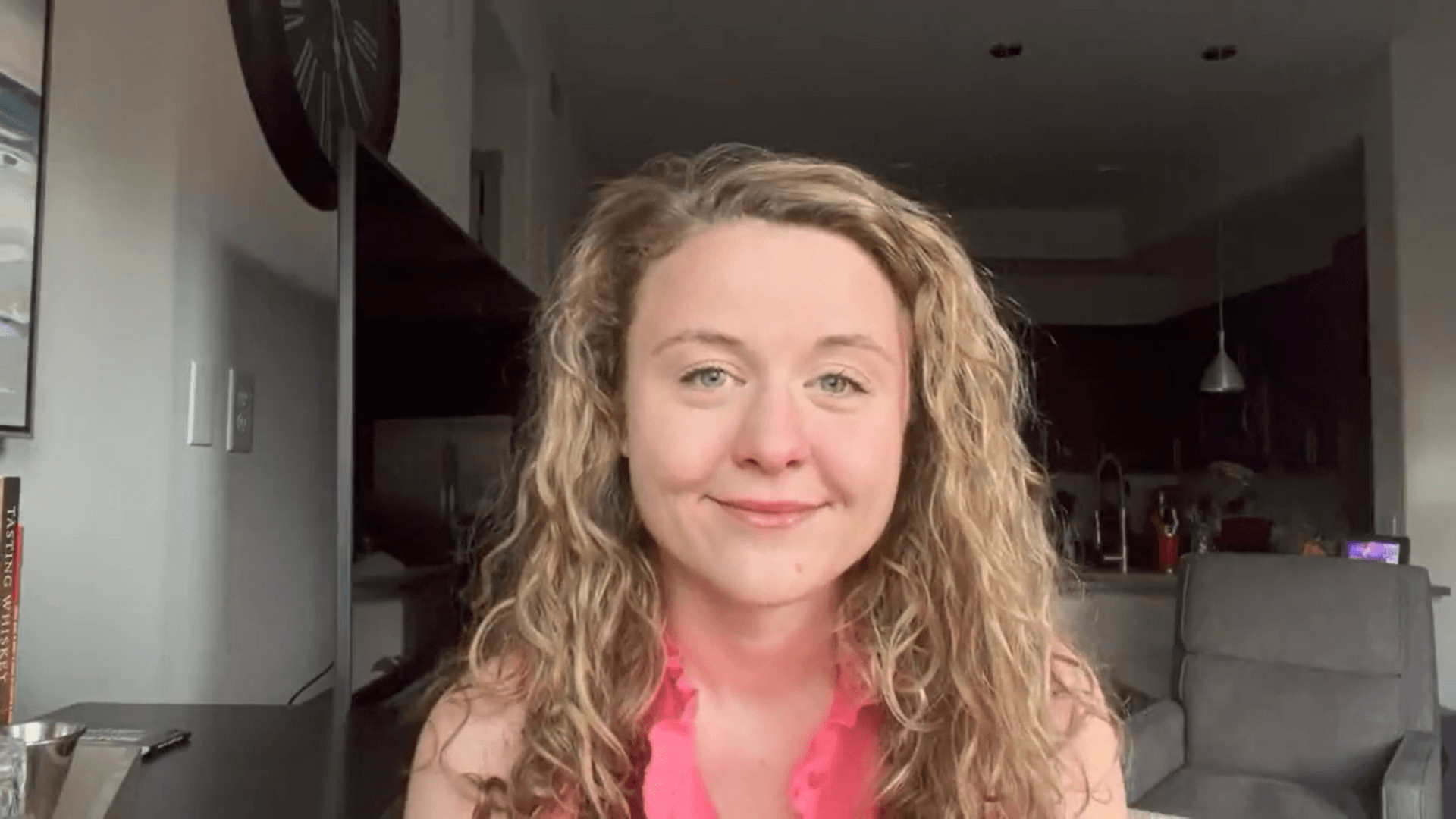
In this PhD Talk, Karly Ball draws on both personal experiences and important insights from her study into navigating disability disclosure in the PhD application process. She outlines three potential considerations for disclosing a disability during this process.

Looking for guidance on pursuing a PhD in the social sciences? This article outlines two main routes to obtaining a PhD: applying to a pre-existing program or creating and proposing an original research project, and offers advice on how to find supervisors, create proposals, and apply for funding.

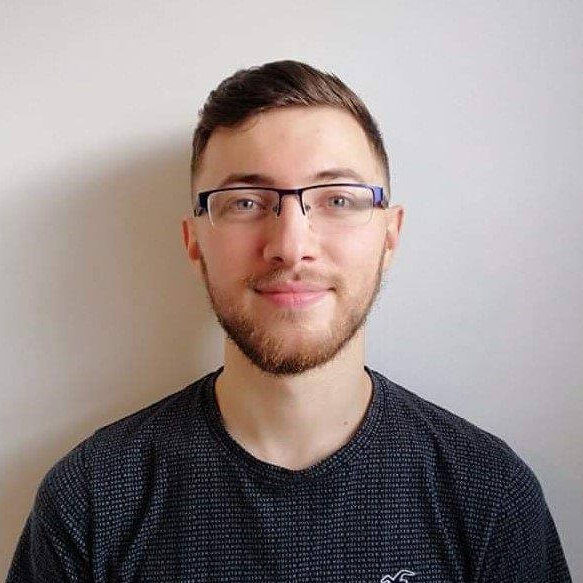
Are you considering going straight from an undergraduate degree to a PhD, skipping the master’s? At 22 years old, Tess shares her experience of this and provides some valuable insights about how she prepared and applied for her PhD in Computing without doing a master’s degree.
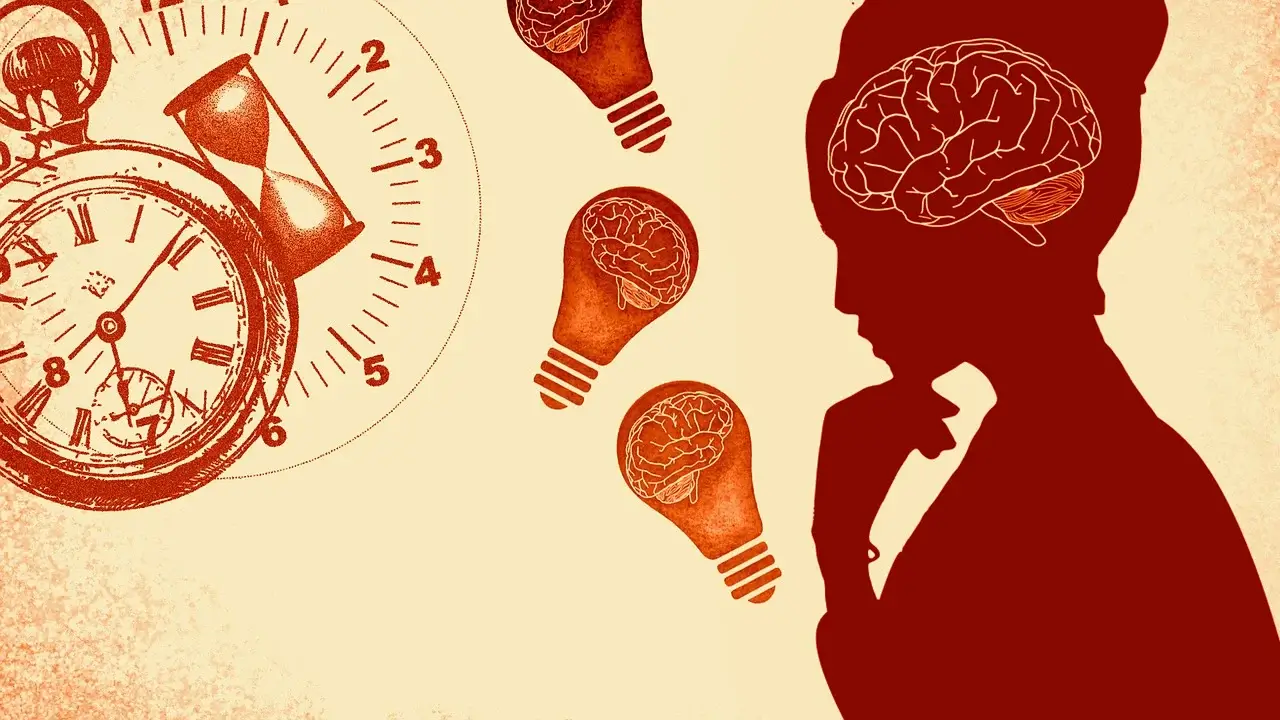
Applying to PhD programs can be confusing, and there is little advice about how to go about applying for them. This article offers three top tips for navigating the PhD application process and making yourself a strong applicant.

From the importance of taking breaks, finding a supportive group, to valuing yourself and networking, these tips will help you get through the rough times and make the most of your PhD experience.

Relocating for a PhD and academic career is often not only required of the candidate but their partners and/or children, too. How do we acknowledge and amplify the experiences of “the trailing spouse and families” while also creating systemic change that would make academic career moves more feasible and fulfilling for all involved?

Learn how to get university funding for online courses. Real examples + a letter template to request support for your training.

This article explores the gap between research and practice and explores how we can bridge this and better emphasise the value of research-informed practice.