
Ready to take the next step in your academic career with a PhD? Don’t miss out on these top tips for acing your PhD interview, from finding the right project to researching your supervisors and preparing for presentations.

Are you considering going straight from an undergraduate degree to a PhD, skipping the master’s? At 22 years old, Tess shares her experience of this and provides some valuable insights about how she prepared and applied for her PhD in Computing without doing a master’s degree.

This article suggests a number of places to start, such as building a good relationship with your supervisor, networking with your peers, planning your move and checking out any additional course requirements.
Are you considering going straight from an undergraduate degree to a PhD, skipping the master’s? At 22 years old, Tess shares her experience of this and provides some valuable insights about how she prepared and applied for her PhD in Computing without doing a master’s degree.
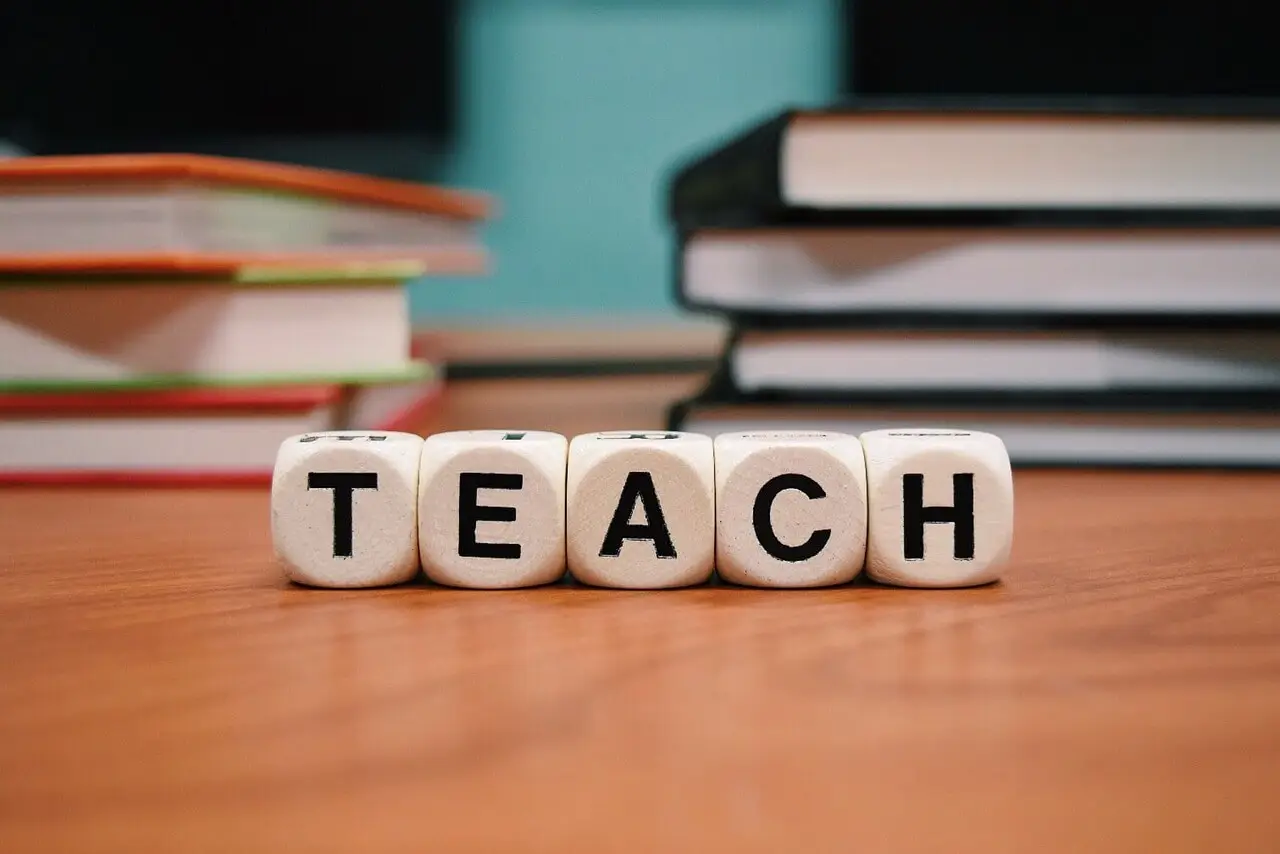
If you aspire to be a lecturer after your PhD, then teaching experience is paramount. There can be apprehension to teach among PhD students based on a perceived lack of subject knowledge, not feeling ready, or having concerns about public speaking. This is only natural. Nevertheless, this article details five ways around this if you give yourself enough time during your PhD!

This article highlights the issue of unclear and unpredictable application processes for postdoctoral opportunities in the UK and beyond. Drawing on philosophical concepts like hauntology, it calls for universities to honour (or refrain from setting!) their ‘outcome announcement’ dates, as this would alleviate disappointment and foster greater fairness and transparency in postdoctoral applications.
Publishing feels impossible sometimes. You’ve already got research, teaching, maybe conferences, and then you’re told you need to publish too. The problem is that nobody

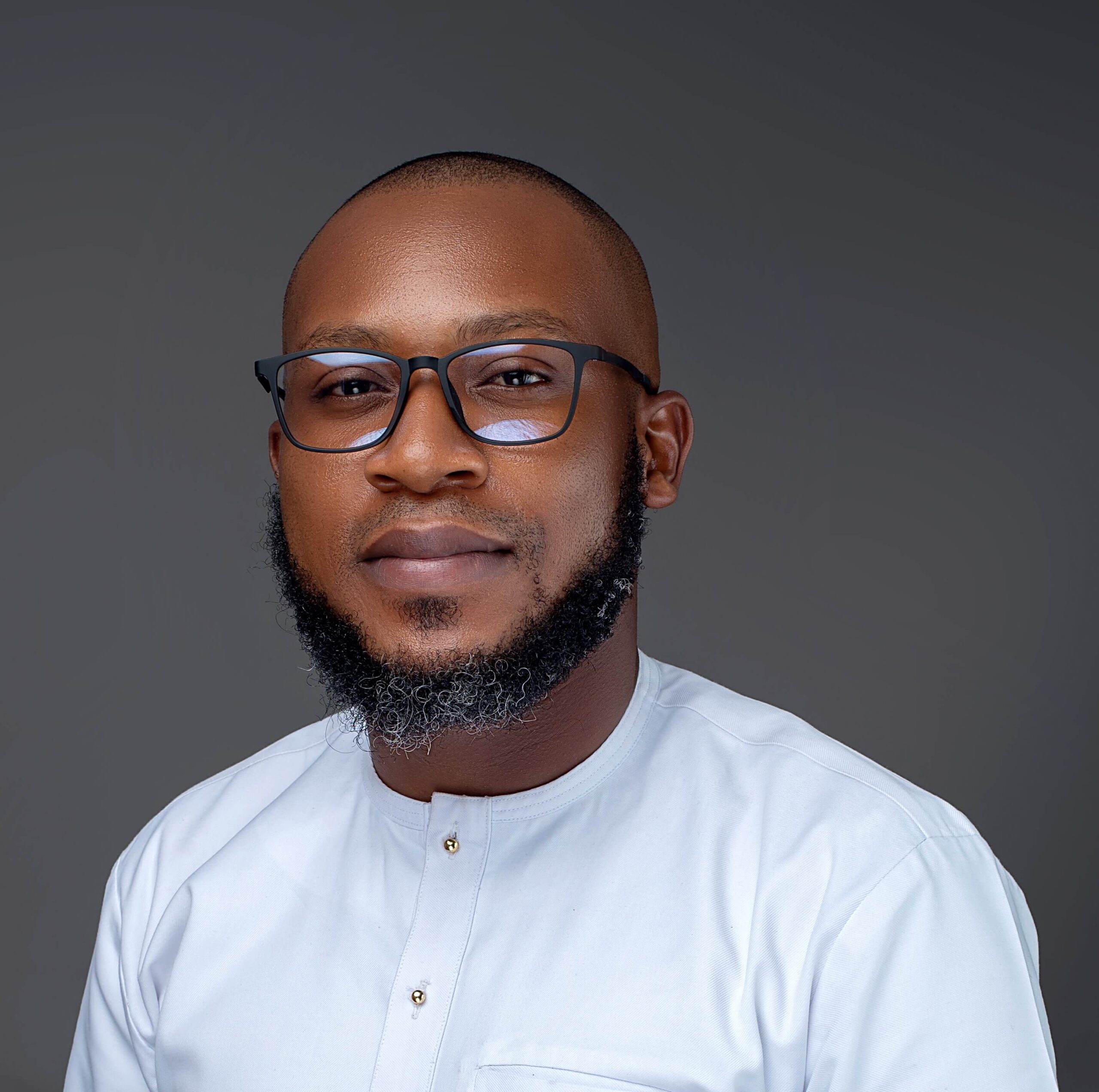
The ethical implications of field research require careful consideration and reflexivity. Chukwudi Njoku offers some reflections of his PhD fieldwork on the pastoralists-farmers conflict in Benue and Taraba States, Nigeria.