
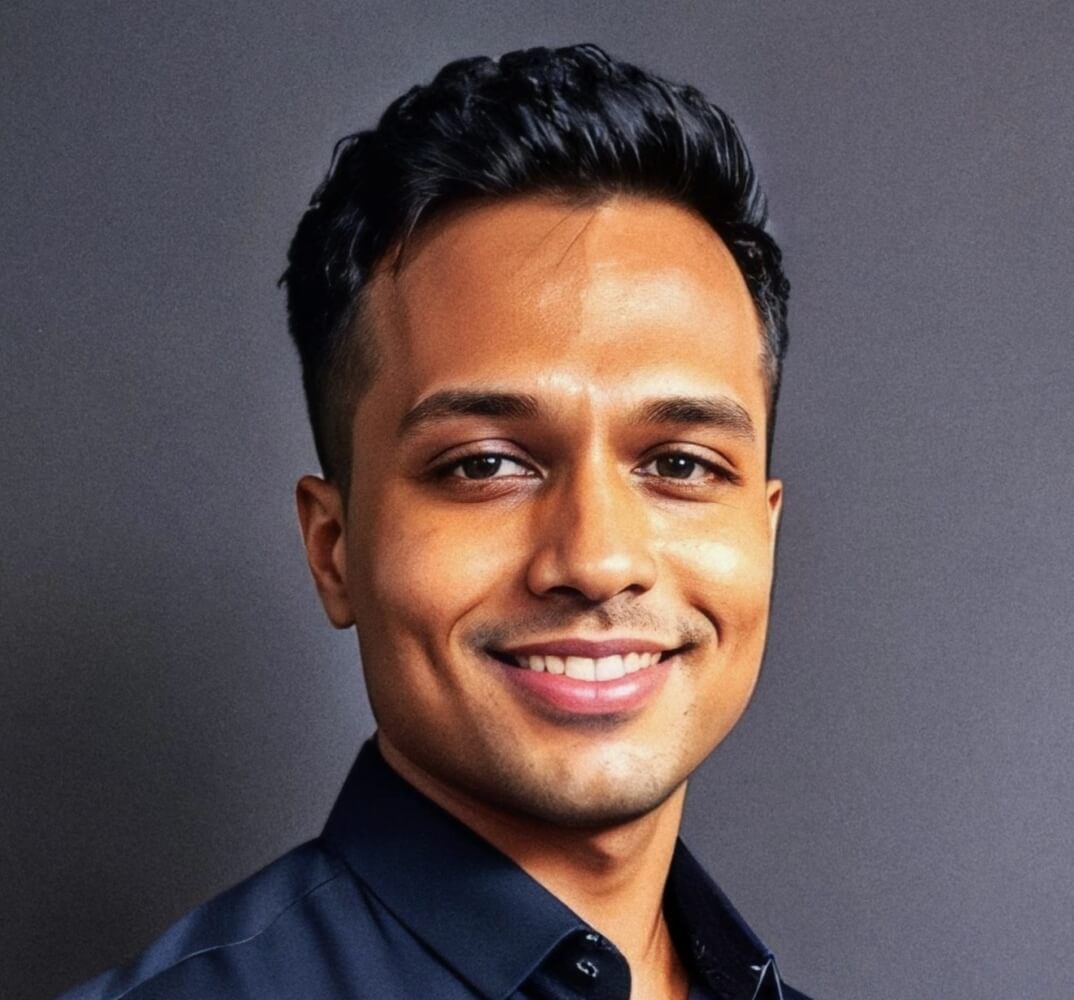

Apurba Biswas is a PhD scholar at the School of Humanities and Social Sciences at the National Institute of Science Education and Research (NISER) in India, specialising in Linguistics and Translation Studies. His research interests include the evolution of the Bengali language, translation theory, and the intersection of culture and language. Apurba is passionate about exploring the ways in which language reflects identity and cultural diversity, and he draws on his personal experiences living in a multilingual society for his work. He has published poems, flash fiction, and academic articles in multiple languages, including English, Bengali, and Hindi.

The Journey to Authenticity in Academia

‘If a PhD is to be an ordeal – and indeed, it is – then let it be an ordeal wherein you find meaning in something that is true to yourself’. This article explores the feelings of imposter syndrome and the pressures to follow academic trends at the start of your PhD journey, disconnecting you from your true interests. A translation project helped the author realise the value of embracing his authentic self and focusing on what truly resonates with him. By shifting to linguistics and translation studies, the author found fulfilment and meaning in his research.

Read More »

SciSpace Agent Review: The Most Powerful Research Tool?

In this blog post, I’ll show you four things you can do with the new SciSpace Agent: identifying research gaps, supporting your literature reviews, auto-generating posters, and finding the right journal for your paper. Instead of jumping between separate tools, the agent integrates 150+ research tools and databases (PubMed, Google Scholar, arXiv, grants.gov, and more) alongside SciSpace’s own features, including a database of 280M+ papers.

Read More »

Realising I Have ADHD During My PhD: A Hidden Battle

This article details the experience of a Professional Doctorate student (and full-time working parent) suddenly becoming aware that she has ADHD – being given a new, neurodivergent lens through which to see herself, and the additional challenges (and solutions) that it brings to a PhD journey. The article offers solutions for coping with a neurodivergent brain in a world generally designed for neurotypical ways of functioning.

Read More »
Your contribution to our PhD Stories helps us disseminate valuable support to researchers worldwide.
Update cookies preferences