
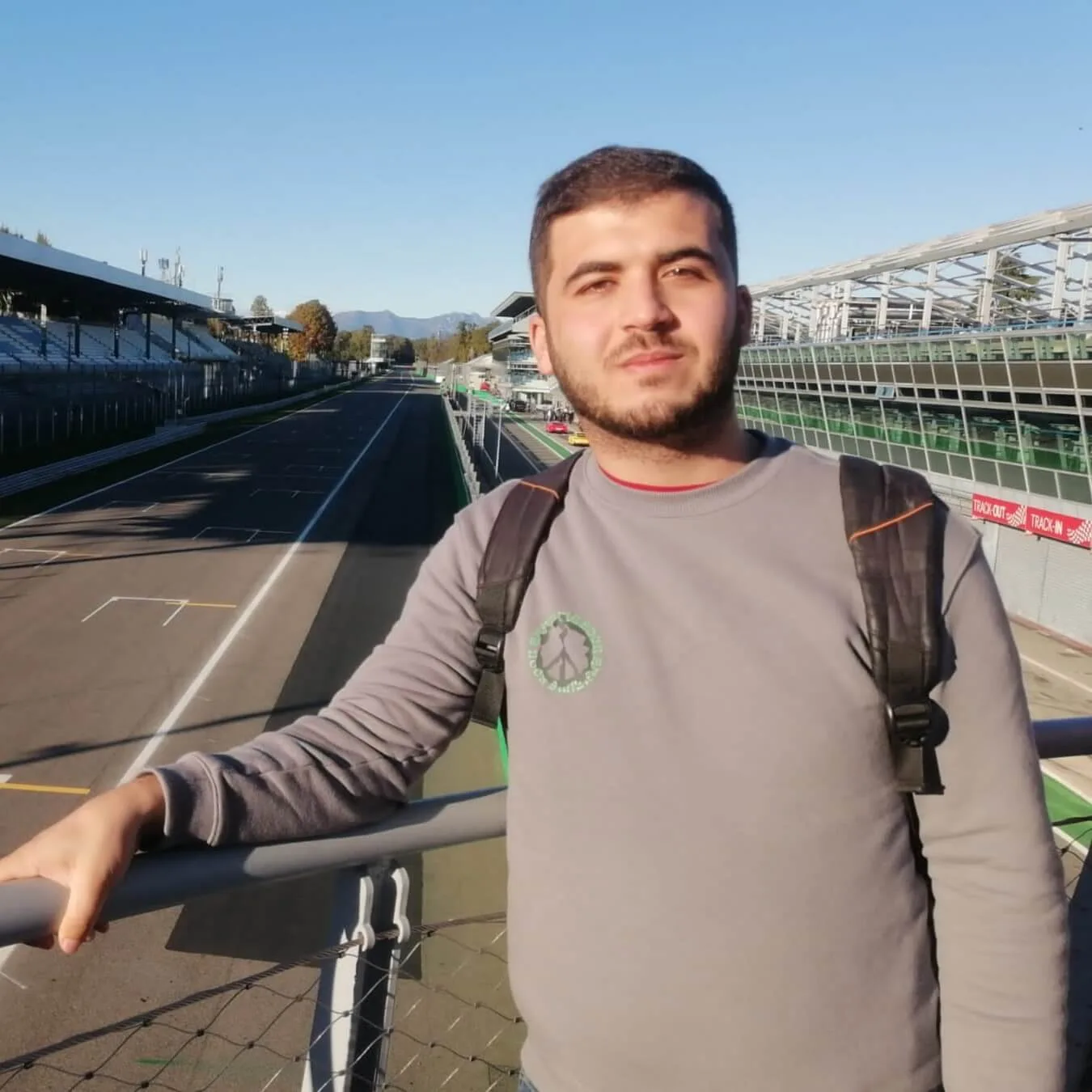

Fadel Fakih (He/ Him) is a doctoral student at the Institute of Parasitology in Ceske Budejovice, Czech Republic, where he is researching codon reassignment during translation in parasites. Apart from his dedication to biology, Fadel also harbors a keen interest in physics and philosophy. You can find him on Twitter: @Fakih98.

Applying for a PhD: My Struggles and Triumphs

This article explores the challenges, doubts and pressures faced during the pursuit of a PhD. It takes a close look at how PhD candidates are chosen, highlighting the need for looking into the scientific character of the candidate and their way of thinking rather than just focusing on academic achievements alone. The narrative also highlights coping strategies, advocating for resilience and self-reflection. Ultimately, it offers motivation to others, encouraging them to persevere in their pursuit of knowledge and passion in the face of adversity.

Read More »

Electromagnetic Compatibility (EMC) for Power Electronic Converters

In modern smart grids, the majority of electromagnetic interference (EMI), particularly within the conducted emission frequency range, arises from Power Electronic (PE) converters. These converters have the potential to cause EMC issues. In accordance with European and British directives, EMC compliance mandates that devices operating within a network should function without introducing interference that leads to “substantial degradation of service under normal operating conditions.” Consequently, any device intended for the market must undergo tests specified in standards like CISPR-16.

Read More »

 Why Being a Distinctly Average PhD Student is Extraordinarily Fine

PhD survivor Hannah Broadbent shares her personal account of persevering through her PhD, detailing her struggle with imposter syndrome and mental health. Upon self-reflection, she shifted from academia to an industry job that best matched her preferences. Her story emphasises the importance of personal satisfaction over conforming to the perfect PhD student stereotype.

Read More »
Your contribution to our PhD Stories helps us disseminate valuable support to researchers worldwide.
Update cookies preferences