
Career and Networking
Asking Your University to Pay for Online Training
Learn how to get university funding for online courses. Real examples + a letter template to request support for your training.

Learn how to get university funding for online courses. Real examples + a letter template to request support for your training.

The SciSpace Library is built to help you organise research papers, pull out what matters, and actually understand the papers you are working with. It turns a mess of PDFs into something searchable, interactive, and manageable without the constant back-and-forth between tabs, folders, and notes. In this blog post, we will introduce SciSpace Library and outline the various ways in which you can use it and its key features.

This article explores the experience of doing a part-time distance PhD in later life. The author’s age was an advantage, allowing them to focus on their thesis without distractions or major hiccups. The article reflects on how to make for a smooth doctorate – emphasising the importance of strong interest in your topic, supervisors who are easy to work with, and a bit of luck!
‘If a PhD is to be an ordeal – and indeed, it is – then let it be an ordeal wherein you find meaning in something that is true to yourself’. This article explores the feelings of imposter syndrome and the pressures to follow academic trends at the start of your PhD journey, disconnecting you from your true interests. A translation project helped the author realise the value of embracing his authentic self and focusing on what truly resonates with him. By shifting to linguistics and translation studies, the author found fulfilment and meaning in his research.
Mentors and supervisors are invaluable helpers on our PhD journey, yet this aspect of a PhD is often not considered enough to ensure they are the right fit for us. This article, from a Ghanian perspective, provides advice on finding and maintaining the right supervisors, who have the potential to completely transform one’s PhD journey into an enjoyable one. It reminds us that supervisors should be seen not as someone to try to replicate, but to springboard us into attaining our own personal goals.
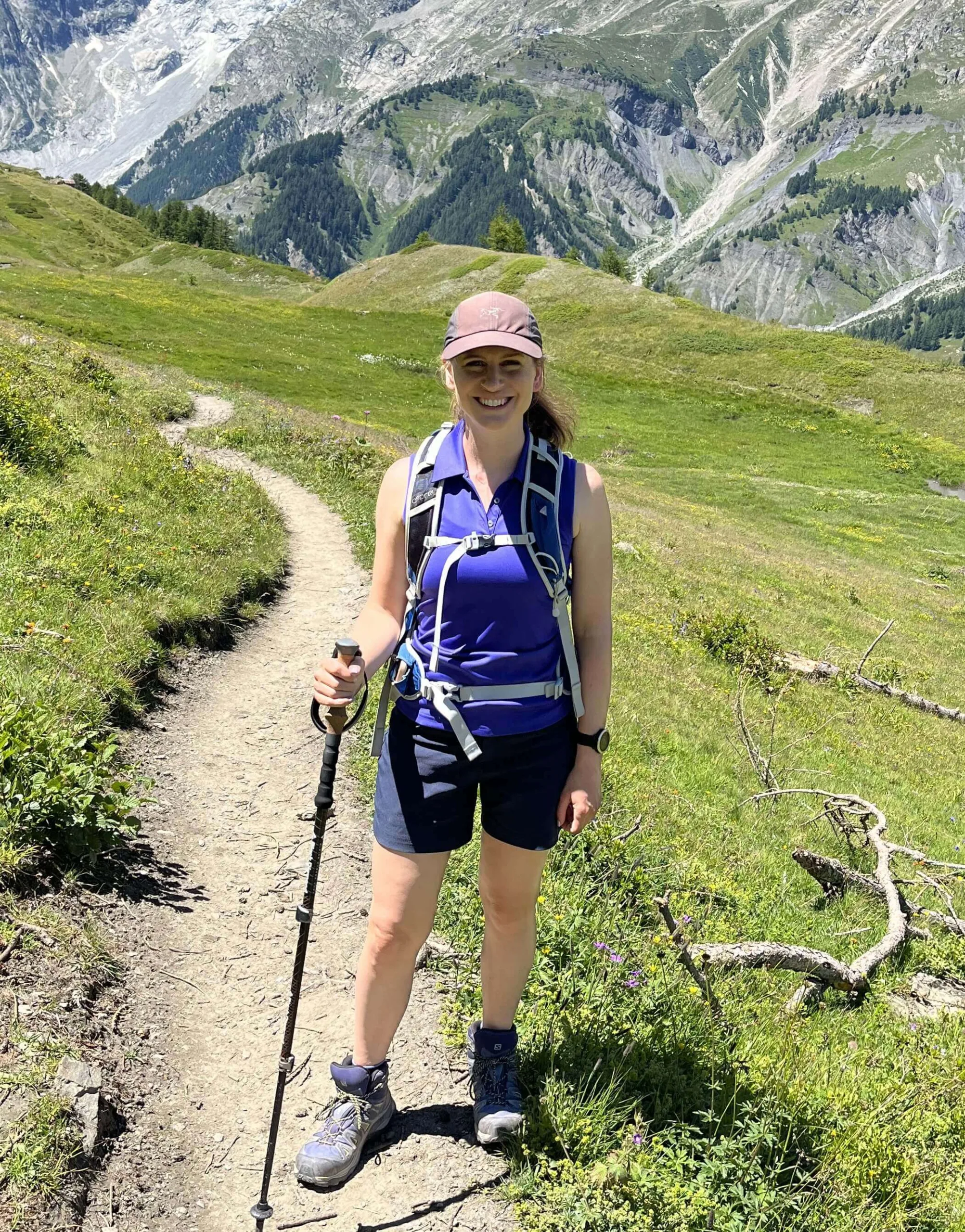
This article reflects on the author’s 15-year academic journey, detailing the lessons learned from disorganised PhD student to effective work habits as a postdoc and assistant professor, and applying these lessons to their current role at Paperpile. Suzanne offers practical advice on academic writing, productivity, and professional development, emphasizing the importance of daily writing practice, systematic note-taking, reflection, goal setting, and the use of digital tools like reference managers. She shares these insights to help current PhD students avoid similar pitfalls and develop productive habits early in their academic careers.

Starting a PhD is a monumental task, demanding personal and academic growth and creating panic about where to start. In this article, a PhD student breaks down the most important things to bear in mind when starting your PhD, making the project your own, and even enjoying the ride.

Are you applying for a PhD program in a new country and feeling overwhelmed? This article offers some top tips on how to successfully navigate the international waters to help yourself thrive abroad! Important considerations include researching the right country/university fit for you, giving plenty of time to getting a residence permit, and helping yourself feel part of a community in your new city.


Are you considering going straight from an undergraduate degree to a PhD, skipping the master’s? At 22 years old, Tess shares her experience of this and provides some valuable insights about how she prepared and applied for her PhD in Computing without doing a master’s degree.
Applying to PhD programs can be confusing, and there is little advice about how to go about applying for them. This article offers three top tips for navigating the PhD application process and making yourself a strong applicant.