


This article highlights the issue of unclear and unpredictable application processes for postdoctoral opportunities in the UK and beyond. Drawing on philosophical concepts like hauntology, it calls for universities to honour (or refrain from setting!) their ‘outcome announcement’ dates, as this would alleviate disappointment and foster greater fairness and transparency in postdoctoral applications.

Discover how Vanessa Corcoran, a historian with a focus on medieval witchcraft, pivoted her dissertation topic to the Virgin Mary after immersing herself in coursework on medieval religious history. Learn how her decision was received by her professors, the challenges she encountered, and what inspired her to make the shift.
In this article, Jennie Riley shares what she learned about publishing from her PhD experience. She provides tips on why she decided to publish solo-authored articles instead of turning her thesis into a book, the difference between submitting a chapter and an article, the importance of resilience, and reframing feedback.

Learn how to get your ‘story straight’ when job-hunting after your PhD in this article by Holly Prescott. Discover the effective tool for PhD researchers that helped her identify her priorities and make a convincing narrative that landed her a role that suited her needs.


Want to learn the dos and don’ts of effective networking at academic conferences? This article outlines five steps to maximise your networking potential, complete with template messages to send to your desired connections before and after the event. The article emphasises the importance of manners, personal space, and picking your moments accordingly.

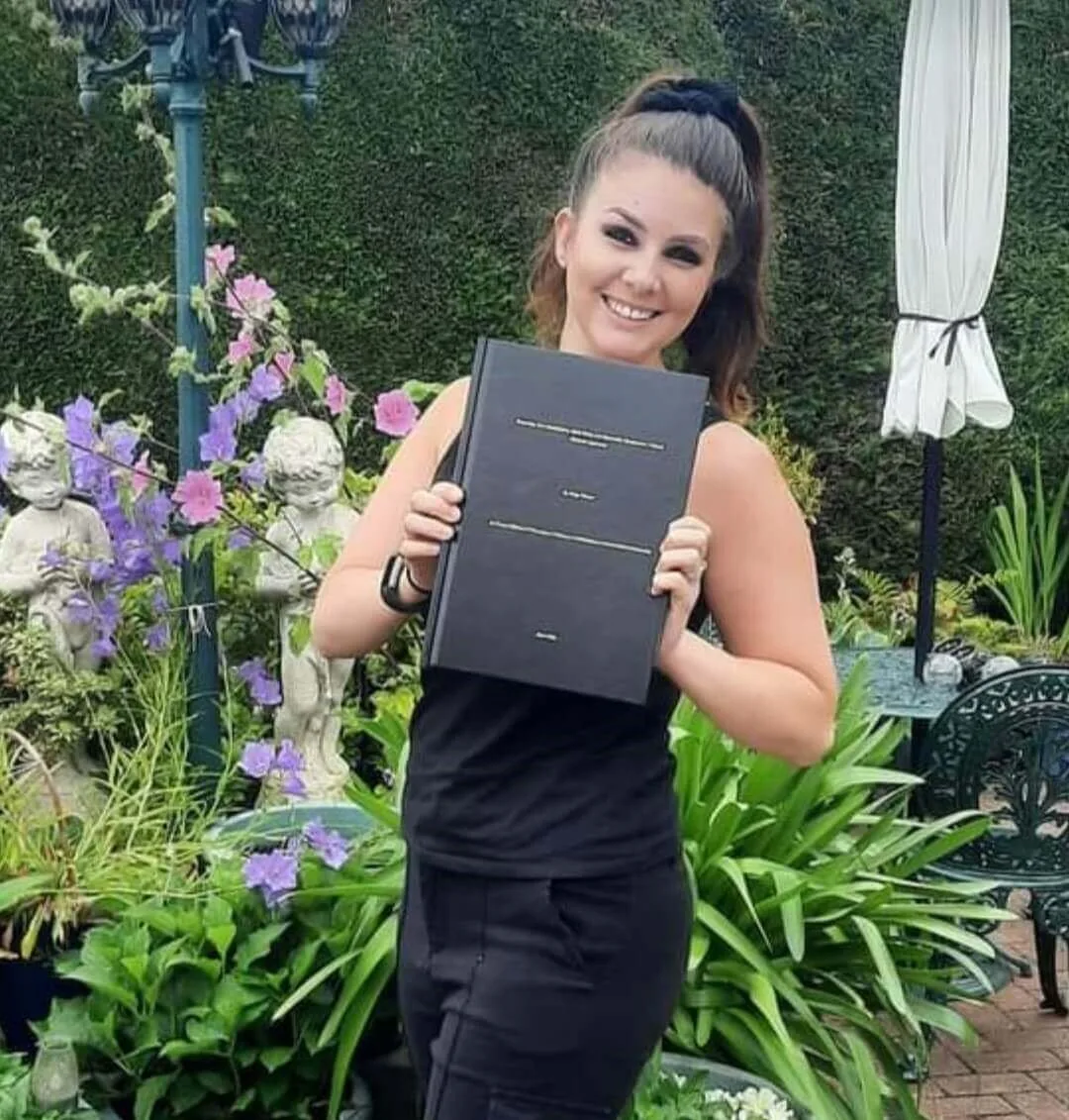
Are you thinking about using mixed methods (both quantitative and qualitative data) in your PhD? This article guides you through different ways of doing mixed methods PhD research, from proposal writing to collecting and analysing data. It emphasises the importance of rigor in mixed methods research and how to achieve this.
Landing a lecturing role after a PhD can be difficult, and rejection is commonplace. To lower the chances of rejection, it is important to focus on your career planning and gain experience as early into your PhD as possible. Therefore, if you are serious about becoming a lecturer, here are four things you can start doing now.