


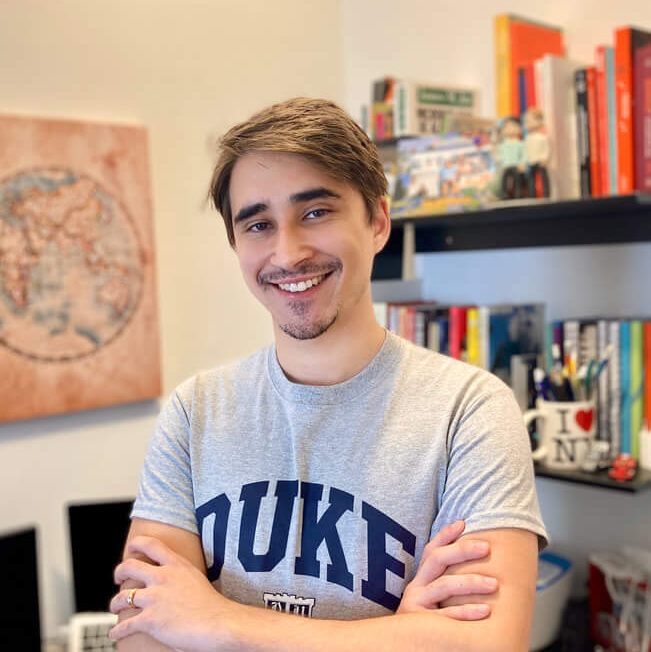
Follow Marco T.P. Gontijo’s journey as he applied to PhD programs, received the prestigious Fulbright scholarship, and was accepted into a PhD program at Duke University in Molecular Genetics and Microbiology.


This article highlights the issue of unclear and unpredictable application processes for postdoctoral opportunities in the UK and beyond. Drawing on philosophical concepts like hauntology, it calls for universities to honour (or refrain from setting!) their ‘outcome announcement’ dates, as this would alleviate disappointment and foster greater fairness and transparency in postdoctoral applications.


In this article, Bettina Lier shares her experience of applying for a PhD scholarship and how she initially found the application process overwhelming. With the support of her supervisor she overcame her doubts, and successfully completed the proposal. Her story is a great example of how with the right mindset and support, we can overcome any challenge.
Follow Marco T.P. Gontijo’s journey as he applied to PhD programs, received the prestigious Fulbright scholarship, and was accepted into a PhD program at Duke University in Molecular Genetics and Microbiology.

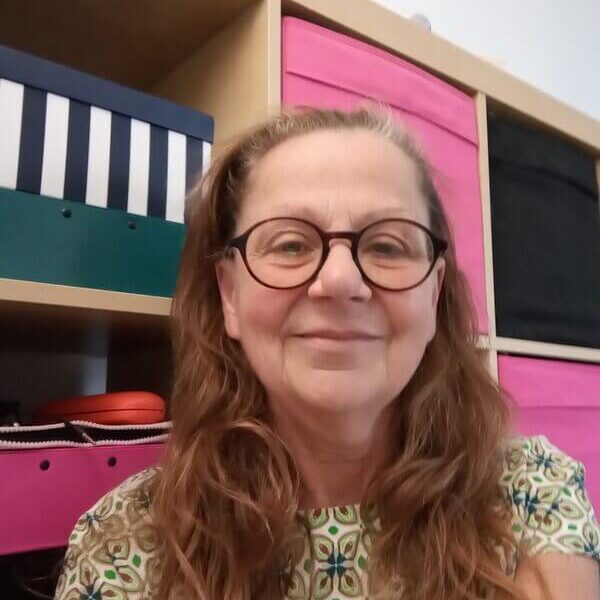
Discover what life has to offer after completing a PhD as Aly Flint reflects on her experience as an Early Career Researcher. After looking for work in the academic job market, Flint found The Brilliant Club, which offers rewarding and flexible work teaching university-style short courses to secondary school students, allowing her to create bespoke courses based on her current research.
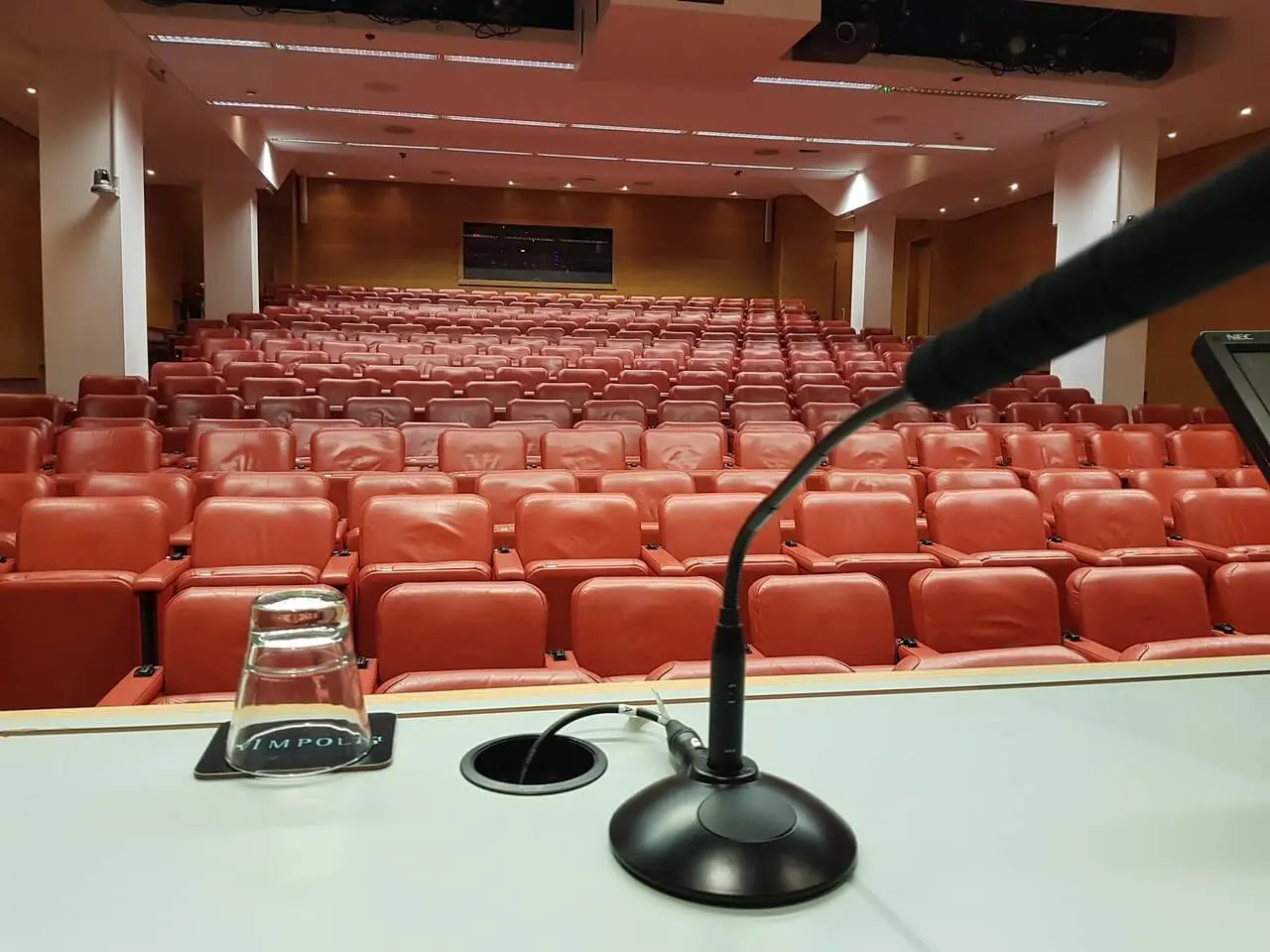

Landing a lecturing role after a PhD can be difficult, and rejection is commonplace. To lower the chances of rejection, it is important to focus on your career planning and gain experience as early into your PhD as possible. Therefore, if you are serious about becoming a lecturer, here are four things you can start doing now.


Sue Lynn Mah shares her experience preparing for and passing her PhD viva in her article. In the week leading up to the big day, she re-read her thesis, had a mock viva with her supervisor, practiced explaining her work to people outside of her field, and printed out a physical copy of her thesis. Her tips for viva success include picking out your outfit in advance and practicing your elevator pitch.

Need guidance writing the reflexivity section of your thesis (or indeed writing reflexively throughout the thesis)? This article defines reflexivity as going beyond reflection to consider the influence of our positionality on our work. It covers three main types of reflexivity – personal reflexivity, methodological reflexivity and philosophical reflexivity – and includes some working examples to illustrate the thought processes and questions that facilitate transparency and rigor in research.