
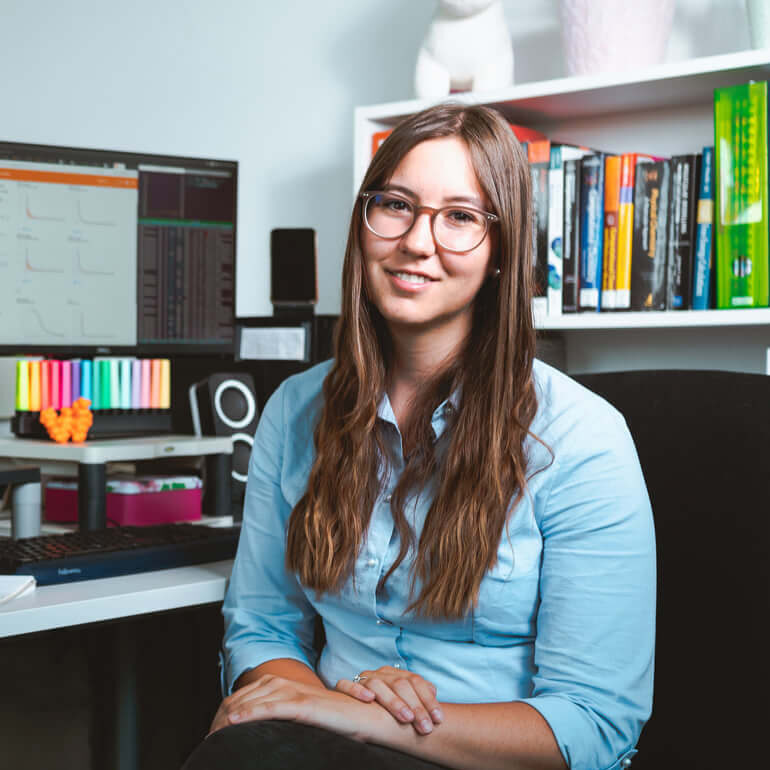
In this article, Bettina Lier shares her experience of applying for a PhD scholarship and how she initially found the application process overwhelming. With the support of her supervisor she overcame her doubts, and successfully completed the proposal. Her story is a great example of how with the right mindset and support, we can overcome any challenge.

Are you considering going straight from an undergraduate degree to a PhD, skipping the master’s? At 22 years old, Tess shares her experience of this and provides some valuable insights about how she prepared and applied for her PhD in Computing without doing a master’s degree.

Are you thinking about using mixed methods (both quantitative and qualitative data) in your PhD? This article guides you through different ways of doing mixed methods PhD research, from proposal writing to collecting and analysing data. It emphasises the importance of rigor in mixed methods research and how to achieve this.
In this PhD Talk, Karly Ball draws on both personal experiences and important insights from her study into navigating disability disclosure in the PhD application process. She outlines three potential considerations for disclosing a disability during this process.

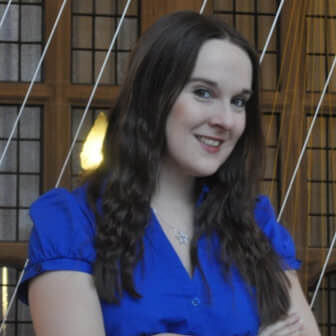
Need ideas for writing your Academic CV? Holly Prescott, a Careers Adviser for Postgraduate Researchers, shares her top 5 tips in this article.
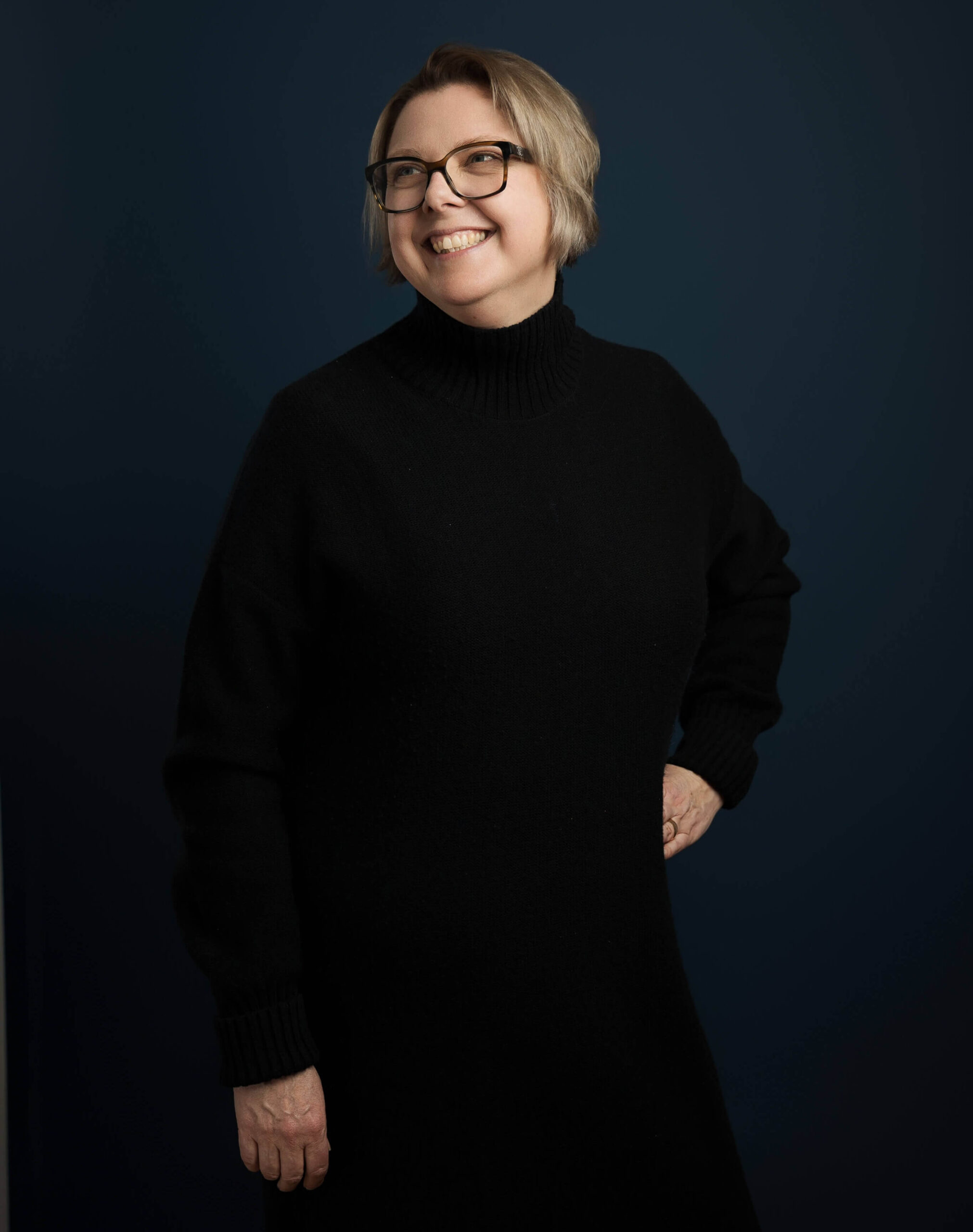
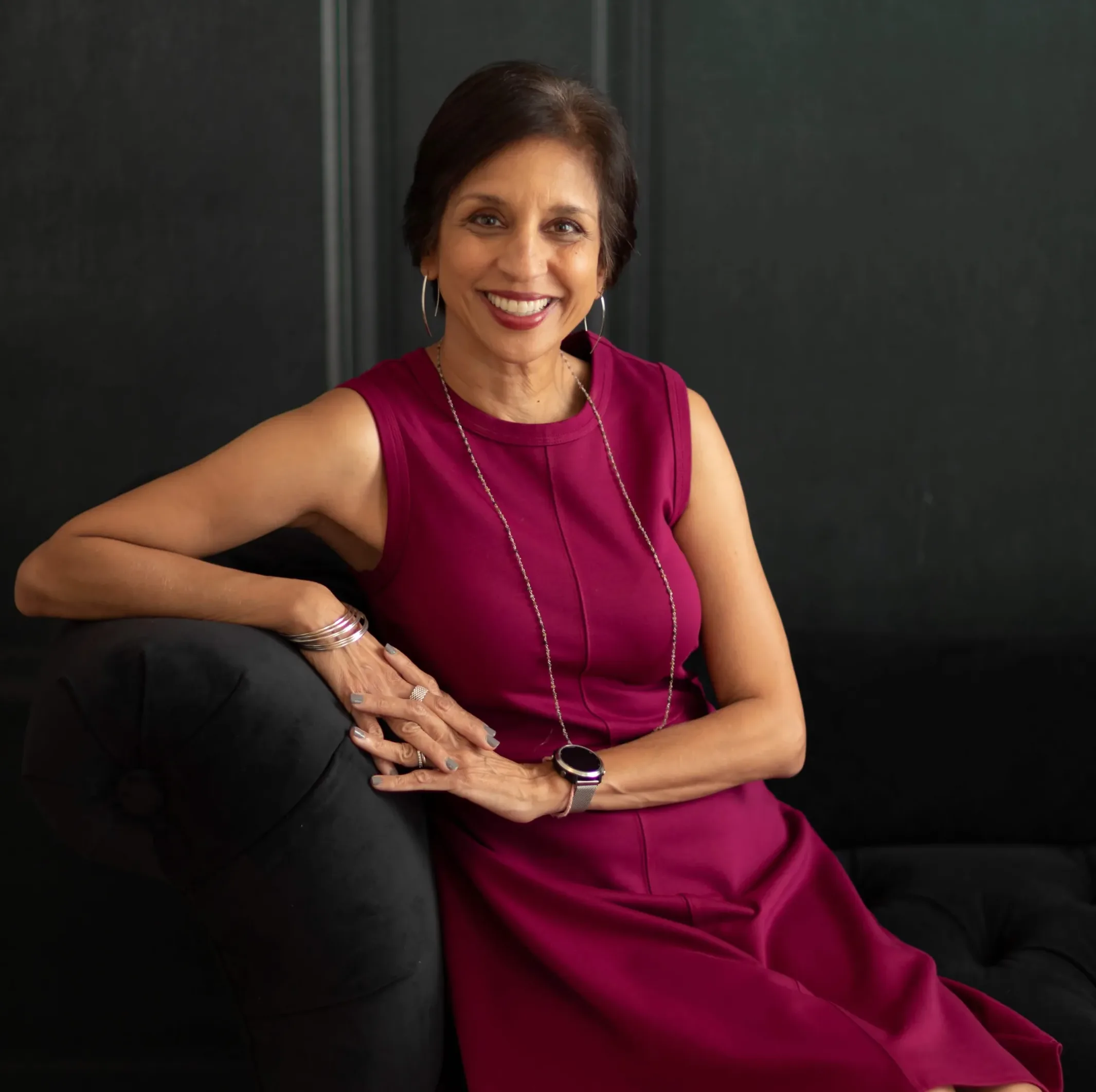
Inger ‘The Thesis Whisperer’ Mewburn is something of a superhero to PhD students around the world, dedicated to improving doctoral experiences and post-PhD employability. In this interview, our Editor-in-Chief Charlotte Marino is delighted to share Inger’s wisdom on everything from careers advice to the moral panic around AI – all the while advocating for a kinder, more inclusive academia.

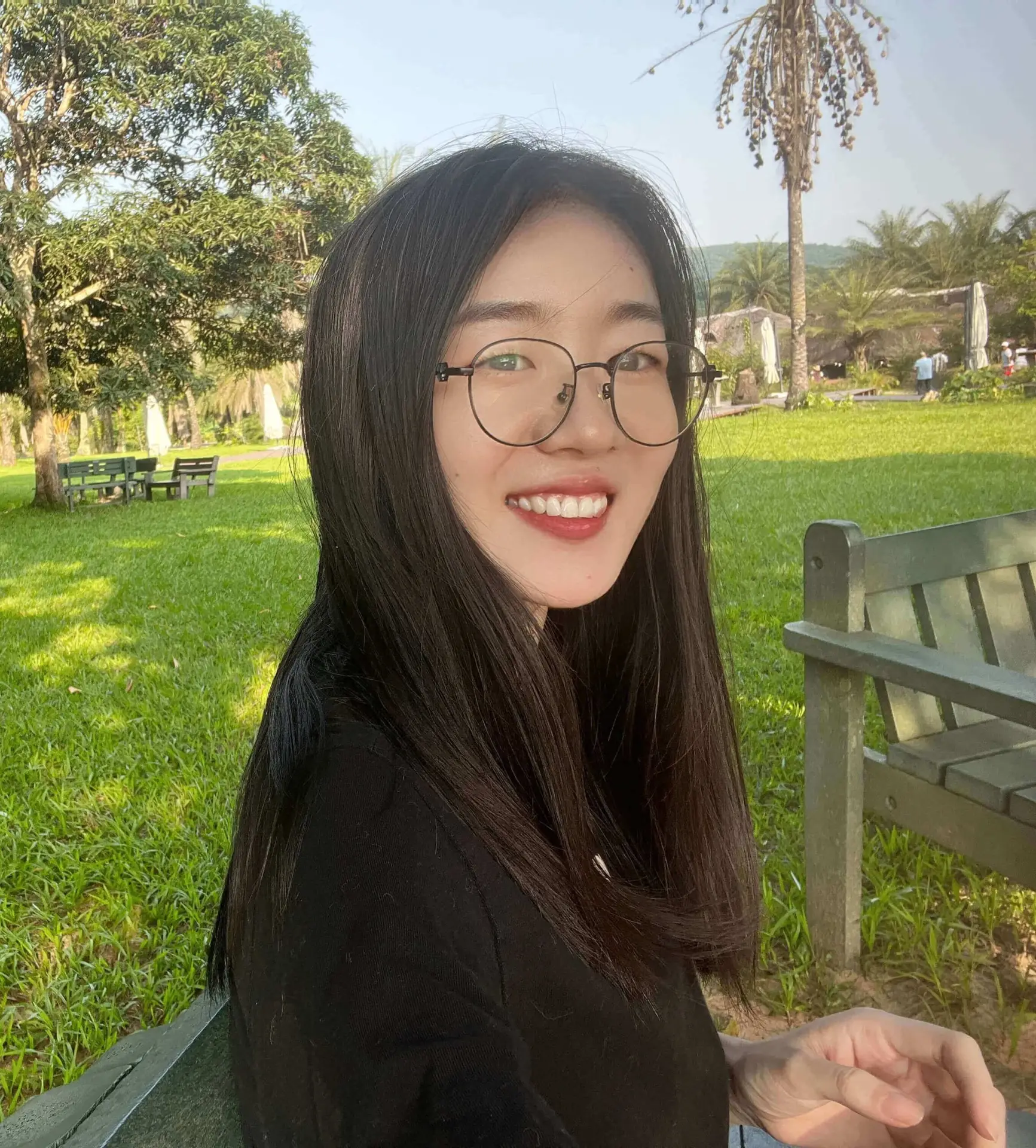
Are you studying for a PhD abroad? Are you worried about integrating meaningfully into your PhD life in a different country? In this article, Dai Wenqi explores how to socialise and adapt to a new culture during your PhD abroad, providing advice from her lived experiences to help you enjoy your doctoral life to the fullest. This includes respecting and engaging with the culture of your host country, learning the language (but forgo the pressure of perfect fluency), and leaning into your unique personal charm.

Learn how to get university funding for online courses. Real examples + a letter template to request support for your training.