
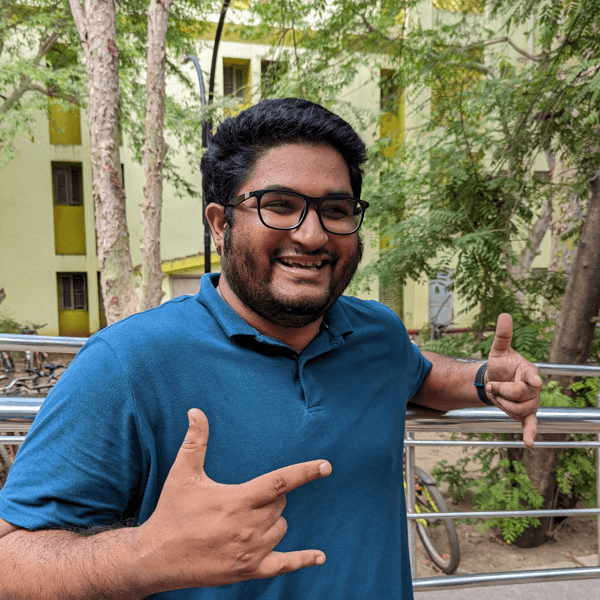
Pillalamarri Srikrishnarka shares 10 tips he wish he knew before starting his STEM-based PhD program at the Indian Institute of Technology, Madras. A final year scholar, Pillalamarri emphasizes networking and time management, he provides useful links to other resources.

Learn about the similarities between pursuing a PhD in a research field and launching a startup business. From selecting a viable research topic to marketing your work, PhD students and entrepreneurs have overlapping skills and mindsets that can lead to success. Read more to find out how PhD students can learn from entrepreneurial techniques to achieve success in academia.


Adapting to changes in research plans is an important skill for all researchers. Karl Miller writes about the challenges faced during the COVID-19 pandemic, including working from home, the inability to access equipment, and the need to redesign studies. However, online data collection provided new opportunities for learning and developing new skills.
Adrienne Darrah discusses the advantages and difficulties of pursuing a PhD later in life, and presents reasons why you should contemplate undertaking a PhD as an older student in this talk.
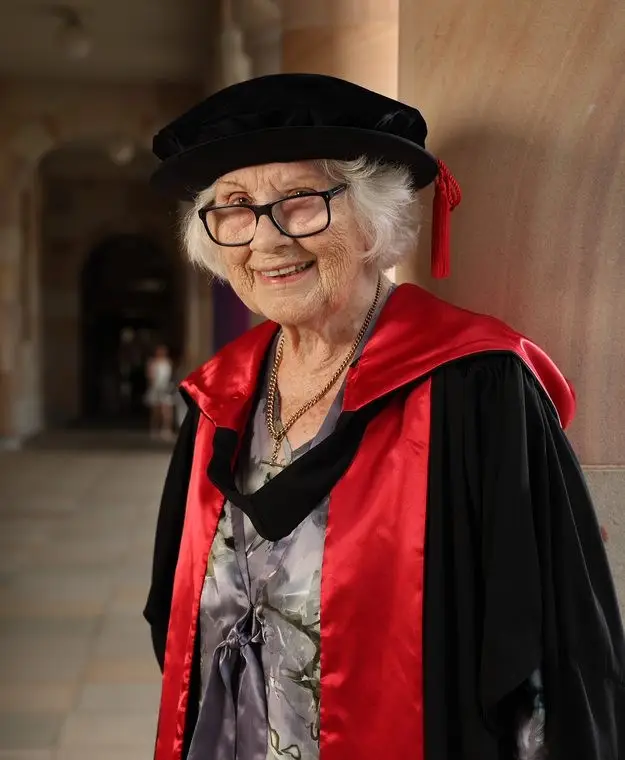

At ninety years old, Dr Bronwyn Herbert has completed her PhD at the University of Queensland, Australia. The PhD Place had the pleasure of interviewing her across the globe to share her inspiring story with our readers! Drawing on her extensive career in social work and her wealth of life experience, Bronwyn promotes the joy of lifelong learning and showcases the power of resilience that every PhD student can seek to emulate.


Read D. Gabriel Cruz’s inspiring story of how he pursued a doctoral degree. Cruz’s faith in God, his perseverance, and dedication helped him attain a higher academic level, and he hopes his story will motivate and encourage others to pursue their goals.