

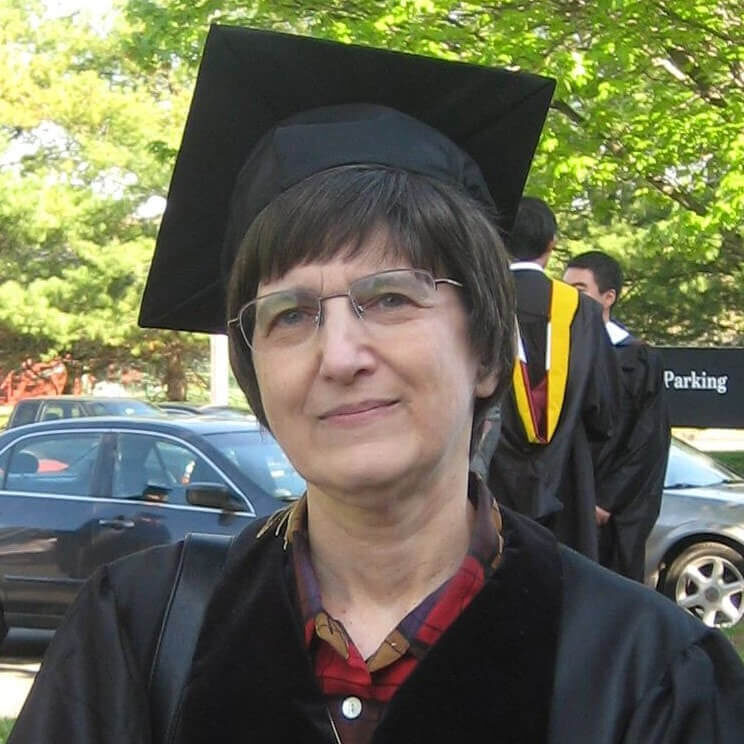


From the importance of taking breaks, finding a supportive group, to valuing yourself and networking, these tips will help you get through the rough times and make the most of your PhD experience.
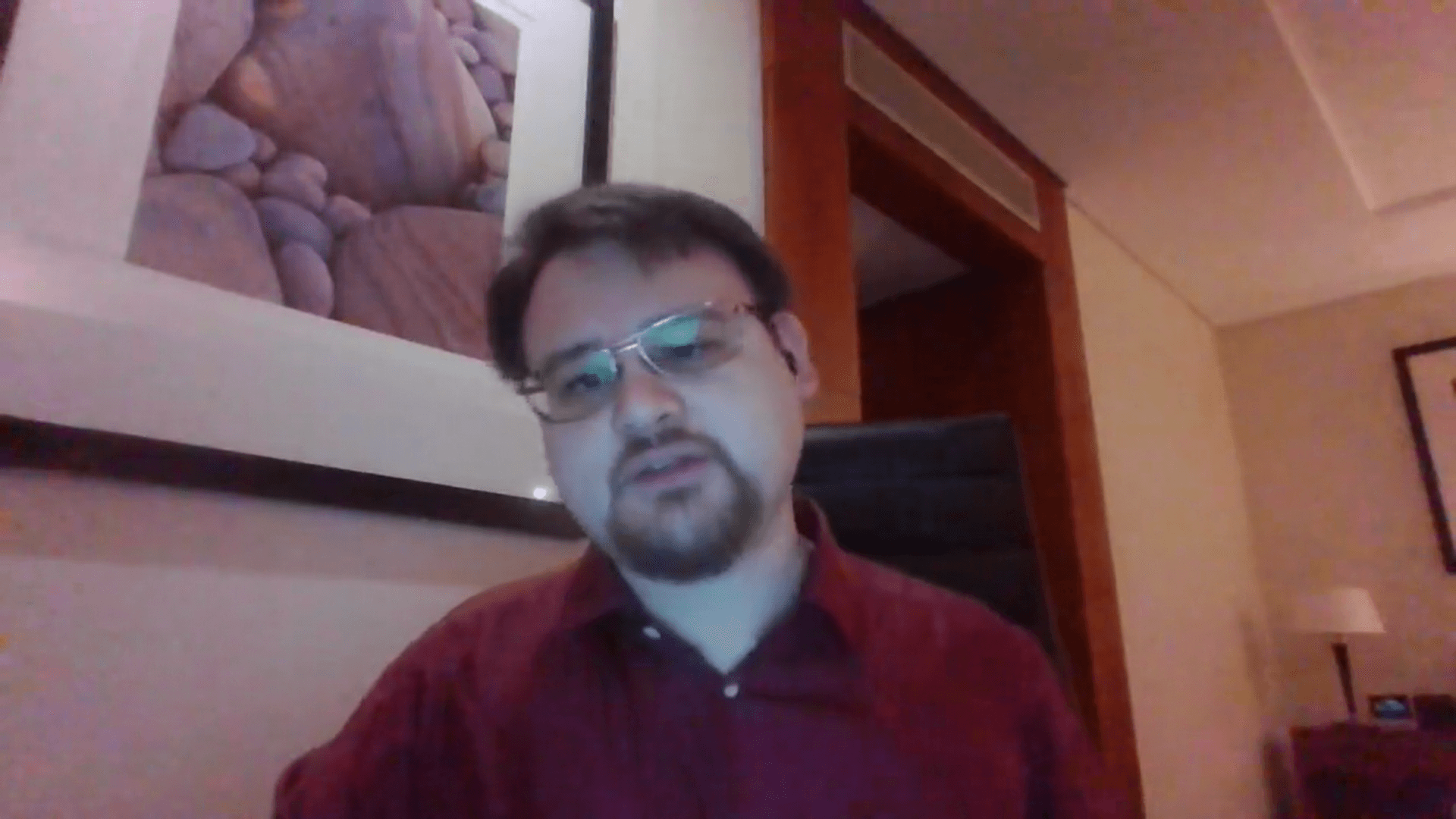

In this video, Dr Nicolai Due-Gunderson explores the advantages and disadvantages of basing your PhD on your Master’s topic. Whether you’re considering continuing your studies or are already on the path to pursuing a PhD, this video offers valuable insights to help you make an informed decision about your research direction.


Follow Marco T.P. Gontijo’s journey as he applied to PhD programs, received the prestigious Fulbright scholarship, and was accepted into a PhD program at Duke University in Molecular Genetics and Microbiology.

Applying to PhD programs can be confusing, and there is little advice about how to go about applying for them. This article offers three top tips for navigating the PhD application process and making yourself a strong applicant.


Learn how to get your ‘story straight’ when job-hunting after your PhD in this article by Holly Prescott. Discover the effective tool for PhD researchers that helped her identify her priorities and make a convincing narrative that landed her a role that suited her needs.
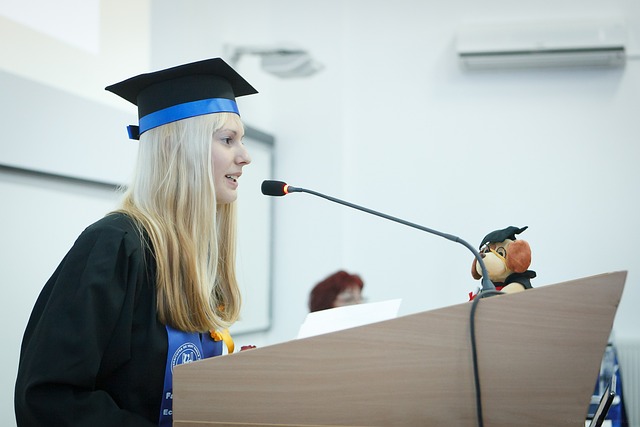

The idea of attending and presenting at academic conferences can seem incredibly intimidating for PhD students. Drawing on his wide range of experiences at conferences around the world, this PhD candidate provides advice and tips on applying, preparing, attending, and presenting at an academic conference. Remember to enjoy your brief time in the spotlight, and remember your presentation is really only a small element of the event!


Need guidance writing the reflexivity section of your thesis (or indeed writing reflexively throughout the thesis)? This article defines reflexivity as going beyond reflection to consider the influence of our positionality on our work. It covers three main types of reflexivity – personal reflexivity, methodological reflexivity and philosophical reflexivity – and includes some working examples to illustrate the thought processes and questions that facilitate transparency and rigor in research.
From the importance of taking breaks, finding a supportive group, to valuing yourself and networking, these tips will help you get through the rough times and make the most of your PhD experience.