
In this article, Jennie Riley shares how she tackled the writing-up process, including creating a timetable and breaking down her work into smaller goals, ultimately leading to a successful draft.


Are you taking the first steps into careers outside of academia? Anxious about selling yourself to a new audience post-PhD? This is normal, but with the right preparation you can knock your interview out of the park and stand out from the crowd! This article guides you through four important questions to prepare your answers for.

Discover Nayanna Mercado-Soto’s non-traditional path to pursuing a PhD in Biomedical Sciences by participating in a Postbaccalaureate Research Education Program (PREP). Read about how this program helped her gain research experience, improve her communication skills, and prepare for the grad school application cycle.

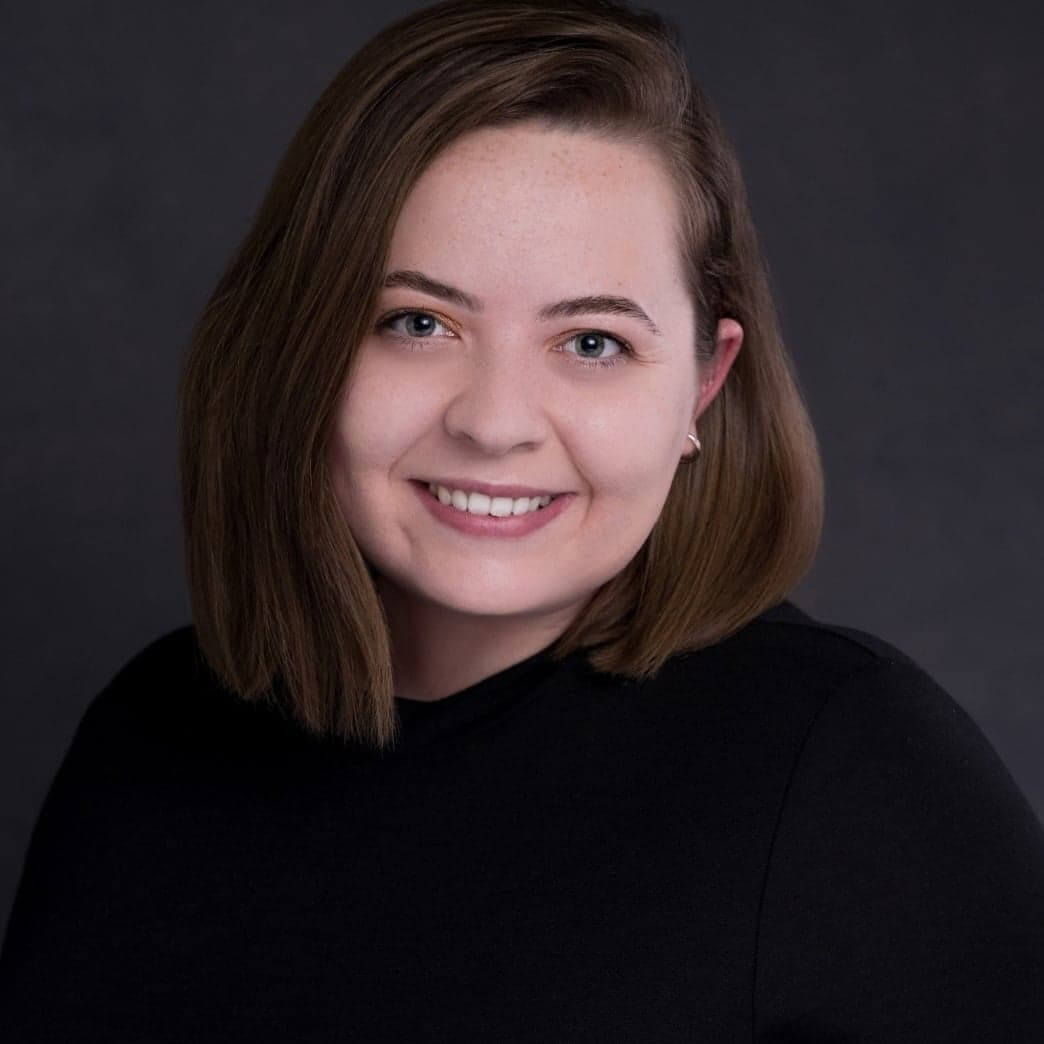
Jess Wythe talks about her experience with imposter syndrome, an issue that many in academia can relate to but is not often discussed. She discusses her feelings of self-doubt and inadequacy and how she learned to cope with them.

Learn how to get university funding for online courses. Real examples + a letter template to request support for your training.

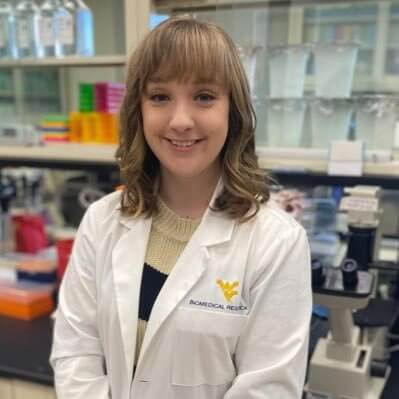
Navigating the unexpected departure of her advisor, Claire shares her tips on dealing with the challenges of this uncertainty during her PhD.

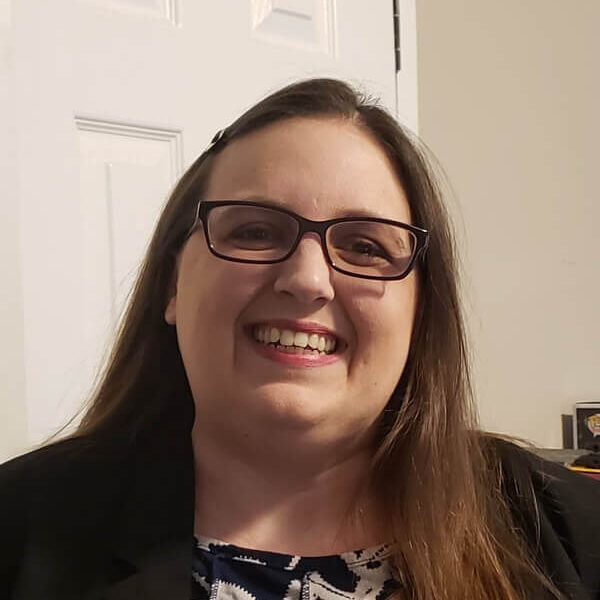
In this article, Jodie Boisvert discusses her experience with imposter syndrome during her journey to earning a PhD. She shares tips she learned from her professors and peers, including skimming reading materials to highlight key points and writing notes in the margins to enhance critical thinking skills.