
A former history MA graduate, Jim Hulbert, recounts how he went from traveling to working, and returning to academia. After some years of working, he decided to pursue a PhD, a journey that was jumpstarted during the COVID-19 pandemic when he was furloughed from work.
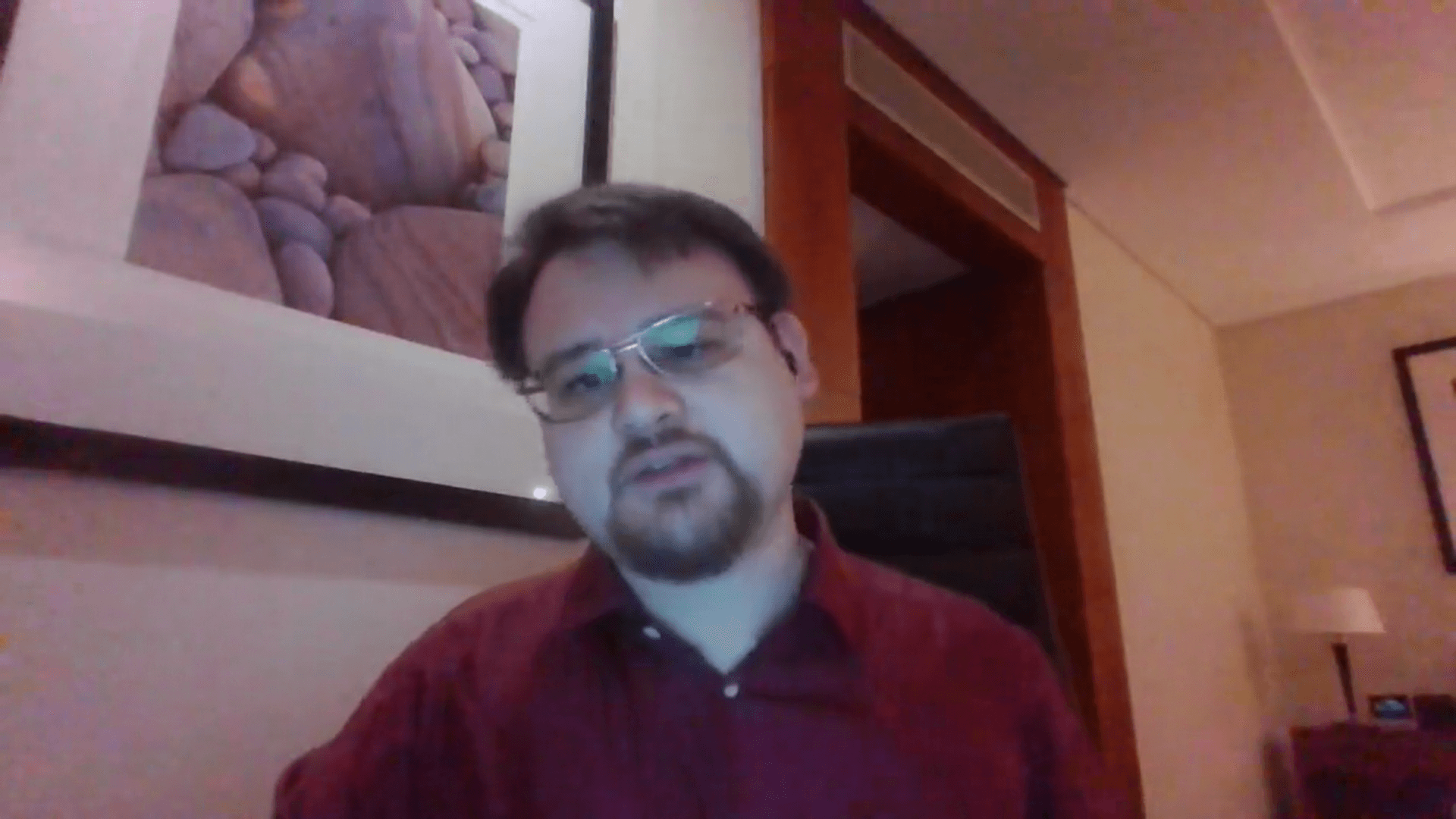
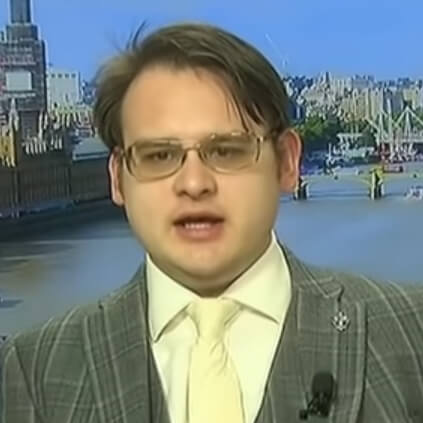
In this video, Dr Nicolai Due-Gunderson explores the advantages and disadvantages of basing your PhD on your Master’s topic. Whether you’re considering continuing your studies or are already on the path to pursuing a PhD, this video offers valuable insights to help you make an informed decision about your research direction.

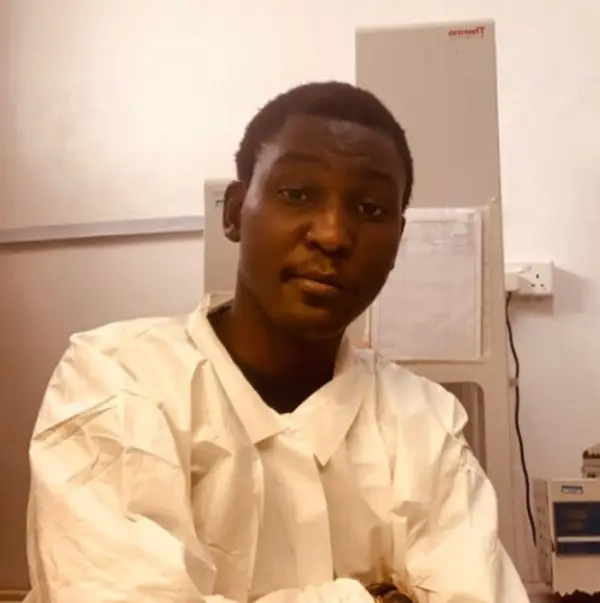
In this motivational article, the author reflects on their journey to securing a PhD in their home country of Nigeria after rejections abroad. They have come to see this redirection as a blessing in disguise. The article emphasises the importance of persistence and making the most of opportunities available to you, wherever that may be.
A former history MA graduate, Jim Hulbert, recounts how he went from traveling to working, and returning to academia. After some years of working, he decided to pursue a PhD, a journey that was jumpstarted during the COVID-19 pandemic when he was furloughed from work.

From the importance of taking breaks, finding a supportive group, to valuing yourself and networking, these tips will help you get through the rough times and make the most of your PhD experience.
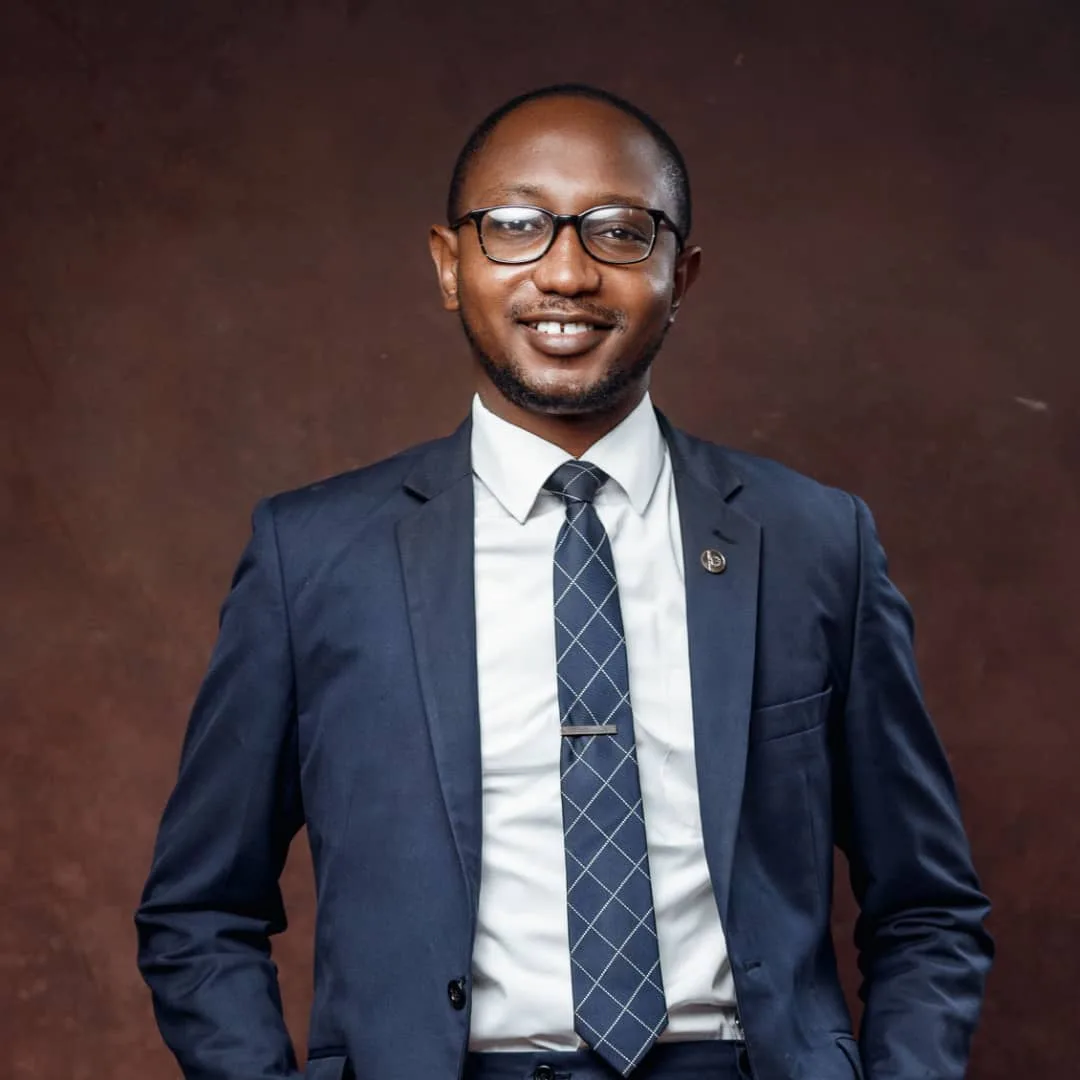
Mentors and supervisors are invaluable helpers on our PhD journey, yet this aspect of a PhD is often not considered enough to ensure they are the right fit for us. This article, from a Ghanian perspective, provides advice on finding and maintaining the right supervisors, who have the potential to completely transform one’s PhD journey into an enjoyable one. It reminds us that supervisors should be seen not as someone to try to replicate, but to springboard us into attaining our own personal goals.

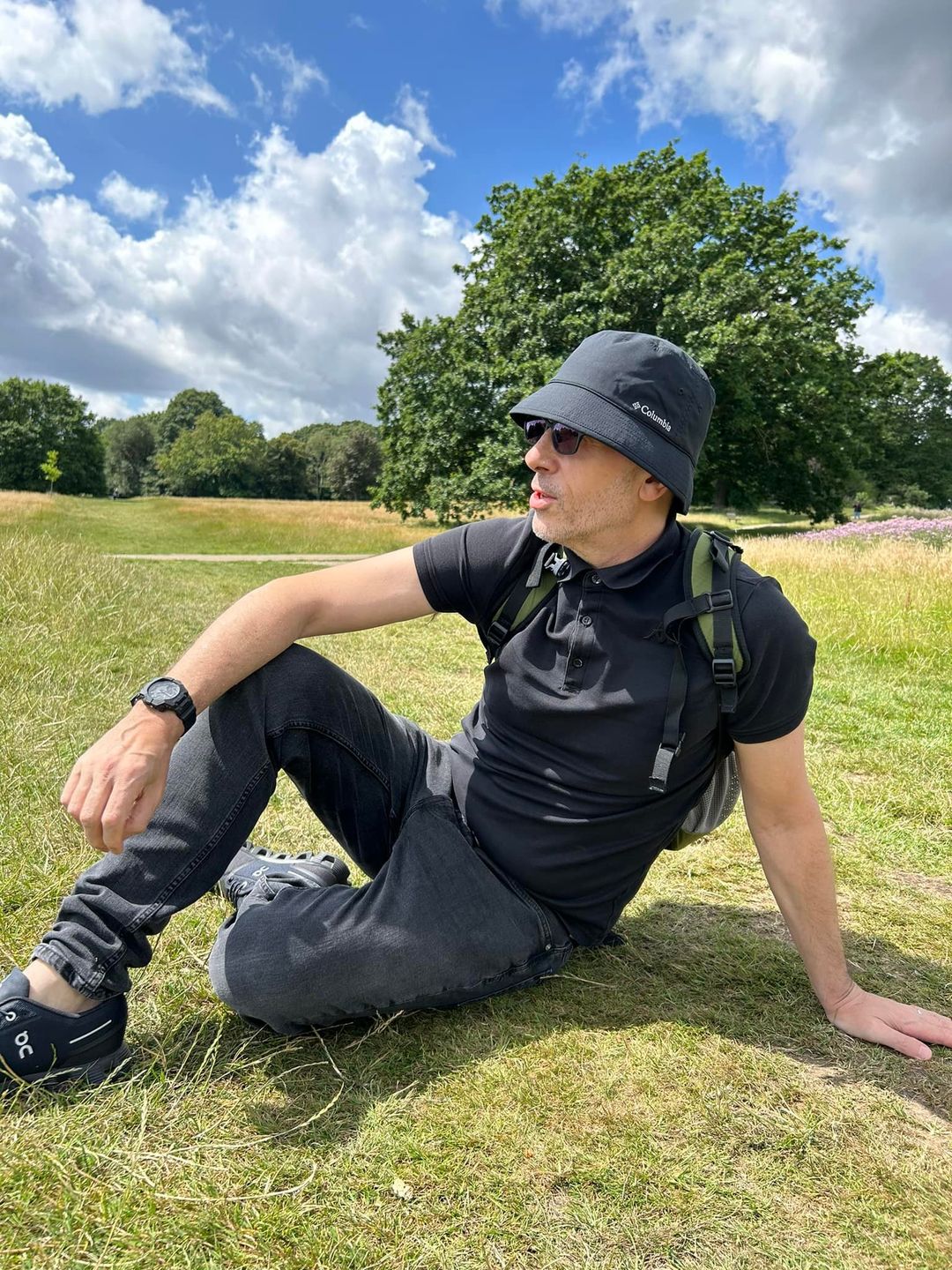
This article explores the experience of doing a part-time distance PhD in later life. The author’s age was an advantage, allowing them to focus on their thesis without distractions or major hiccups. The article reflects on how to make for a smooth doctorate – emphasising the importance of strong interest in your topic, supervisors who are easy to work with, and a bit of luck!
From the importance of taking breaks, finding a supportive group, to valuing yourself and networking, these tips will help you get through the rough times and make the most of your PhD experience.