
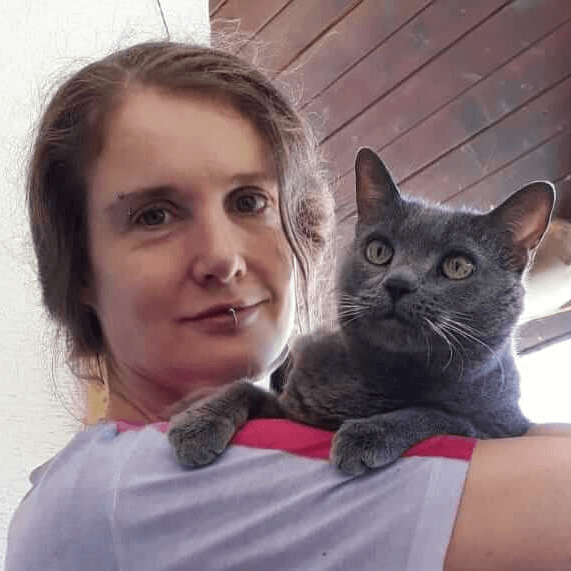

A former history MA graduate, Jim Hulbert, recounts how he went from traveling to working, and returning to academia. After some years of working, he decided to pursue a PhD, a journey that was jumpstarted during the COVID-19 pandemic when he was furloughed from work.
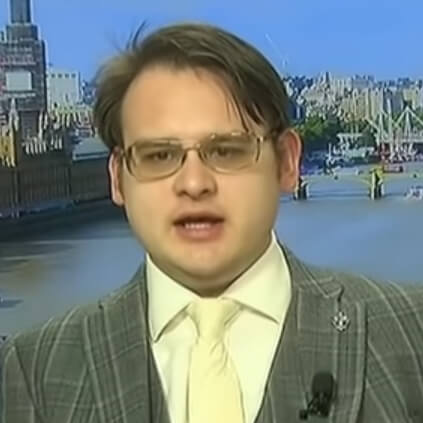
In this video, Dr Nicolai Due-Gunderson explores the advantages and disadvantages of basing your PhD on your Master’s topic. Whether you’re considering continuing your studies or are already on the path to pursuing a PhD, this video offers valuable insights to help you make an informed decision about your research direction.

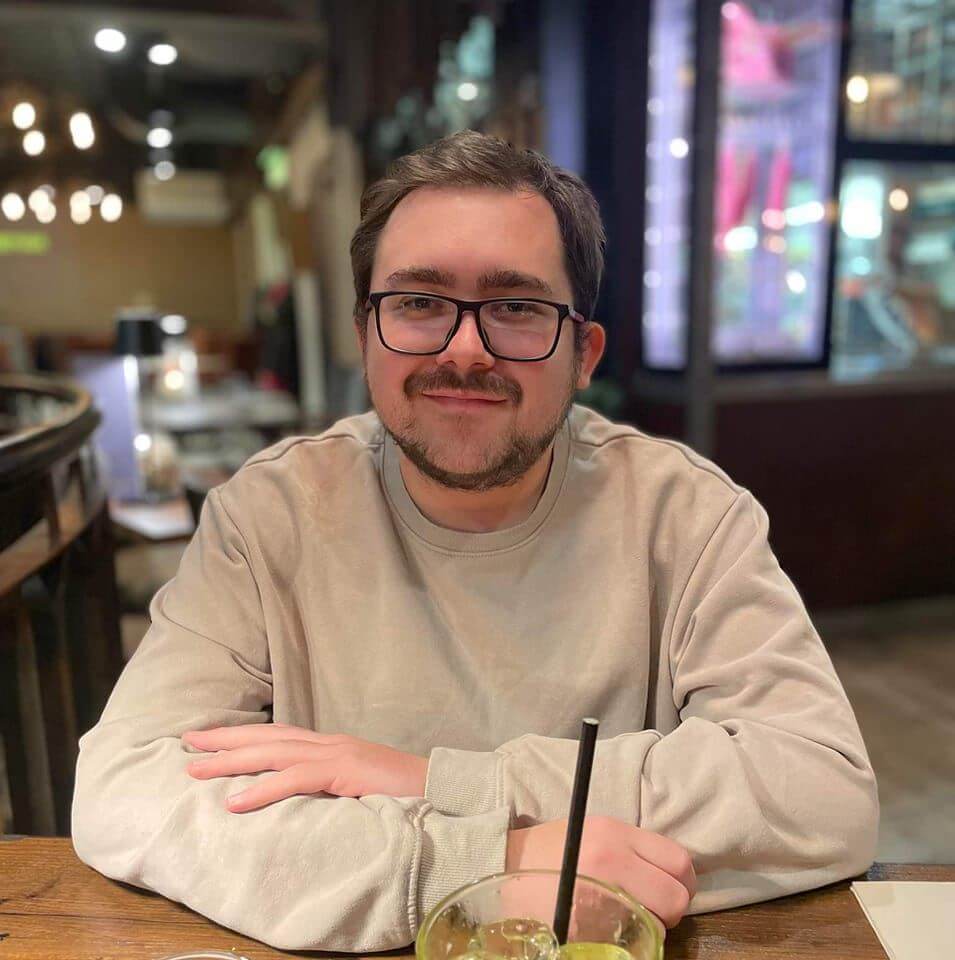
Anxiety is a debilitating condition that can make the simplest of tasks difficult, let alone a PhD. This empowering article follows Jake’s experience with anxiety during sixth form and university, and how once he discovered research he began to view anxiety as a superpower to keep his PhD pushing forwards. He shares anxiety-reducing techniques for when it gets too much, including affirmations and breath control, and emphasises the value of accepting anxiety in your life.


Ready to take the next step in your academic career with a PhD? Don’t miss out on these top tips for acing your PhD interview, from finding the right project to researching your supervisors and preparing for presentations.

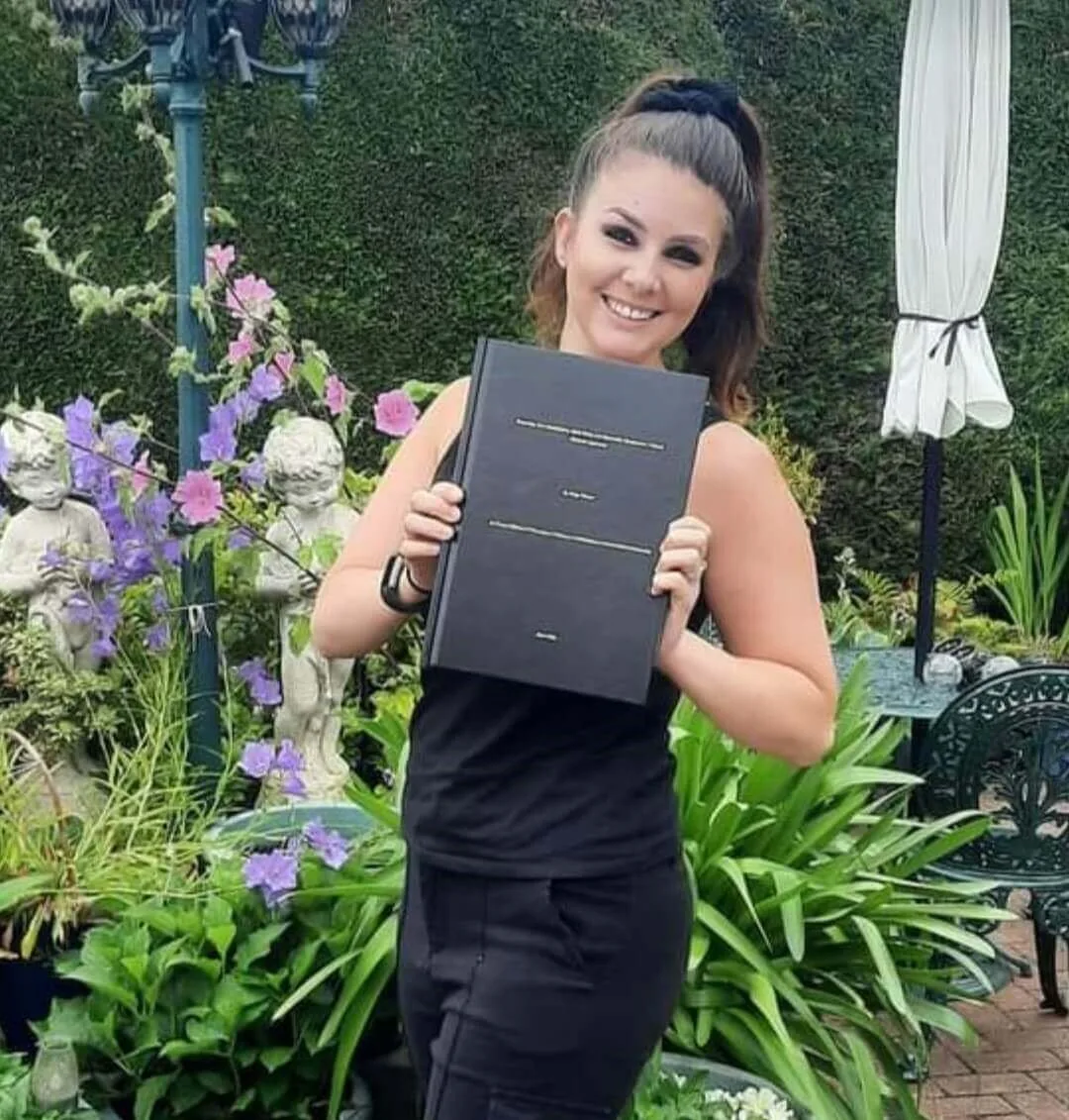
Are you thinking about using mixed methods (both quantitative and qualitative data) in your PhD? This article guides you through different ways of doing mixed methods PhD research, from proposal writing to collecting and analysing data. It emphasises the importance of rigor in mixed methods research and how to achieve this.

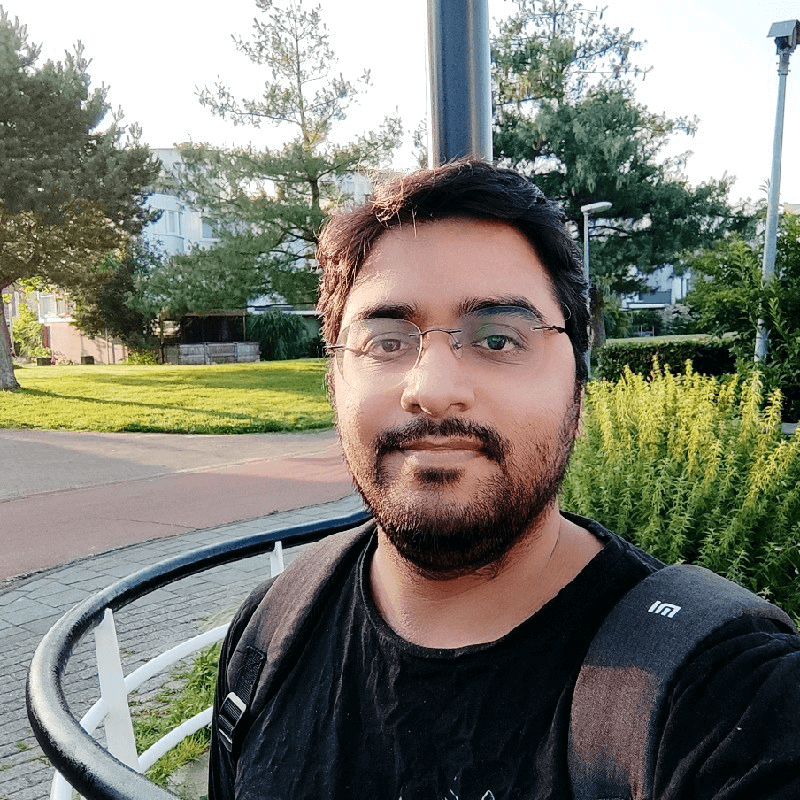
Anmol Gupta shares his personal and insightful journey through the PhD experience. Follow his reflections on interdisciplinary research, overcoming obstacles and realizing long-term goals.
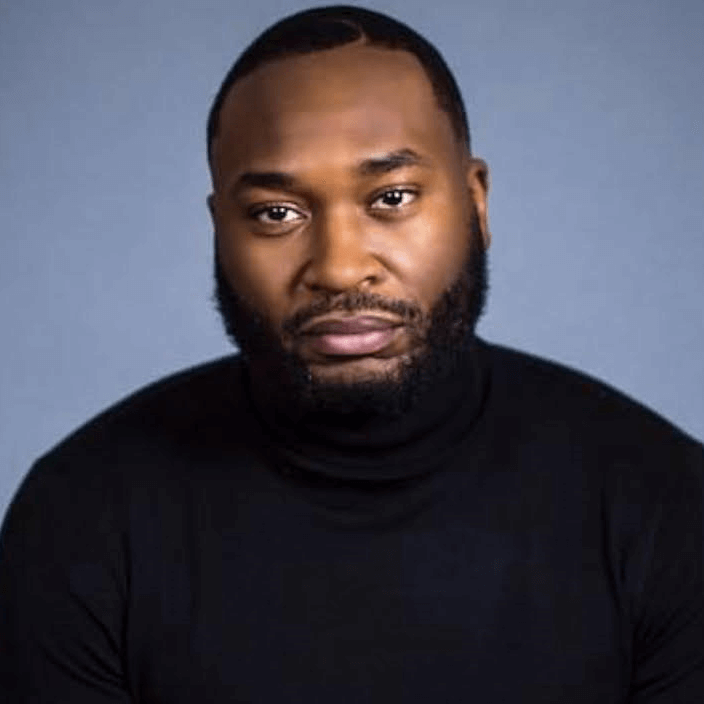
In this article, Rohan Samuels talks about his personal experience dealing with imposter syndrome and personal insecurities during his doctoral journey and how he overcame them by embracing who he truly was. He suggests that the battle with the “inner-you” is an illusion and encourages doctoral students to be authentic and recognize their self-worth.


Navigating the unexpected departure of her advisor, Claire shares her tips on dealing with the challenges of this uncertainty during her PhD.