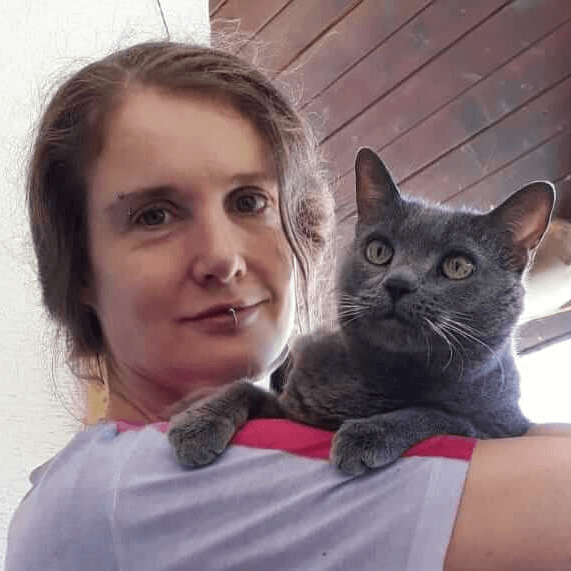

Kris lives in Berlin, Germany, while completing her PhD in Anthrozoology from the University of Exeter, UK. She completed an MA via distance-learning and embarked on her doctoral studies while working full-time in an unrelated field. This midlife career change would not have been possible if she had needed to relocate to a campus. Kris’s research interests include more-than-human cultures, urban animals, domestication, multispecies families, griefwork, and animals in tourism, with a focus on cats. She is currently looking for an academic position. You can find her contact information and read more about Kris’ research and collaborative projects here: https://katzenlife.wordpress.com/

Your Academic Journey

Applications and Funding

Career and Networking

Thesis and Dissertation

Will distance-based PhDs replace the on-campus experience?

Kris Hill attempts to convince you that inclusion of distance-based post-graduate researchers (PGRs) benefits everyone, including those who are campus-based. Kris explains why inclusion of your distance-based peers is so important to the entire research community and how it is not a threat to the campus experience.

Read More »

It’s Your PhD: How to Deal With Unhelpful Advice

This article explores how advice, whether solicited or unsolicited, can damage the morale and hope of those doing a PhD. The purpose of this article is to comment on the boundaries that researchers must put in place to avoid being negatively affected: we must be discerning as to whether advice is useful and pertinent, or whether it is not applicable to us. The main message is: don’t listen to everyone, and trust your own judgement!

Read More »

Realising I Have ADHD During My PhD: A Hidden Battle

This article details the experience of a Professional Doctorate student (and full-time working parent) suddenly becoming aware that she has ADHD – being given a new, neurodivergent lens through which to see herself, and the additional challenges (and solutions) that it brings to a PhD journey. The article offers solutions for coping with a neurodivergent brain in a world generally designed for neurotypical ways of functioning.

Read More »

Preparing For Your PhD Interview

Ready to take the next step in your academic career with a PhD? Don’t miss out on these top tips for acing your PhD interview, from finding the right project to researching your supervisors and preparing for presentations.

Read More »
Your contribution to our PhD Stories helps us disseminate valuable support to researchers worldwide.
Update cookies preferences