



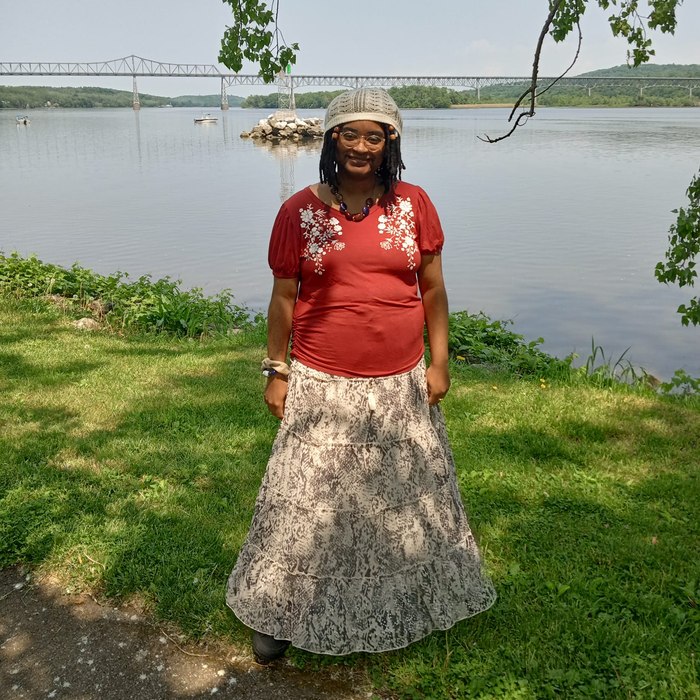
Are you studying for a PhD abroad? Are you worried about integrating meaningfully into your PhD life in a different country? In this article, Dai Wenqi explores how to socialise and adapt to a new culture during your PhD abroad, providing advice from her lived experiences to help you enjoy your doctoral life to the fullest. This includes respecting and engaging with the culture of your host country, learning the language (but forgo the pressure of perfect fluency), and leaning into your unique personal charm.


Ready to take the next step in your academic career with a PhD? Don’t miss out on these top tips for acing your PhD interview, from finding the right project to researching your supervisors and preparing for presentations.

Applying to PhD programs can be confusing, and there is little advice about how to go about applying for them. This article offers three top tips for navigating the PhD application process and making yourself a strong applicant.


A former history MA graduate, Jim Hulbert, recounts how he went from traveling to working, and returning to academia. After some years of working, he decided to pursue a PhD, a journey that was jumpstarted during the COVID-19 pandemic when he was furloughed from work.


Spoken communication is a critical skill in academia, requiring clarity, engagement, and adaptability to effectively share research or teach complex concepts. Whether you’re presenting research or explaining scientific principles to students, these tips can help you communicate with confidence and impact.


Want to learn the dos and don’ts of effective networking at academic conferences? This article outlines five steps to maximise your networking potential, complete with template messages to send to your desired connections before and after the event. The article emphasises the importance of manners, personal space, and picking your moments accordingly.
Are you studying for a PhD abroad? Are you worried about integrating meaningfully into your PhD life in a different country? In this article, Dai Wenqi explores how to socialise and adapt to a new culture during your PhD abroad, providing advice from her lived experiences to help you enjoy your doctoral life to the fullest. This includes respecting and engaging with the culture of your host country, learning the language (but forgo the pressure of perfect fluency), and leaning into your unique personal charm.


Get insights into preparing for the transfer viva, an important step in your research journey, from someone who has gone through it. Learn how to focus on your contributions to knowledge, practice your presentation without overdoing it, and trust that you know your research better than anyone else.