
This article highlights the issue of unclear and unpredictable application processes for postdoctoral opportunities in the UK and beyond. Drawing on philosophical concepts like hauntology, it calls for universities to honour (or refrain from setting!) their ‘outcome announcement’ dates, as this would alleviate disappointment and foster greater fairness and transparency in postdoctoral applications.

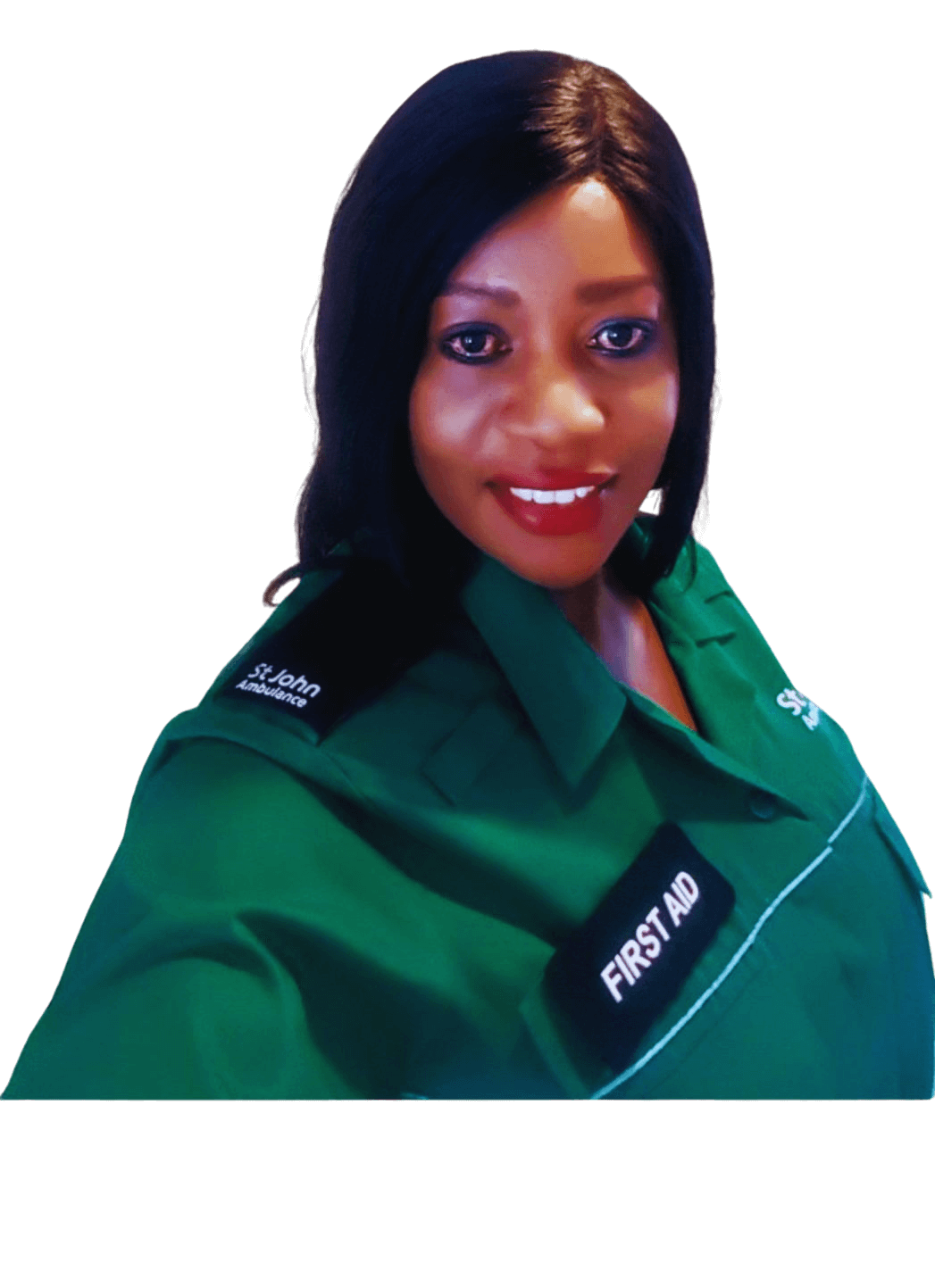
This article takes the reader on a journey of a doctoral student, from applications, interviews, and building a relationship with supervisors, to coming full circle by mentoring other students starting out and facing challenges. The writer shares their advice and their own personal experience of each stage, including their fulfilling mentoring work promoting awareness of mental wellbeing among PhD students.


Are you thinking about using mixed methods (both quantitative and qualitative data) in your PhD? This article guides you through different ways of doing mixed methods PhD research, from proposal writing to collecting and analysing data. It emphasises the importance of rigor in mixed methods research and how to achieve this.


Are you applying for a PhD program in a new country and feeling overwhelmed? This article offers some top tips on how to successfully navigate the international waters to help yourself thrive abroad! Important considerations include researching the right country/university fit for you, giving plenty of time to getting a residence permit, and helping yourself feel part of a community in your new city.


Are you overwhelmed by writing demands of academic study? Nathan H. Clarke explores how joining an online writing group can support you during your PhD, an overlooked resource that can help you achieve success in your PhD studies.

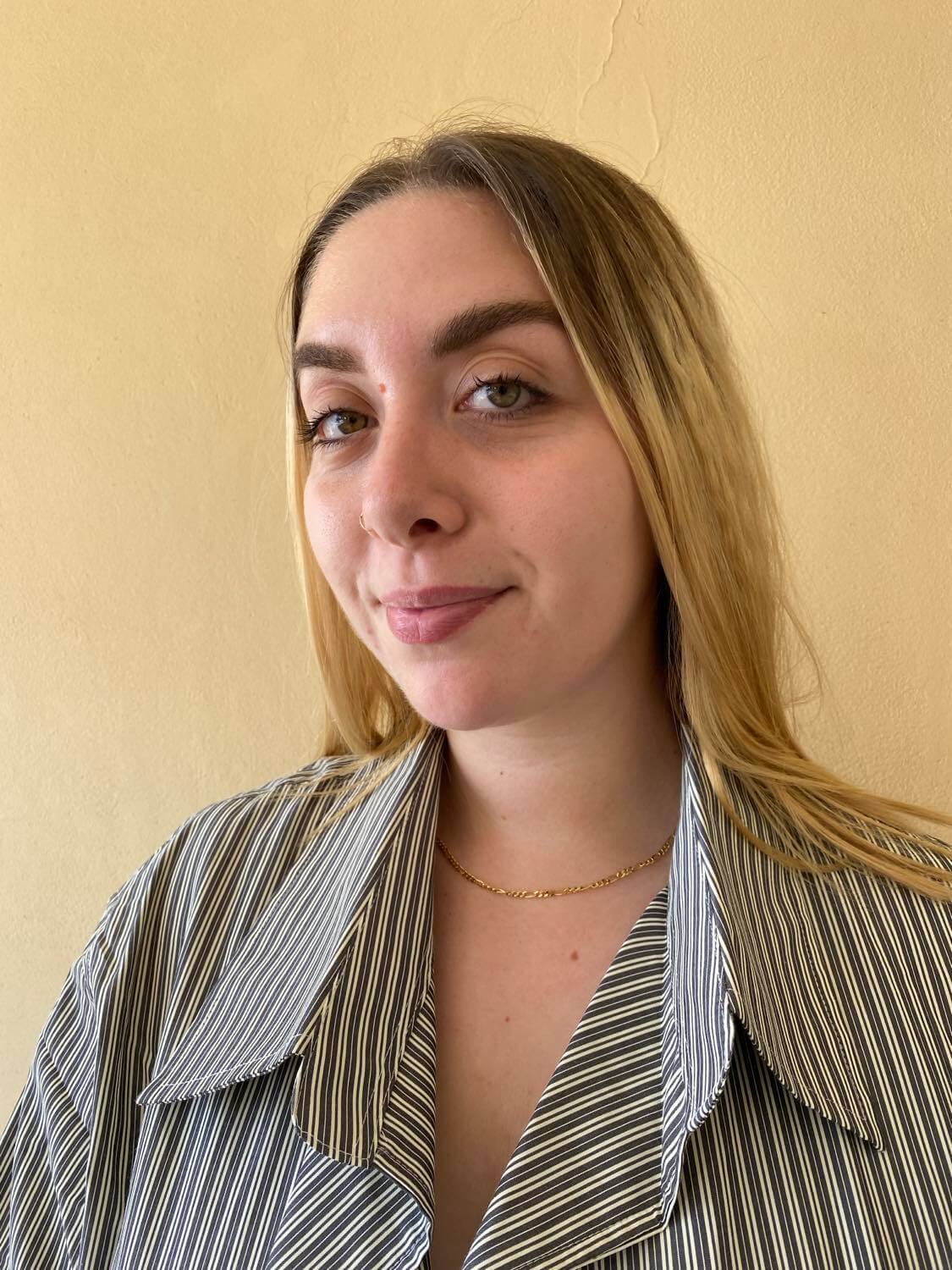
Ever spent years in a degree you were not happy with? This PhD student has, and she advocates for being brave enough to choose personal fulfilment over societal expectations and conventional timelines. In this article, she shares her breakthrough in changing academic direction to a path that better aligns with her passions, and offers empowering words to others who may be in a similar situation.

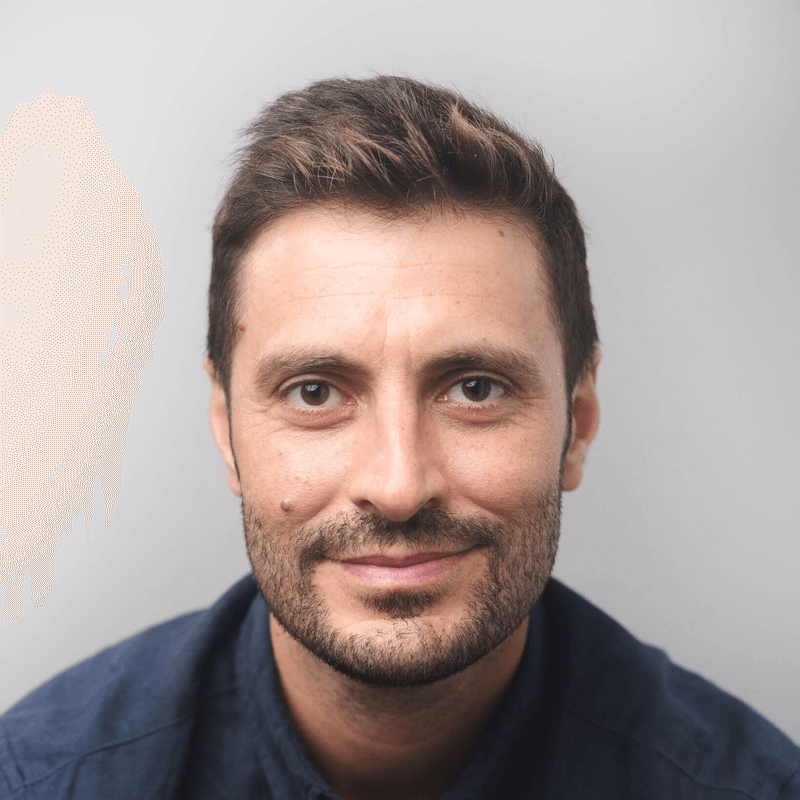
Mentorship is key to success in non-academic careers. Matteo Tardelli shares how you can seek guidance from industry experts and alumni outside of academia. With dedication and persistence, anyone can find the right mentor to thrive in their chosen field.


In this article, Melissa Vasi shares her experience of having a supportive and understanding supervisor during her PhD journey. She explains how being a supervisor is not just limited to correcting a thesis, but also being a mentor and friend.