


This article suggests a number of places to start, such as building a good relationship with your supervisor, networking with your peers, planning your move and checking out any additional course requirements.


Learn about the similarities between pursuing a PhD in a research field and launching a startup business. From selecting a viable research topic to marketing your work, PhD students and entrepreneurs have overlapping skills and mindsets that can lead to success. Read more to find out how PhD students can learn from entrepreneurial techniques to achieve success in academia.


Are you studying for a PhD abroad? Are you worried about integrating meaningfully into your PhD life in a different country? In this article, Dai Wenqi explores how to socialise and adapt to a new culture during your PhD abroad, providing advice from her lived experiences to help you enjoy your doctoral life to the fullest. This includes respecting and engaging with the culture of your host country, learning the language (but forgo the pressure of perfect fluency), and leaning into your unique personal charm.

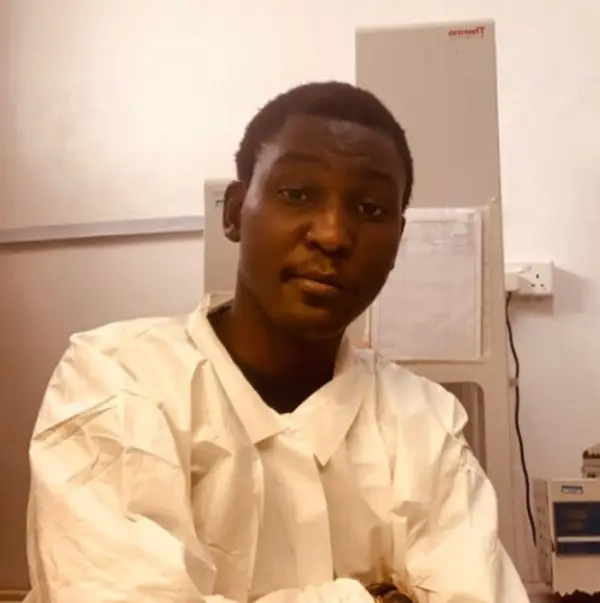
In this motivational article, the author reflects on their journey to securing a PhD in their home country of Nigeria after rejections abroad. They have come to see this redirection as a blessing in disguise. The article emphasises the importance of persistence and making the most of opportunities available to you, wherever that may be.
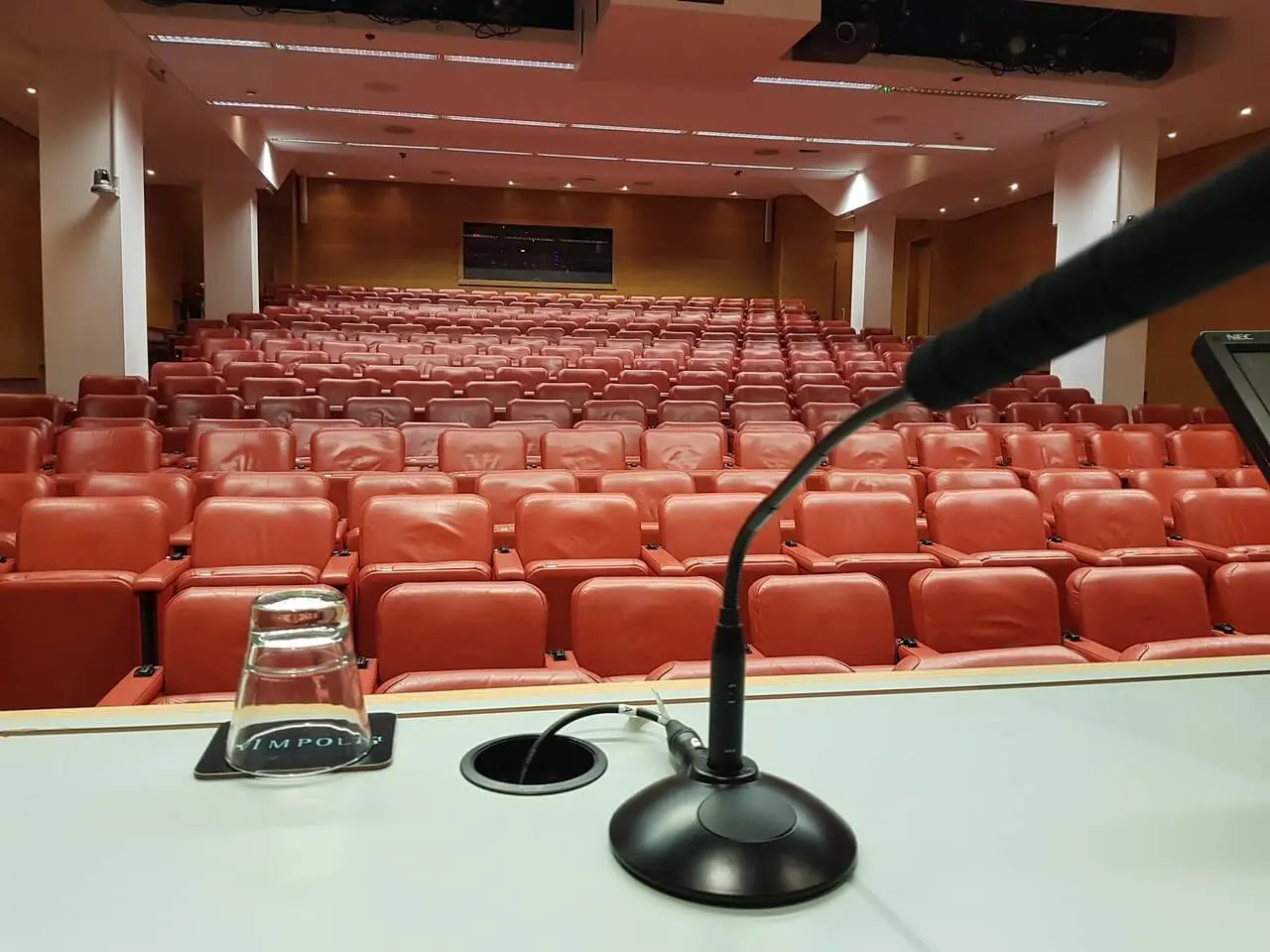

Landing a lecturing role after a PhD can be difficult, and rejection is commonplace. To lower the chances of rejection, it is important to focus on your career planning and gain experience as early into your PhD as possible. Therefore, if you are serious about becoming a lecturer, here are four things you can start doing now.

Not sure of your options after your PhD? Confused by the different academic job titles, and how they relate to PhD students? Check out these five academia-oriented job options you can consider.


Dr Due-Gundersen outlines how to publish your thesis as a peer-reviewed book.


From the importance of taking breaks, finding a supportive group, to valuing yourself and networking, these tips will help you get through the rough times and make the most of your PhD experience.