

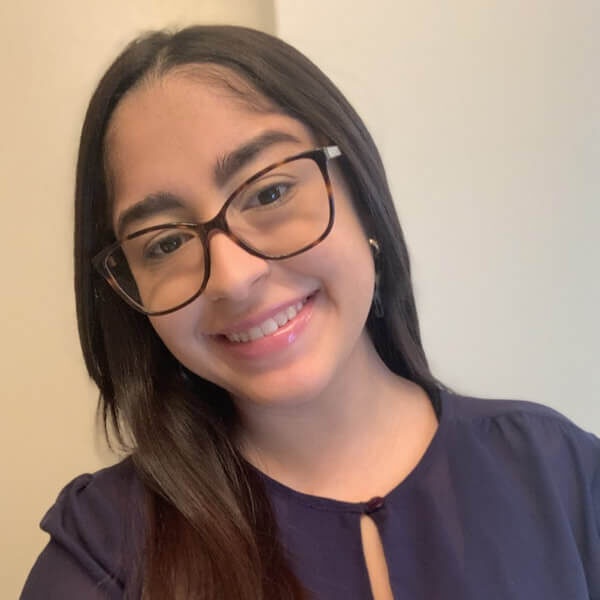
Discover Nayanna Mercado-Soto’s non-traditional path to pursuing a PhD in Biomedical Sciences by participating in a Postbaccalaureate Research Education Program (PREP). Read about how this program helped her gain research experience, improve her communication skills, and prepare for the grad school application cycle.
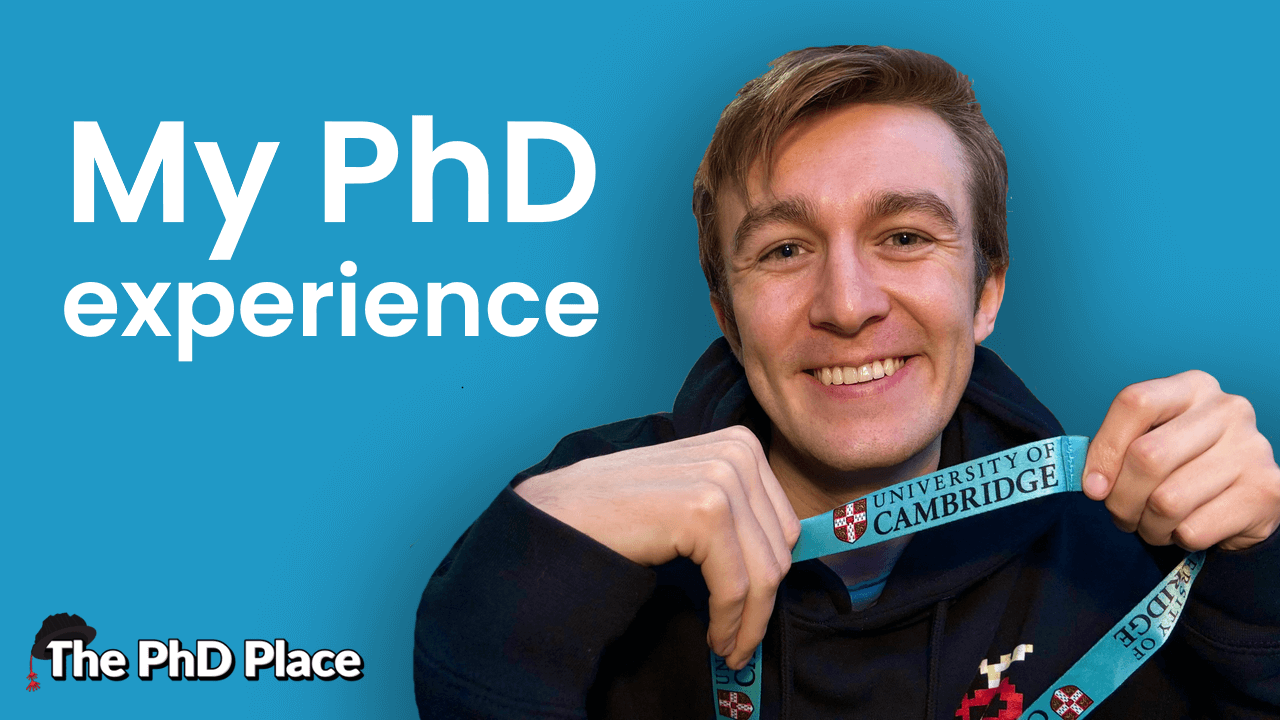

Meet Cameron, a PhD student from Cambridge University. In this video, he shares his experiences and offers valuable tips to help you make the most of your own academic journey. Join him as he provides insights and guidance for navigating the challenges of pursuing a PhD.


In this motivational article, the author reflects on their journey to securing a PhD in their home country of Nigeria after rejections abroad. They have come to see this redirection as a blessing in disguise. The article emphasises the importance of persistence and making the most of opportunities available to you, wherever that may be.
Discover Nayanna Mercado-Soto’s non-traditional path to pursuing a PhD in Biomedical Sciences by participating in a Postbaccalaureate Research Education Program (PREP). Read about how this program helped her gain research experience, improve her communication skills, and prepare for the grad school application cycle.


A PhD alone can’t give you all the skills and networks you will need to be competitive in the job market. This article guides you through four important benefits of real-world experience during your PhD, and how you can go about gaining this.

Not sure of your options after your PhD? Confused by the different academic job titles, and how they relate to PhD students? Check out these five academia-oriented job options you can consider.


Mentors and supervisors are invaluable helpers on our PhD journey, yet this aspect of a PhD is often not considered enough to ensure they are the right fit for us. This article, from a Ghanian perspective, provides advice on finding and maintaining the right supervisors, who have the potential to completely transform one’s PhD journey into an enjoyable one. It reminds us that supervisors should be seen not as someone to try to replicate, but to springboard us into attaining our own personal goals.

Mentorship is key to success in non-academic careers. Matteo Tardelli shares how you can seek guidance from industry experts and alumni outside of academia. With dedication and persistence, anyone can find the right mentor to thrive in their chosen field.