
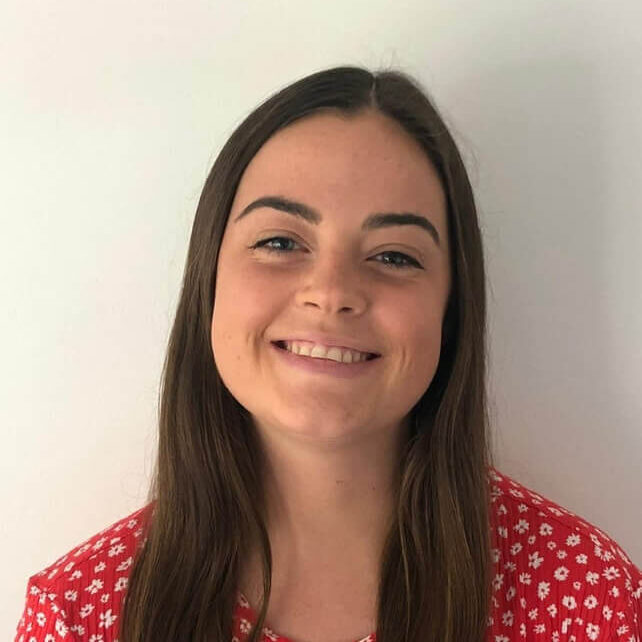

Hannah Ryan (She/ Her) is a doctoral researcher in Sociology and Policy at the School of Languages and Social Sciences, Aston University. Her research explores the visual portrayal of refugees and asylum seekers in British newspapers, drawing on an intersectional framework which examines the impact of gender, race, religion and age on visual representation. Follow her on Twitter: @HannahRyan22

Lessons I Have Learnt From My PhD

Hannah Ryan shares her valuable experiences and lessons learnt throughout her PhD journey. She emphasizes the importance of engaging in other activities besides research, combating loneliness, maintaining good relationships with supervisors, consistent writing and using rejections as learning experiences.

Read More »

Non-Academic Job Interviews: 4 Questions to Get Ready For

Are you taking the first steps into careers outside of academia? Anxious about selling yourself to a new audience post-PhD? This is normal, but with the right preparation you can knock your interview out of the park and stand out from the crowd! This article guides you through four important questions to prepare your answers for.

Read More »

Navigating Reflexivity: A Guided Example to Move Beyond Reflection

Need guidance writing the reflexivity section of your thesis (or indeed writing reflexively throughout the thesis)? This article defines reflexivity as going beyond reflection to consider the influence of our positionality on our work. It covers three main types of reflexivity – personal reflexivity, methodological reflexivity and philosophical reflexivity – and includes some working examples to illustrate the thought processes and questions that facilitate transparency and rigor in research.

Read More »

How to Handle the Jump Straight from Undergrad to PhD 

Are you considering going straight from an undergraduate degree to a PhD, skipping the master’s? At 22 years old, Tess shares her experience of this and provides some valuable insights about how she prepared and applied for her PhD in Computing without doing a master’s degree.

Read More »
Your contribution to our PhD Stories helps us disseminate valuable support to researchers worldwide.
Update cookies preferences