
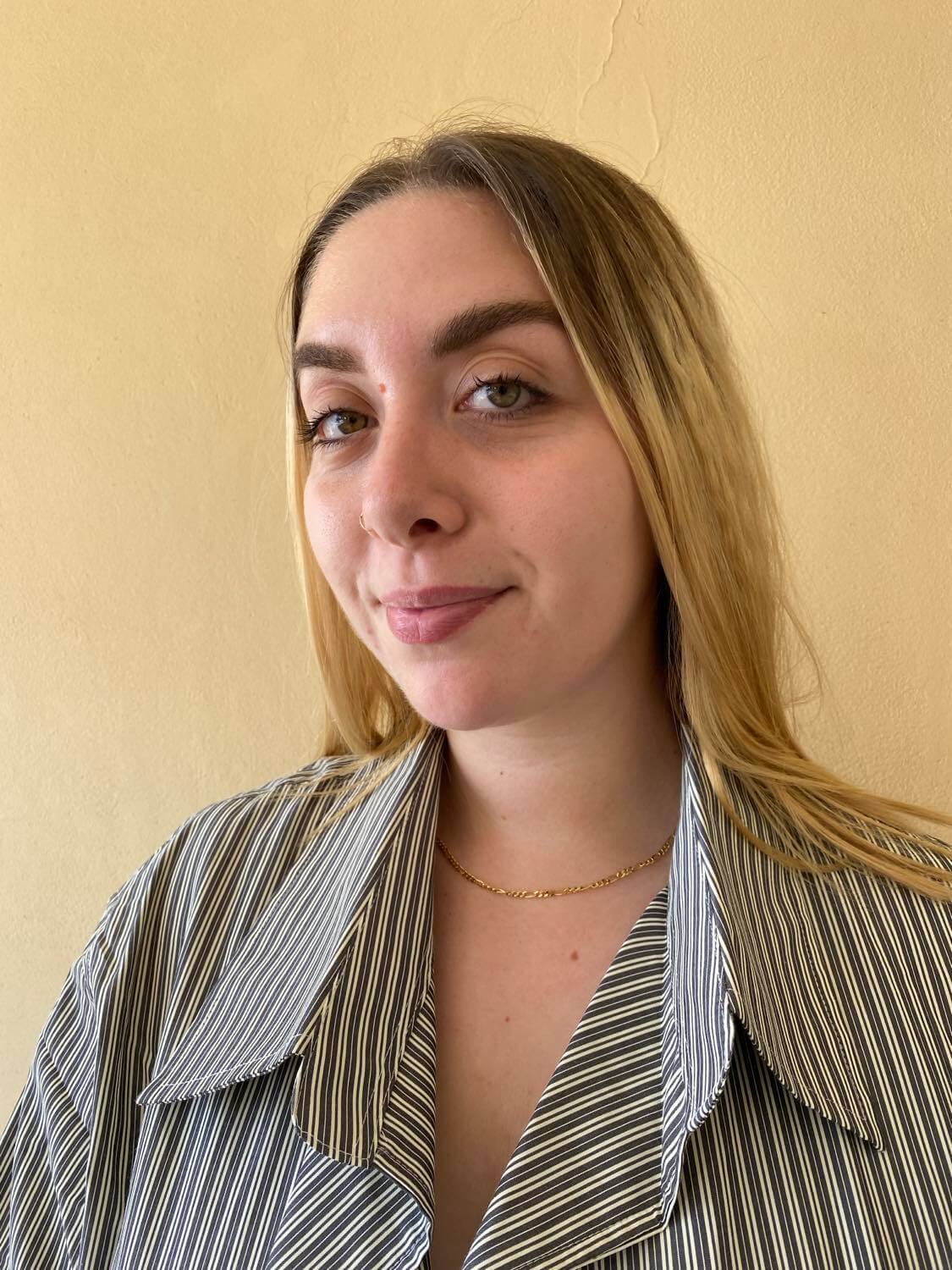

Lucy Shahabian is a PhD student at the Cyprus Institute of Neurology and Genetics, with 5 years of research and laboratory work expertise through her studies. She holds a Bachelor’s degree in Human Biology from the University of Nicosia, and a Master’s degree in Molecular Medicine from the Cyprus Institute of Neurology and Genetics. She is currently working on her PhD project, where she is investigating the link between Alzheimer’s Disease (AD) and Type II Diabetes through murine models of AD, and the possible use of diabetic pharmacological intervention to alleviate or slow down the symptoms of the disease. Lucy has also participated in several science communication consortiums, both in the organizing committees and also as a speaker in conferences.

Changing Degrees and Pursuing My Own Passions: My Journey to a Fulfilling PhD 

Ever spent years in a degree you were not happy with? This PhD student has, and she advocates for being brave enough to choose personal fulfilment over societal expectations and conventional timelines. In this article, she shares her breakthrough in changing academic direction to a path that better aligns with her passions, and offers empowering words to others who may be in a similar situation.

Read More »

Turning Research Papers into a Podcast: Productivity Hacks

What if there was an alternative to reading when your eyes need a rest, or while waiting for coffee, or sitting in traffic? SciSpace’s innovative podcast tool transforms your research paper backlog into bite-sized audio summaries. Turn idle moments into productive learning sessions by listening to key research insights while cooking, commuting, or exercising – helping you decide which papers deserve your full attention.

Read More »

They Said I Was ‘Too Old’ – My PhD Journey

Donna L. Halper’s PhD journey began after she lost her job in radio and wanted to reinvent herself as a full-time educator. However, being in her 50s and a woman applicant meant that she faced rejection from several universities, making her determined to prove them wrong.

Read More »
Your contribution to our PhD Stories helps us disseminate valuable support to researchers worldwide.
Update cookies preferences