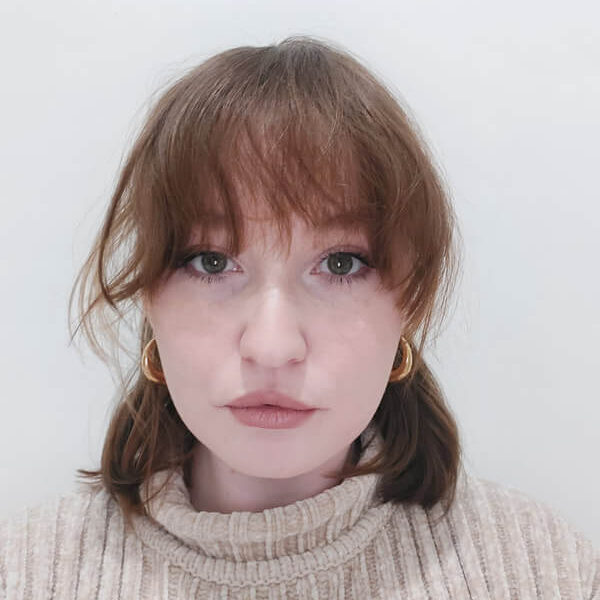

Olivia (Liv) is a PhD Archaeology student at the University of Liverpool and a current humanities tutor at cactustutoring.com. Originally from North Wales and has previously studied at the Department of Archaeology at the University of Reading. She is currently working on a project about human sacrifice in early urban communities of the Ancient Near East and China with a specific interest in the involvement of the female body in sacrificial rites in response to William Beer and Nancy Joy. Research interests include Ancient Near East and Prehistoric Archaeology, burial archaeology, ritual theory, cognitive archaeology and osteological evidence of trauma. She is also very interested in philosophy, psychology and ritual in archaeological contexts. Follow her on Twitter: @Iam_livin

Floundering First Steps: The First Month Of Starting A PhD

Starting a PhD can be daunting at the best of times, but even more so during a pandemic. In this article, Olivia Eve Arkley shares her experiences and advice for making the most of the first month of a PhD, including practical tools and mental skills to aid completion. She also discusses the importance of becoming part of the academic community and carving out your own place within it.

Read More »

Data Collection In Sensitive Situations

The ethical implications of field research require careful consideration and reflexivity. Chukwudi Njoku offers some reflections of his PhD fieldwork on the pastoralists-farmers conflict in Benue and Taraba States, Nigeria.

Read More »

It’s Your PhD: How to Deal With Unhelpful Advice

This article explores how advice, whether solicited or unsolicited, can damage the morale and hope of those doing a PhD. The purpose of this article is to comment on the boundaries that researchers must put in place to avoid being negatively affected: we must be discerning as to whether advice is useful and pertinent, or whether it is not applicable to us. The main message is: don’t listen to everyone, and trust your own judgement!

Read More »
Your contribution to our PhD Stories helps us disseminate valuable support to researchers worldwide.
Update cookies preferences