

The ethical implications of field research require careful consideration and reflexivity. Chukwudi Njoku offers some reflections of his PhD fieldwork on the pastoralists-farmers conflict in Benue and Taraba States, Nigeria.

In this article, Bettina Lier shares her experience of applying for a PhD scholarship and how she initially found the application process overwhelming. With the support of her supervisor she overcame her doubts, and successfully completed the proposal. Her story is a great example of how with the right mindset and support, we can overcome any challenge.

In this reflective article, Gemma Rides shares her PhD experience so far and provides advice for new PhD students. She discusses the importance of talking to supervisors and other students, getting into a routine, celebrating small achievements, and remembering that a PhD is more than just writing a thesis.

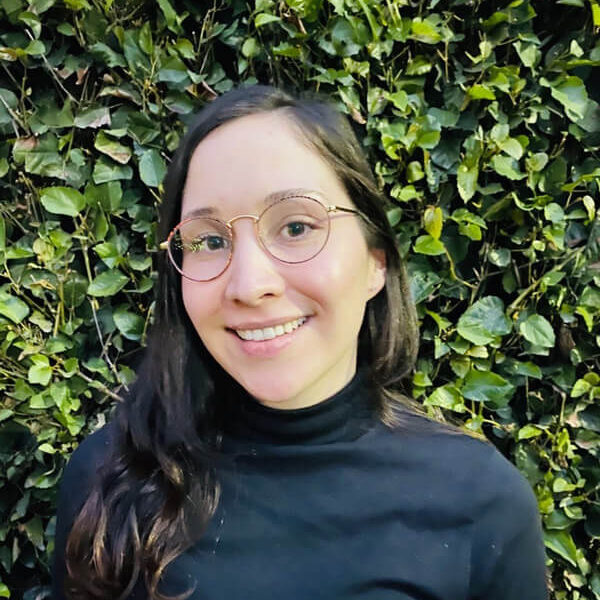
Karen, who recently started her PhD at the University of Leeds, reflects on her experiences adjusting to life in the UK, including the language barrier, slower pace of life, and the complexities of the PhD journey. She shares the struggles of finding her research direction, fighting gender stereotypes in academia, and the fears that come with being an international student.


From selecting the right program and advisor to managing stress and staying motivated, this article offers a comprehensive guide to support future PhD students with insights and tips to navigate each phase of the doctoral process. With an engaging and supportive tone, this roadmap aims to inspire confidence and enthusiasm, equipping students with the tools they need to embark on this exciting and challenging adventure.

Interested in Artificial Intelligence tools to supercharge your PhD experience? Look no further than SciSpace for AI assistance dedicated to academic research. This article guides you through the different ways that SciSpace can help you.