

Get insights from a PhD candidate’s reflective diary on the process of starting, struggling with, and ultimately completing a doctoral research project. Discover the trials and tribulations of getting ethical approval, recruiting participants, and navigating the pandemic while working towards a degree.

The SciSpace Library is built to help you organise research papers, pull out what matters, and actually understand the papers you are working with. It turns a mess of PDFs into something searchable, interactive, and manageable without the constant back-and-forth between tabs, folders, and notes. In this blog post, we will introduce SciSpace Library and outline the various ways in which you can use it and its key features.
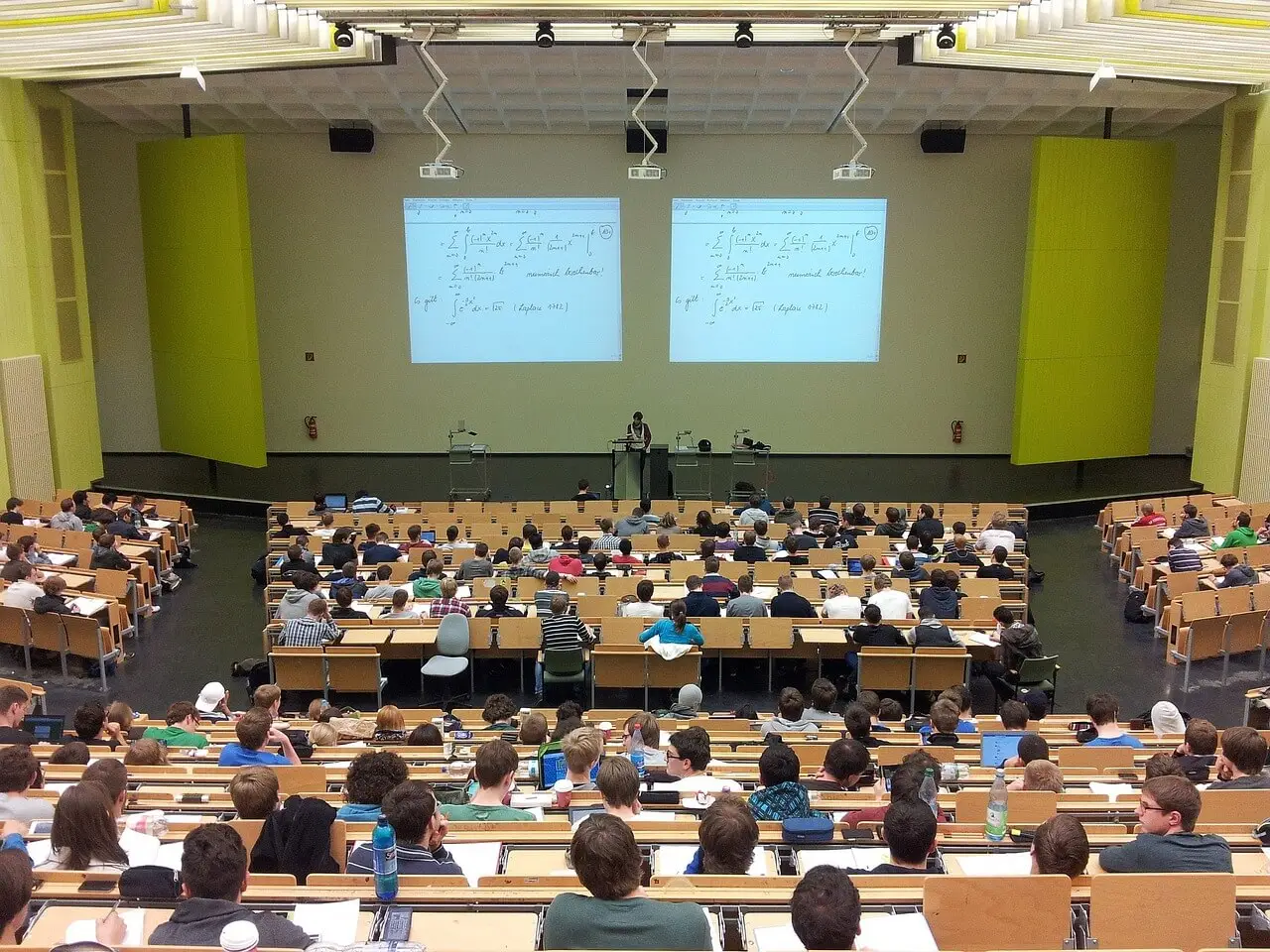

If you are reading this, it is assumed that you are about to embark on an exciting new journey in teaching at university level. Congratulations! You are about to enter a highly rewarding area of academia where each day is different and full of opportunity to inspire those around you. This blogpost goes through five key considerations to help you prepare for success before entering the classroom.


Adapting to changes in research plans is an important skill for all researchers. Karl Miller writes about the challenges faced during the COVID-19 pandemic, including working from home, the inability to access equipment, and the need to redesign studies. However, online data collection provided new opportunities for learning and developing new skills.

Discover how Vanessa Corcoran, a historian with a focus on medieval witchcraft, pivoted her dissertation topic to the Virgin Mary after immersing herself in coursework on medieval religious history. Learn how her decision was received by her professors, the challenges she encountered, and what inspired her to make the shift.
Discover what life has to offer after completing a PhD as Aly Flint reflects on her experience as an Early Career Researcher. After looking for work in the academic job market, Flint found The Brilliant Club, which offers rewarding and flexible work teaching university-style short courses to secondary school students, allowing her to create bespoke courses based on her current research.