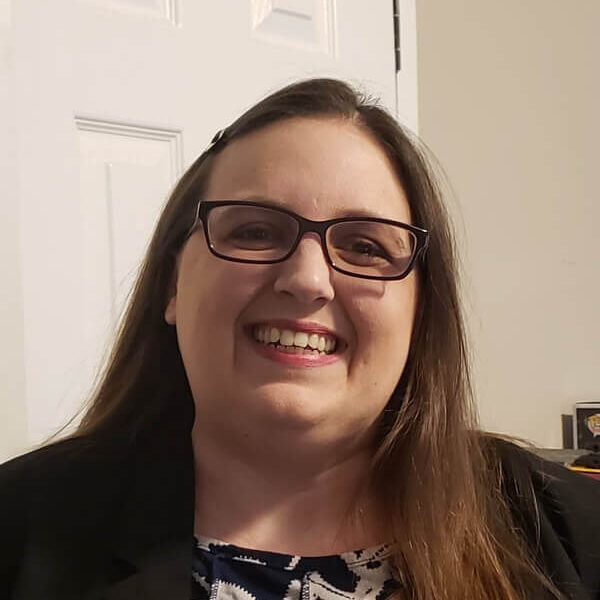

In this article, Kristin Hynes describes her experience of comprehensive exams (required by some US universities.) With 5 tips, Kristin shares how other students can be successful in this part of the admissions process.

Get insights from a PhD candidate’s reflective diary on the process of starting, struggling with, and ultimately completing a doctoral research project. Discover the trials and tribulations of getting ethical approval, recruiting participants, and navigating the pandemic while working towards a degree.
In this article, Kristin Hynes describes her experience of comprehensive exams (required by some US universities.) With 5 tips, Kristin shares how other students can be successful in this part of the admissions process.

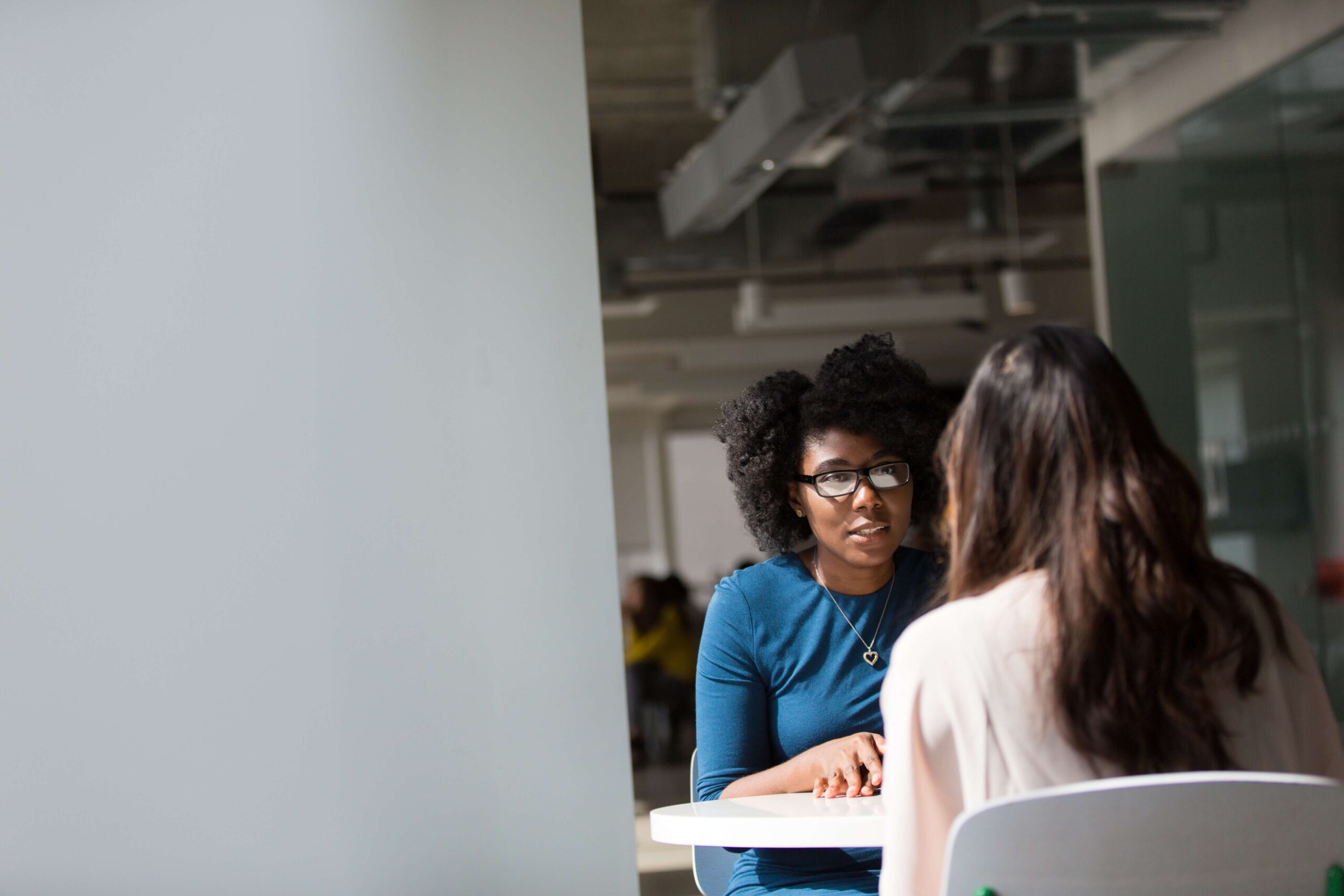
Ready to take the next step in your academic career with a PhD? Don’t miss out on these top tips for acing your PhD interview, from finding the right project to researching your supervisors and preparing for presentations.
In this article, Melissa Vasi shares her experience of having a supportive and understanding supervisor during her PhD journey. She explains how being a supervisor is not just limited to correcting a thesis, but also being a mentor and friend.

This article explores the experience of doing a part-time distance PhD in later life. The author’s age was an advantage, allowing them to focus on their thesis without distractions or major hiccups. The article reflects on how to make for a smooth doctorate – emphasising the importance of strong interest in your topic, supervisors who are easy to work with, and a bit of luck!
From the importance of taking breaks, finding a supportive group, to valuing yourself and networking, these tips will help you get through the rough times and make the most of your PhD experience.
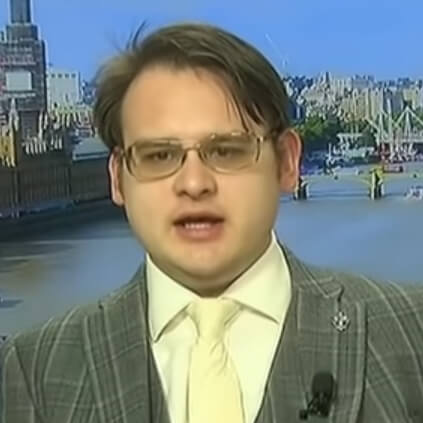
Dr Nicolai Due-Gundersen shares advice for turning your thesis into a book.