

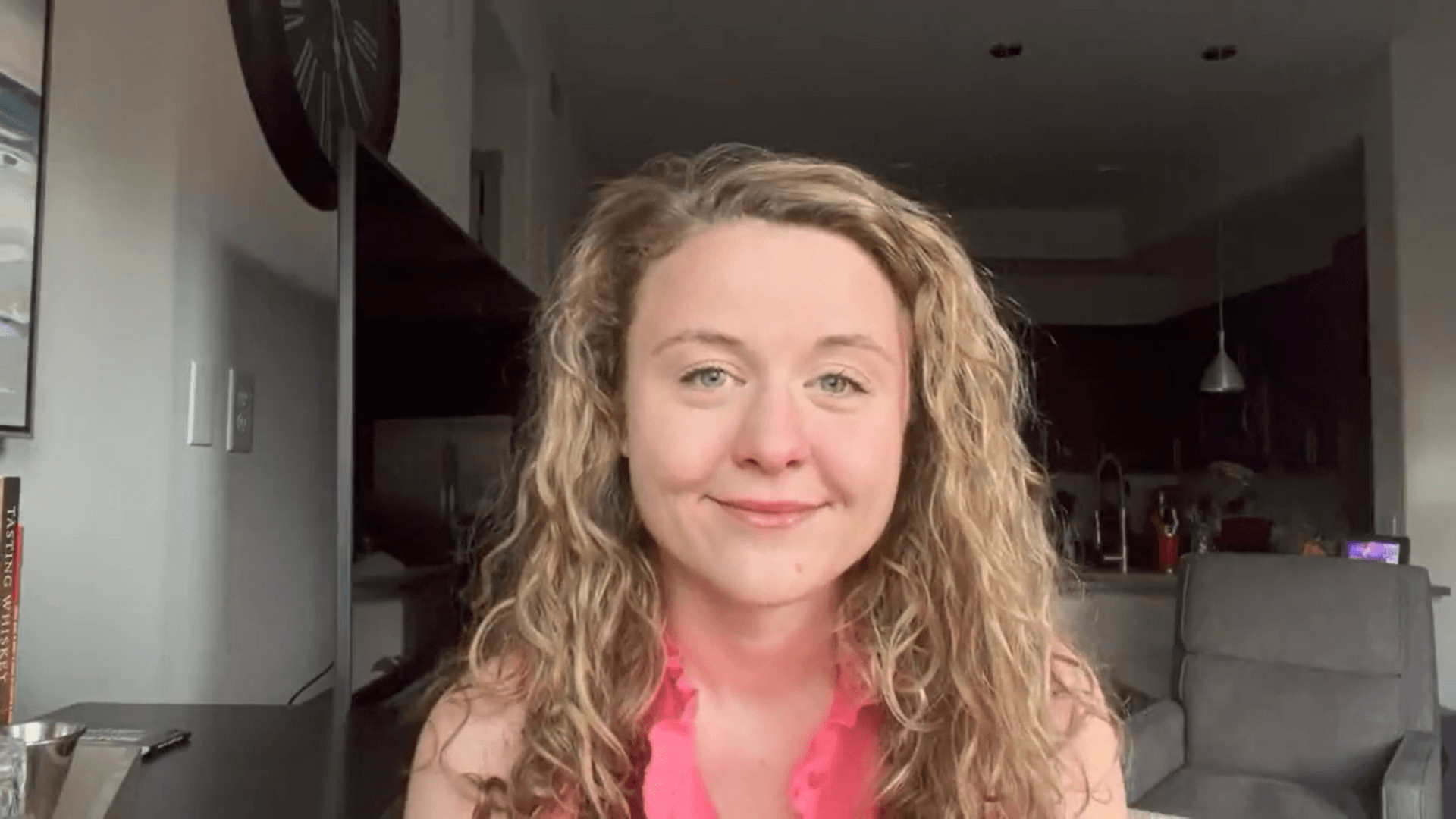
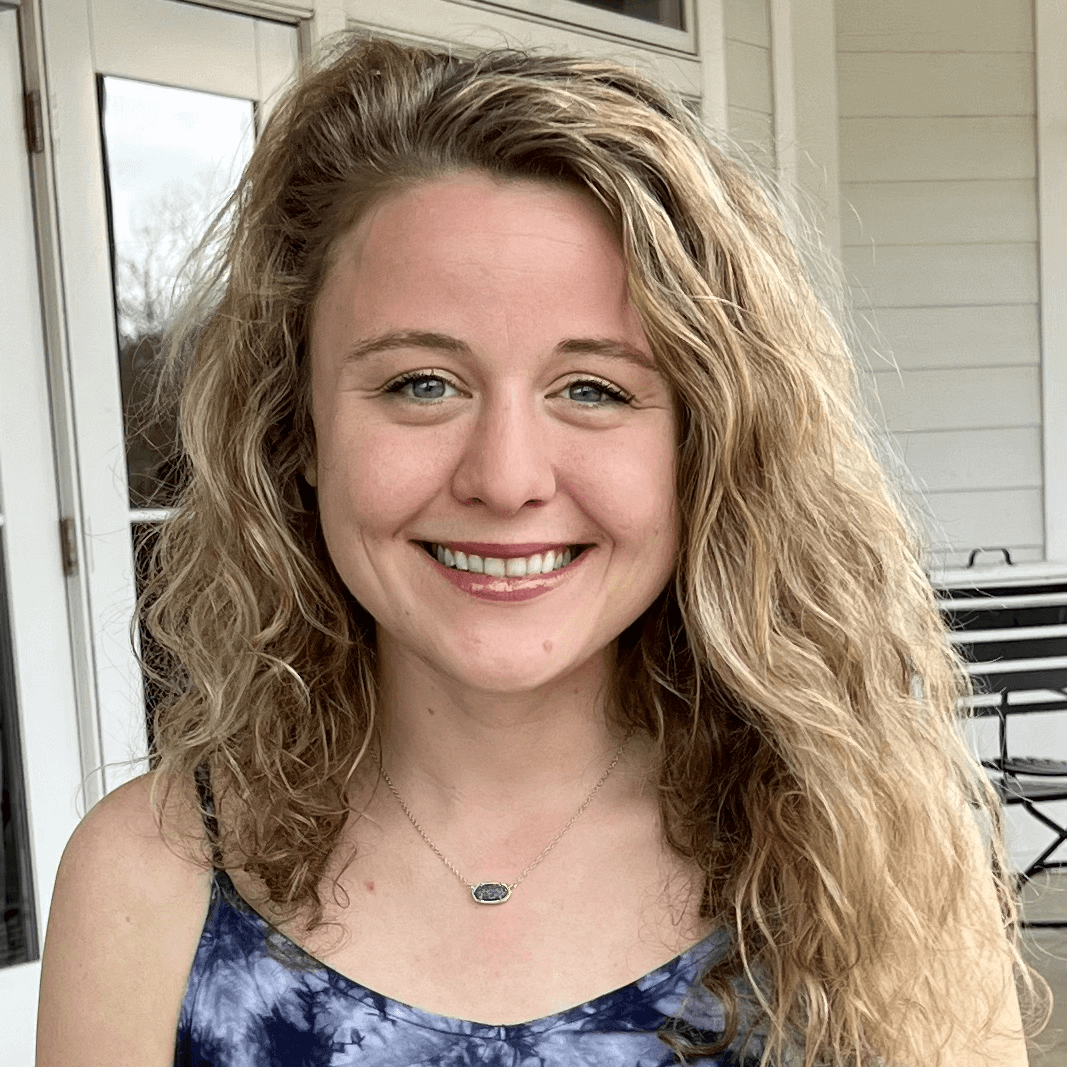
In this PhD Talk, Karly Ball draws on both personal experiences and important insights from her study into navigating disability disclosure in the PhD application process. She outlines three potential considerations for disclosing a disability during this process.

Dr Chris Thompson shares his experience of pursuing a PhD scholarship which was more challenging than doing a PhD itself. He talks about the emotional impact of rejection letters and the moments when he hit rock bottom.

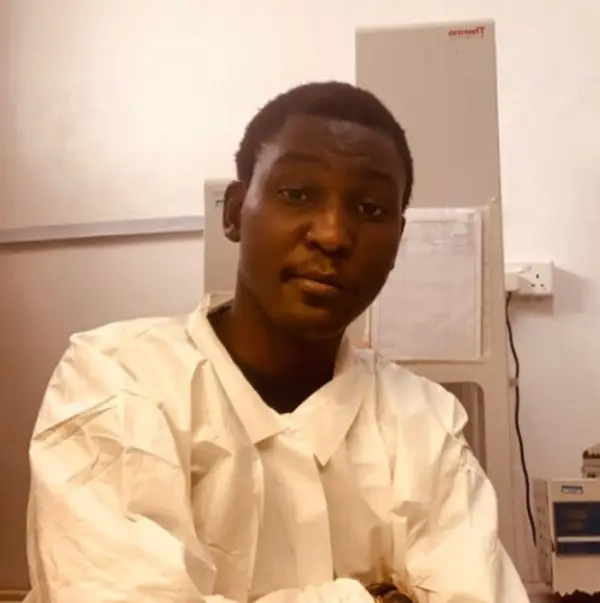
In this motivational article, the author reflects on their journey to securing a PhD in their home country of Nigeria after rejections abroad. They have come to see this redirection as a blessing in disguise. The article emphasises the importance of persistence and making the most of opportunities available to you, wherever that may be.

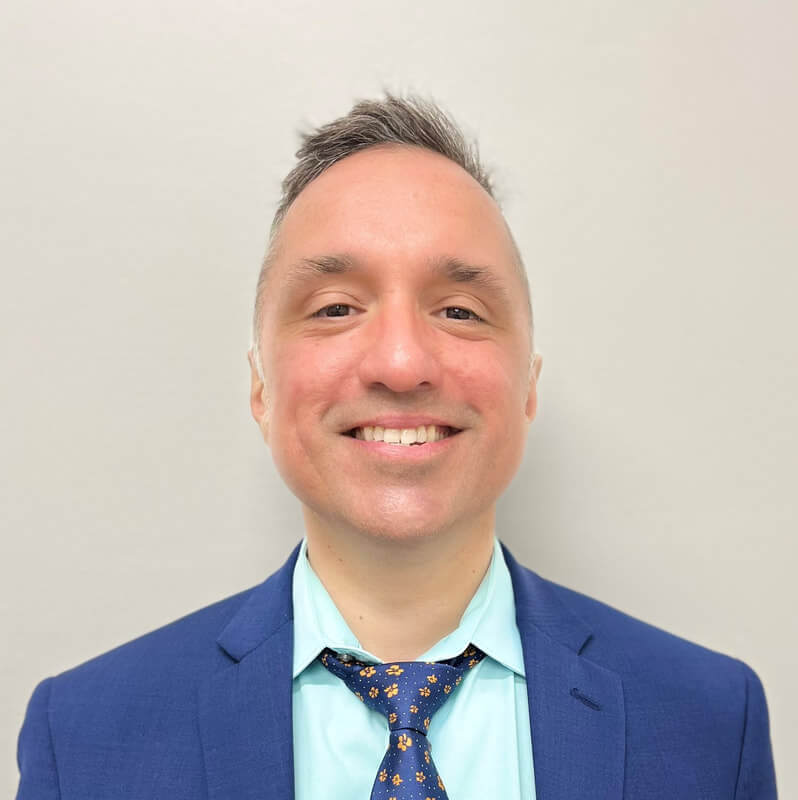
Read D. Gabriel Cruz’s inspiring story of how he pursued a doctoral degree. Cruz’s faith in God, his perseverance, and dedication helped him attain a higher academic level, and he hopes his story will motivate and encourage others to pursue their goals.

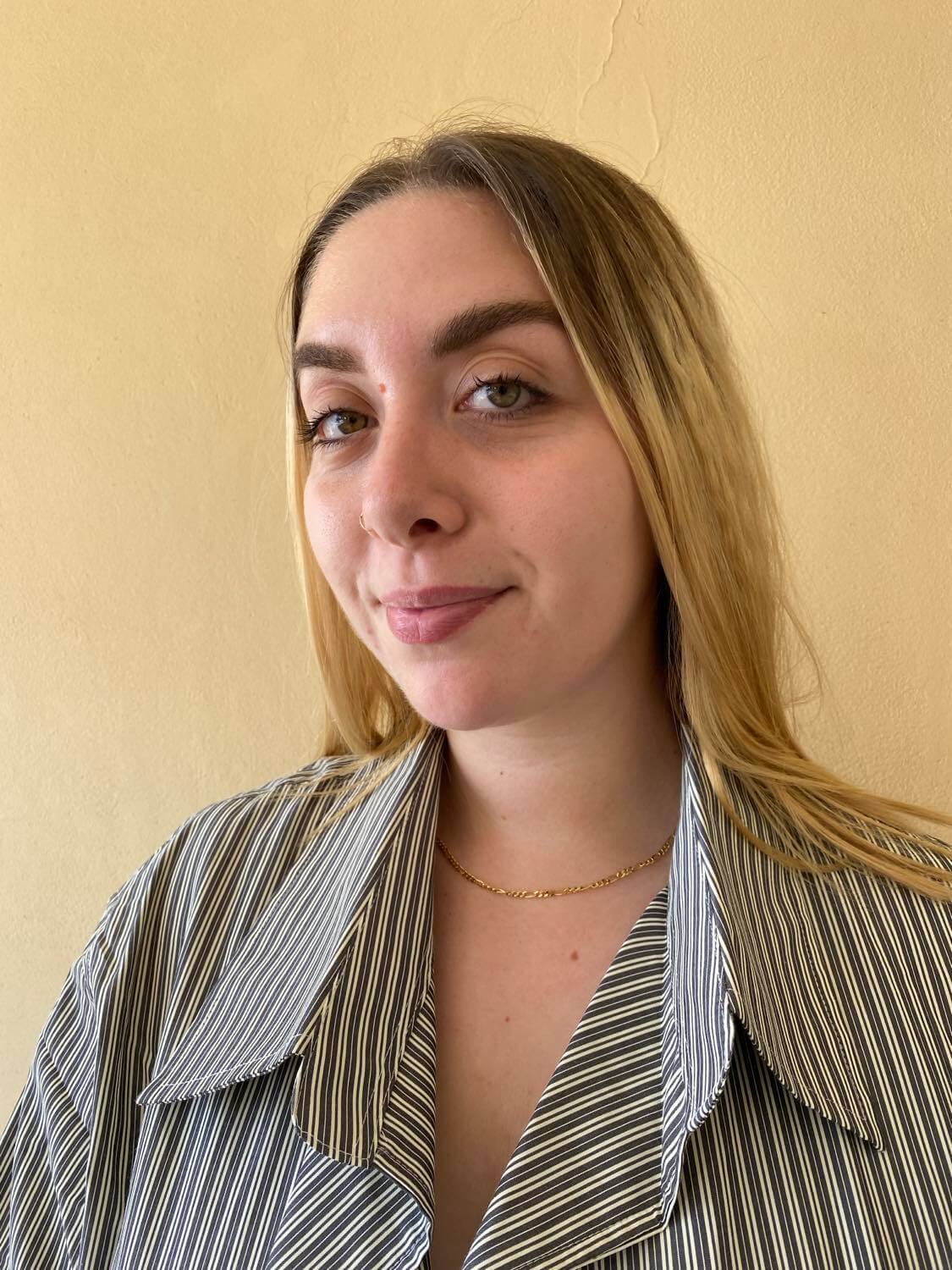
Ever spent years in a degree you were not happy with? This PhD student has, and she advocates for being brave enough to choose personal fulfilment over societal expectations and conventional timelines. In this article, she shares her breakthrough in changing academic direction to a path that better aligns with her passions, and offers empowering words to others who may be in a similar situation.

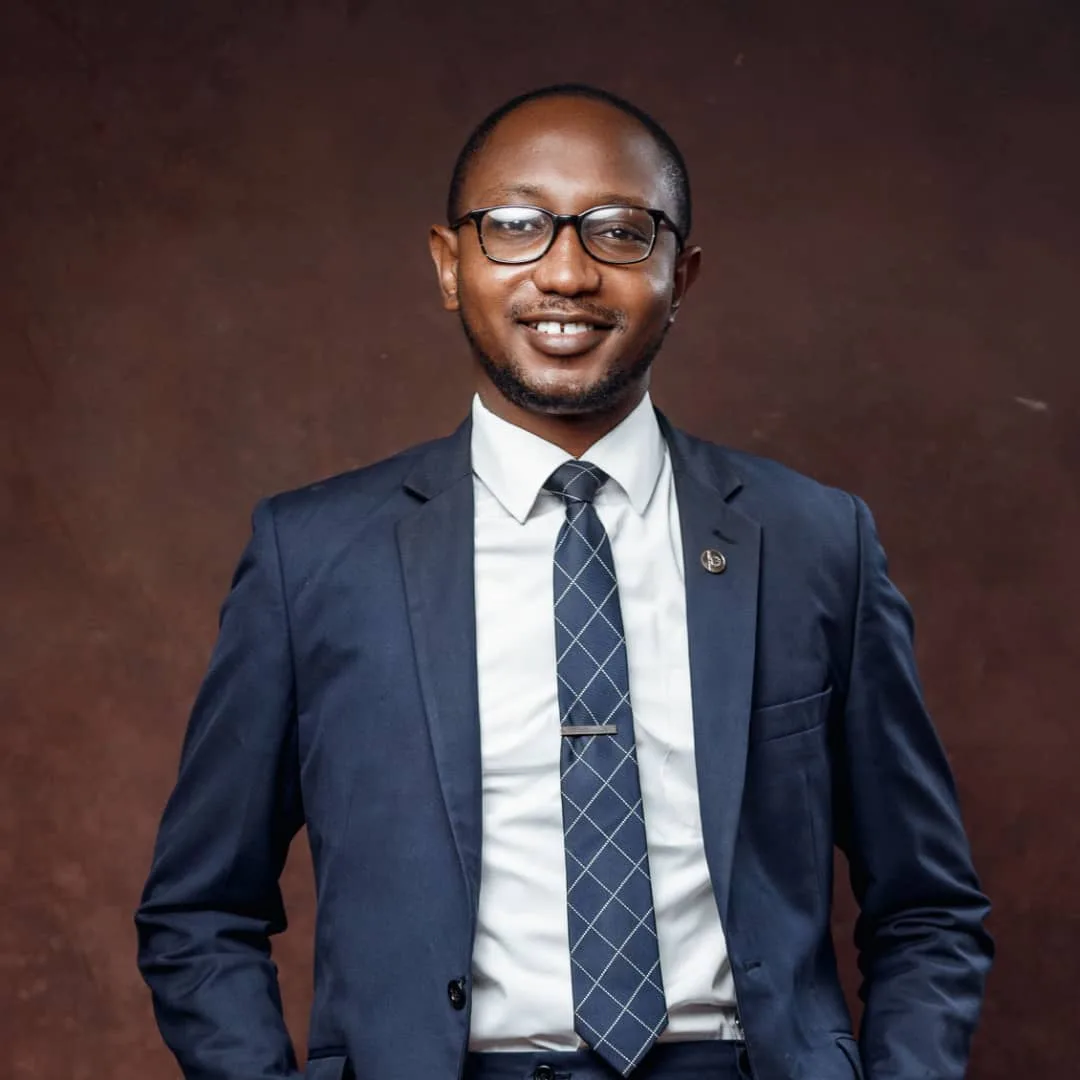
Mentors and supervisors are invaluable helpers on our PhD journey, yet this aspect of a PhD is often not considered enough to ensure they are the right fit for us. This article, from a Ghanian perspective, provides advice on finding and maintaining the right supervisors, who have the potential to completely transform one’s PhD journey into an enjoyable one. It reminds us that supervisors should be seen not as someone to try to replicate, but to springboard us into attaining our own personal goals.

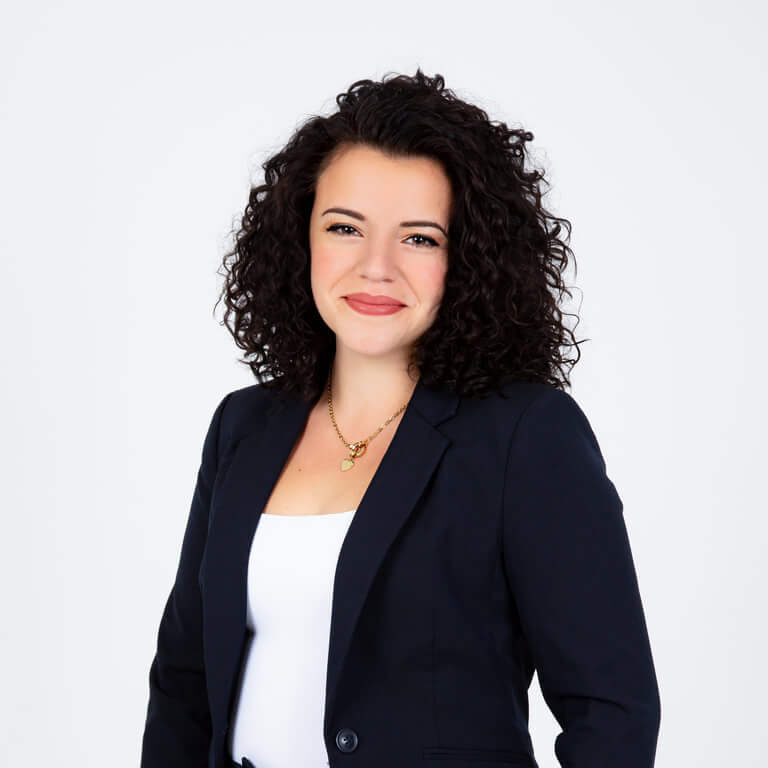
In this article, Melissa Vasi shares her experience of having a supportive and understanding supervisor during her PhD journey. She explains how being a supervisor is not just limited to correcting a thesis, but also being a mentor and friend.

Learn how to get university funding for online courses. Real examples + a letter template to request support for your training.