
This article takes the reader on a journey of a doctoral student, from applications, interviews, and building a relationship with supervisors, to coming full circle by mentoring other students starting out and facing challenges. The writer shares their advice and their own personal experience of each stage, including their fulfilling mentoring work promoting awareness of mental wellbeing among PhD students.
From the importance of taking breaks, finding a supportive group, to valuing yourself and networking, these tips will help you get through the rough times and make the most of your PhD experience.

Dr Chris Thompson shares his experience of pursuing a PhD scholarship which was more challenging than doing a PhD itself. He talks about the emotional impact of rejection letters and the moments when he hit rock bottom.

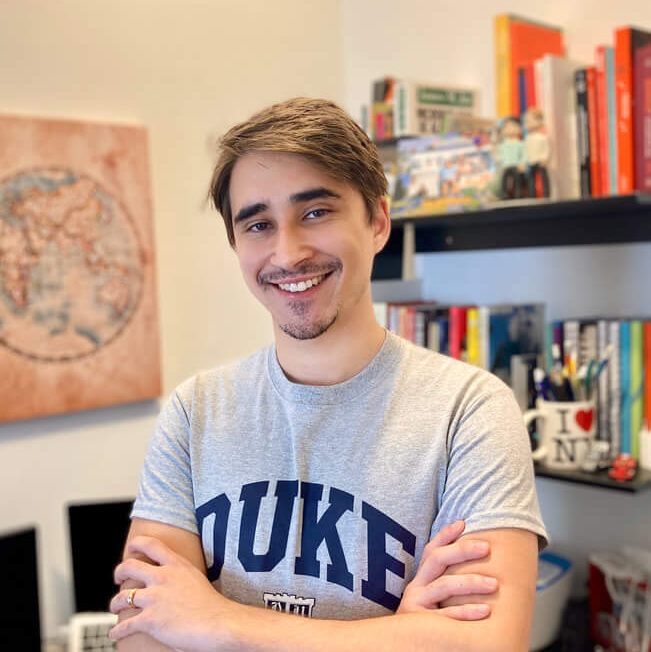
Follow Marco T.P. Gontijo’s journey as he applied to PhD programs, received the prestigious Fulbright scholarship, and was accepted into a PhD program at Duke University in Molecular Genetics and Microbiology.
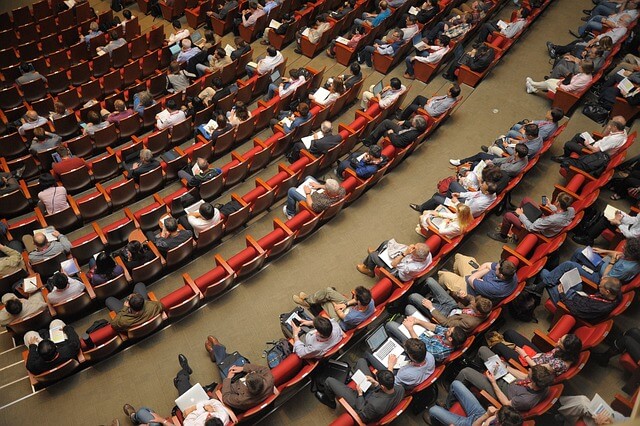
Spoken communication is a critical skill in academia, requiring clarity, engagement, and adaptability to effectively share research or teach complex concepts. Whether you’re presenting research or explaining scientific principles to students, these tips can help you communicate with confidence and impact.

Discover the secret power of blogging for PhD students looking to combat boredom and isolation. Kerry McPherson shares her experience starting a collaborative science communication blog and how it led to networking, expanding her communication skills, learning, and even career opportunities.

Dr Due-Gundersen outlines how to publish your thesis as a peer-reviewed book.

Rejection stings. You put months into a paper, edit it until you can’t stand to look at it anymore, hit submit, and then a few