
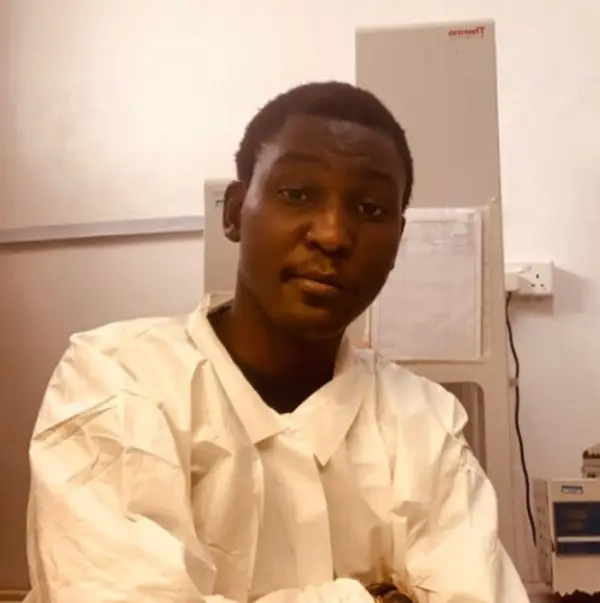
In this motivational article, the author reflects on their journey to securing a PhD in their home country of Nigeria after rejections abroad. They have come to see this redirection as a blessing in disguise. The article emphasises the importance of persistence and making the most of opportunities available to you, wherever that may be.

Learn about the similarities between pursuing a PhD in a research field and launching a startup business. From selecting a viable research topic to marketing your work, PhD students and entrepreneurs have overlapping skills and mindsets that can lead to success. Read more to find out how PhD students can learn from entrepreneurial techniques to achieve success in academia.

Looking for guidance on pursuing a PhD in the social sciences? This article outlines two main routes to obtaining a PhD: applying to a pre-existing program or creating and proposing an original research project, and offers advice on how to find supervisors, create proposals, and apply for funding.
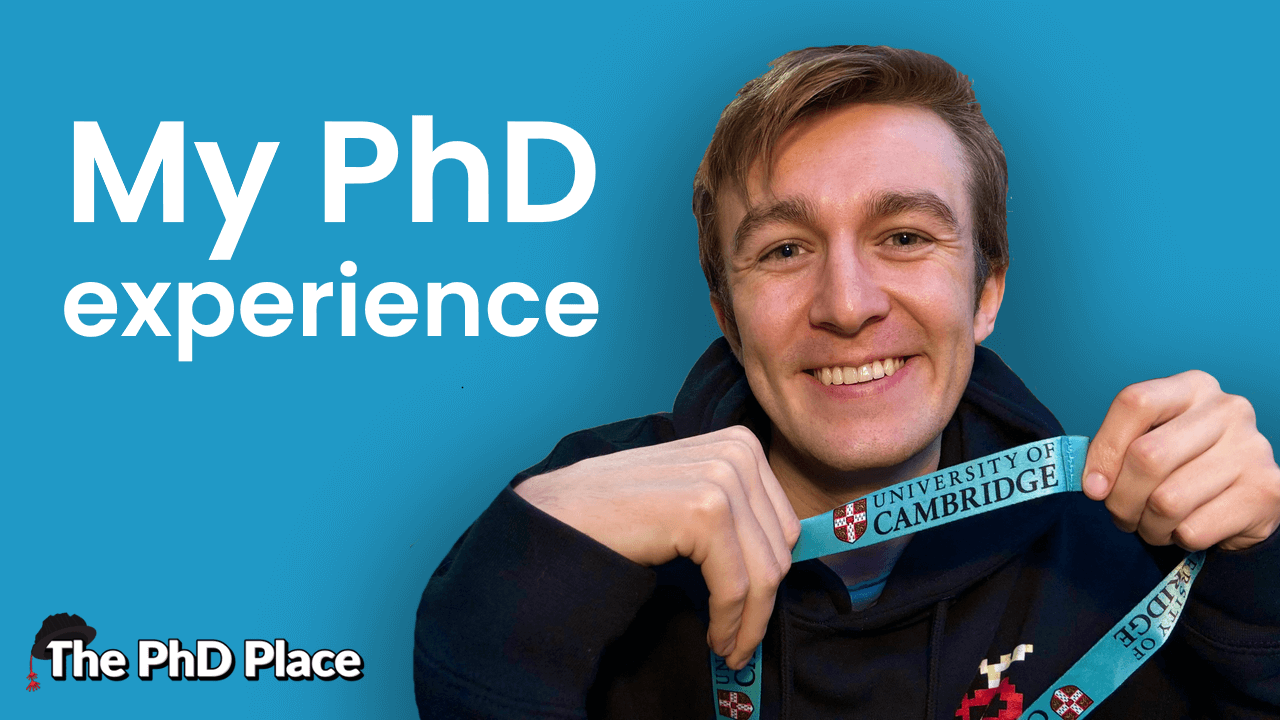

Meet Cameron, a PhD student from Cambridge University. In this video, he shares his experiences and offers valuable tips to help you make the most of your own academic journey. Join him as he provides insights and guidance for navigating the challenges of pursuing a PhD.
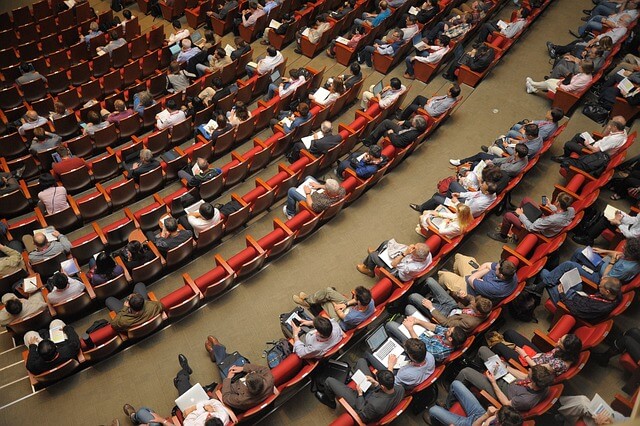
Spoken communication is a critical skill in academia, requiring clarity, engagement, and adaptability to effectively share research or teach complex concepts. Whether you’re presenting research or explaining scientific principles to students, these tips can help you communicate with confidence and impact.
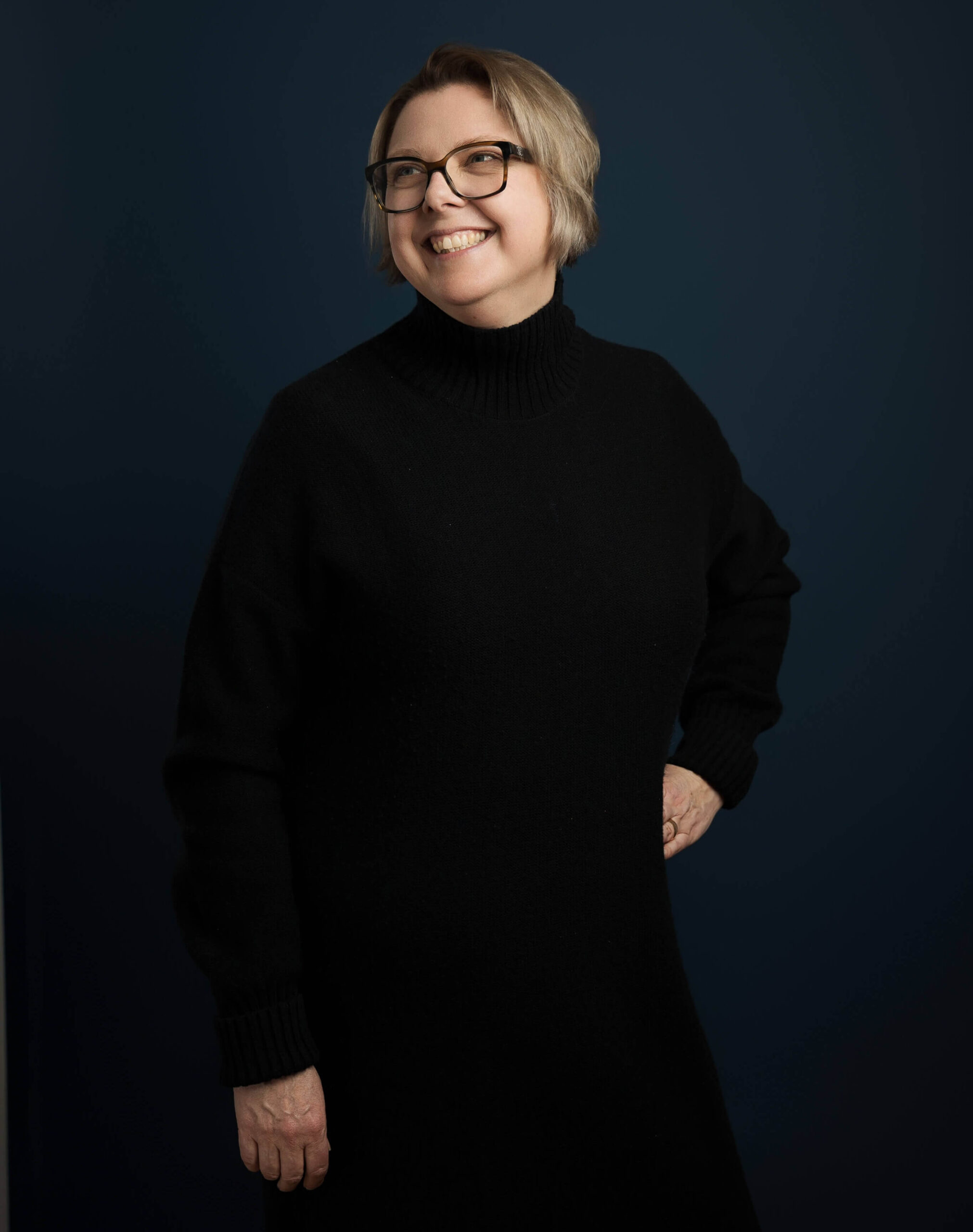
Inger ‘The Thesis Whisperer’ Mewburn is something of a superhero to PhD students around the world, dedicated to improving doctoral experiences and post-PhD employability. In this interview, our Editor-in-Chief Charlotte Marino is delighted to share Inger’s wisdom on everything from careers advice to the moral panic around AI – all the while advocating for a kinder, more inclusive academia.


Navigating the unexpected departure of her advisor, Claire shares her tips on dealing with the challenges of this uncertainty during her PhD.

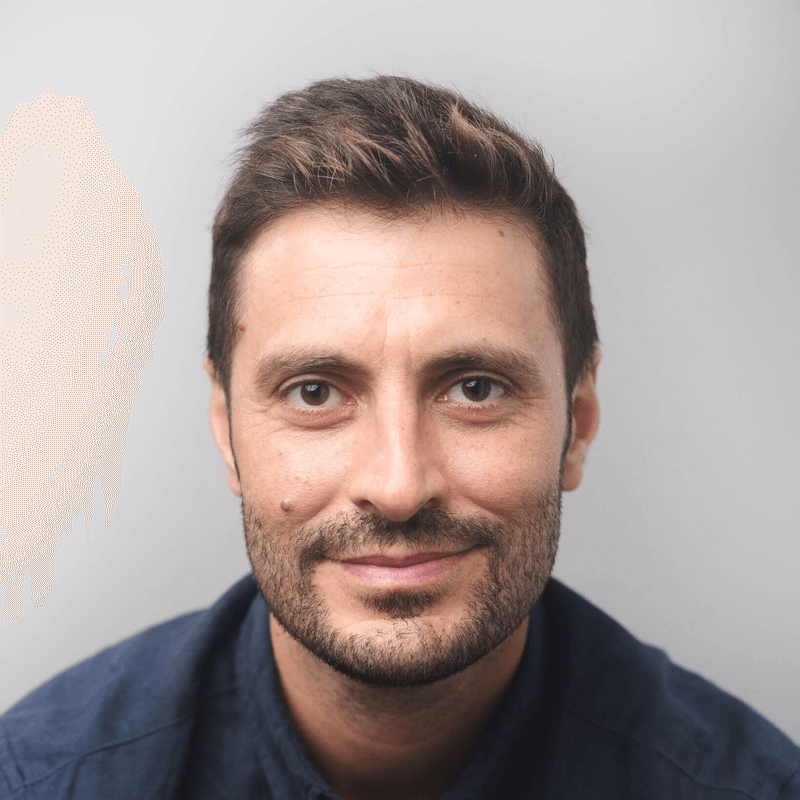
Mentorship is key to success in non-academic careers. Matteo Tardelli shares how you can seek guidance from industry experts and alumni outside of academia. With dedication and persistence, anyone can find the right mentor to thrive in their chosen field.