

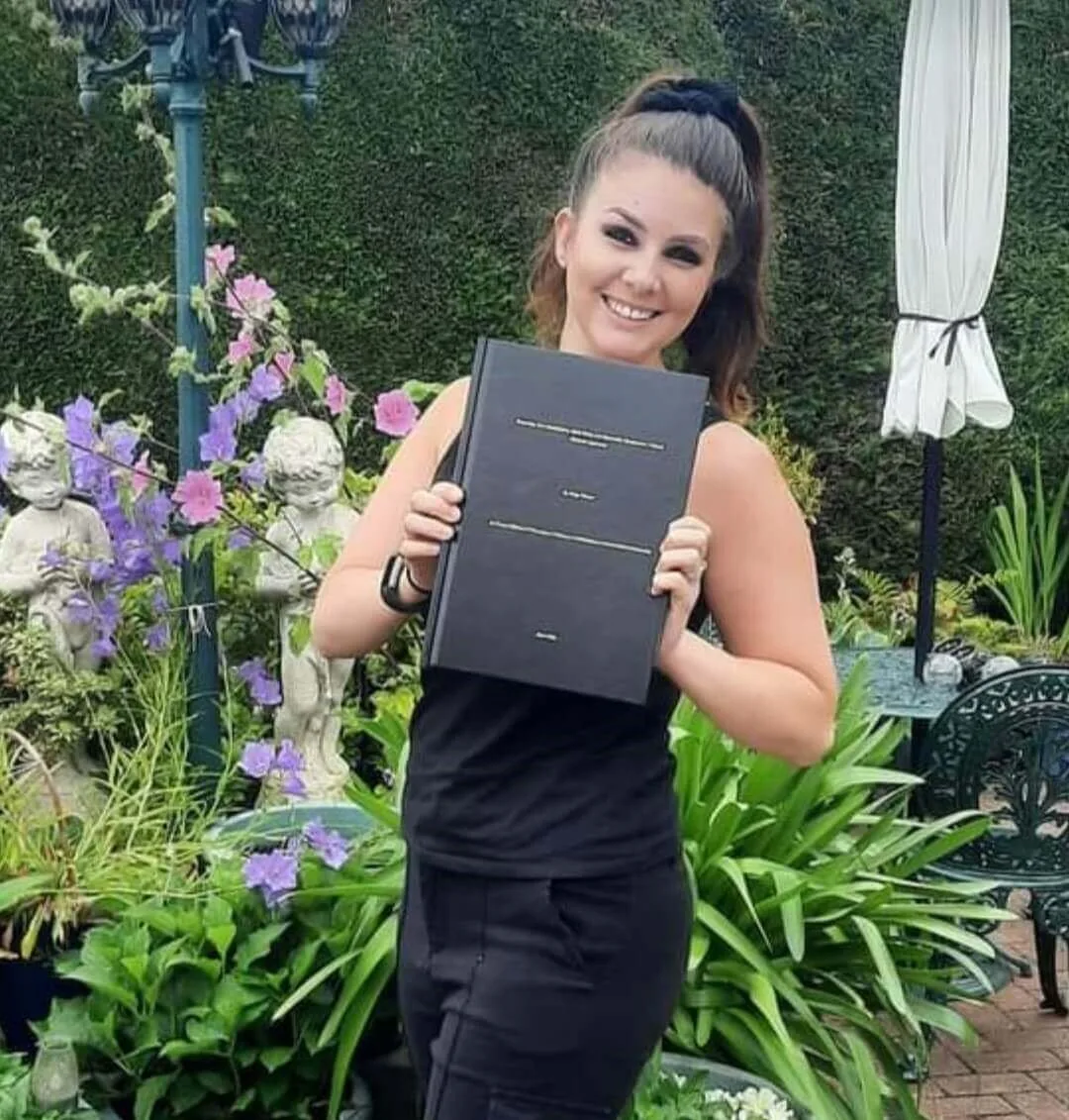
Are you thinking about using mixed methods (both quantitative and qualitative data) in your PhD? This article guides you through different ways of doing mixed methods PhD research, from proposal writing to collecting and analysing data. It emphasises the importance of rigor in mixed methods research and how to achieve this.

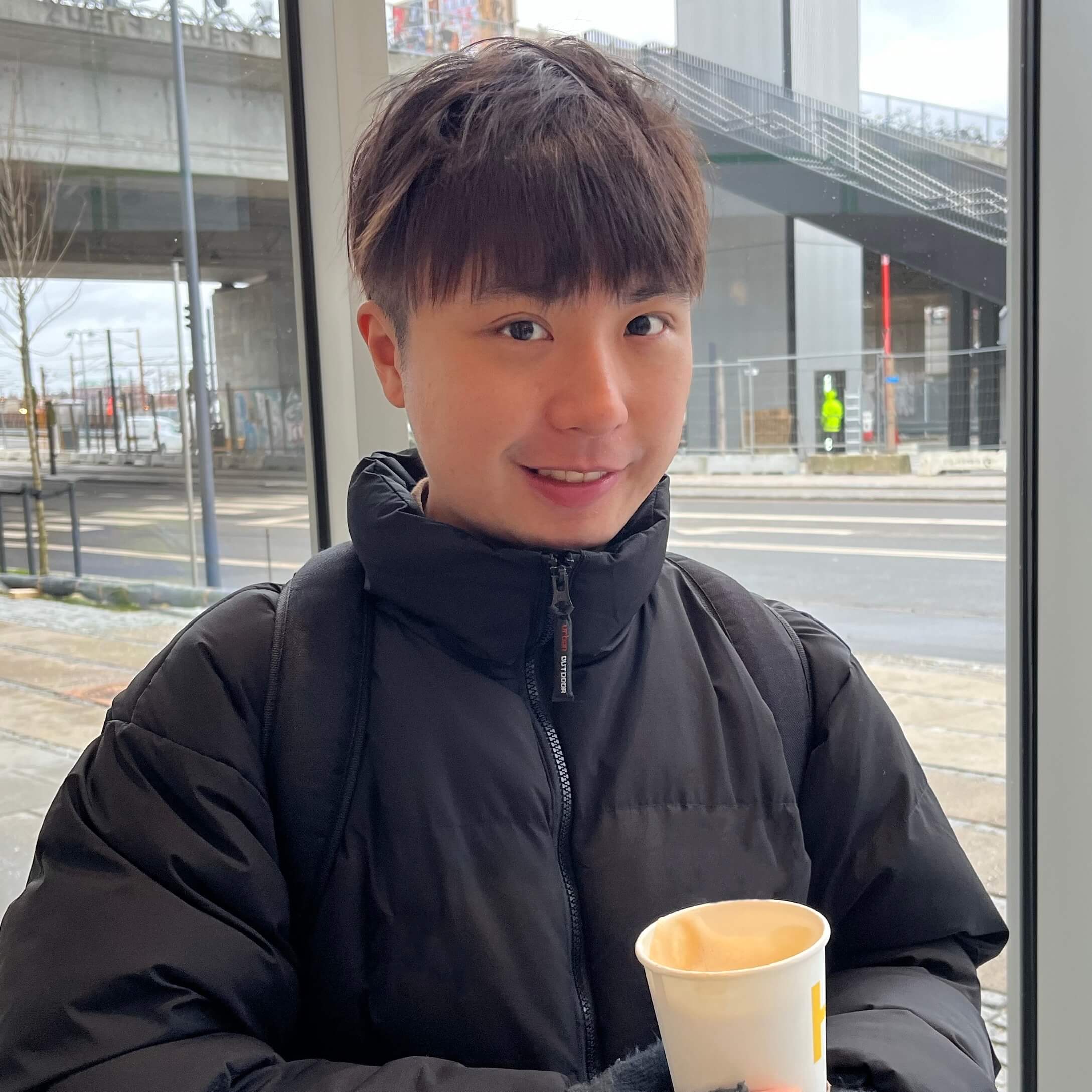
This article highlights the issue of unclear and unpredictable application processes for postdoctoral opportunities in the UK and beyond. Drawing on philosophical concepts like hauntology, it calls for universities to honour (or refrain from setting!) their ‘outcome announcement’ dates, as this would alleviate disappointment and foster greater fairness and transparency in postdoctoral applications.
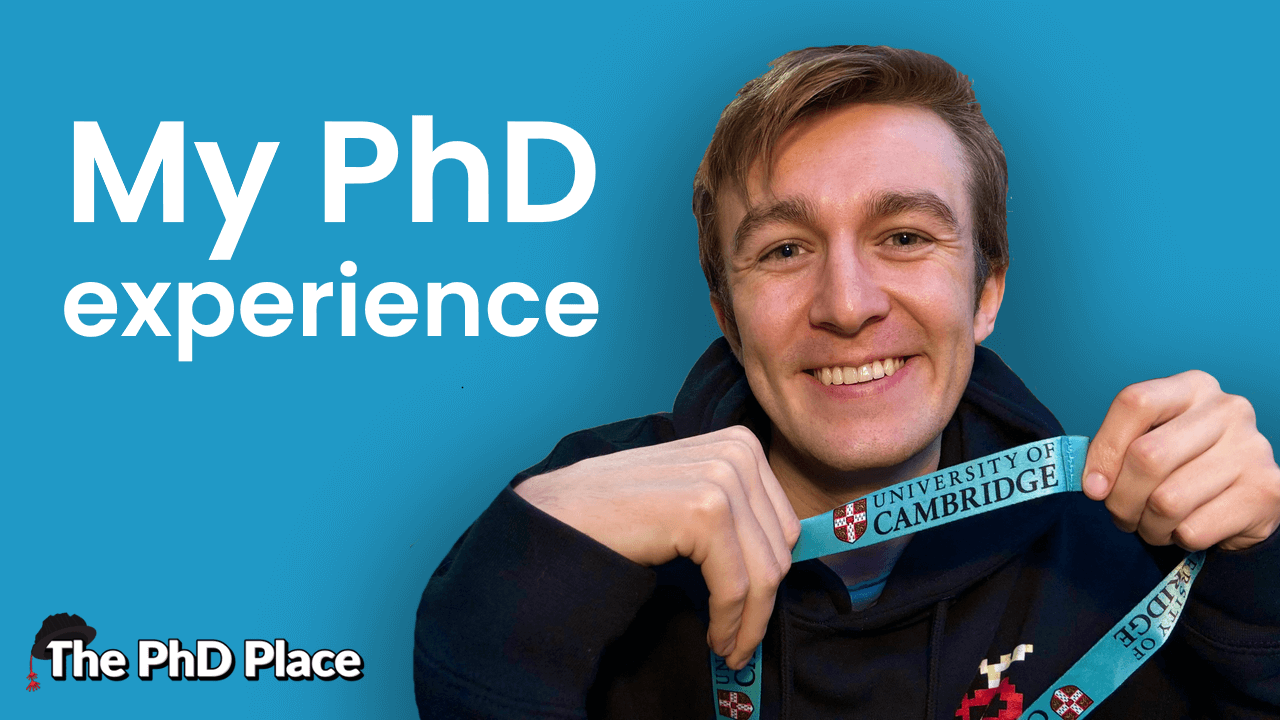

Meet Cameron, a PhD student from Cambridge University. In this video, he shares his experiences and offers valuable tips to help you make the most of your own academic journey. Join him as he provides insights and guidance for navigating the challenges of pursuing a PhD.

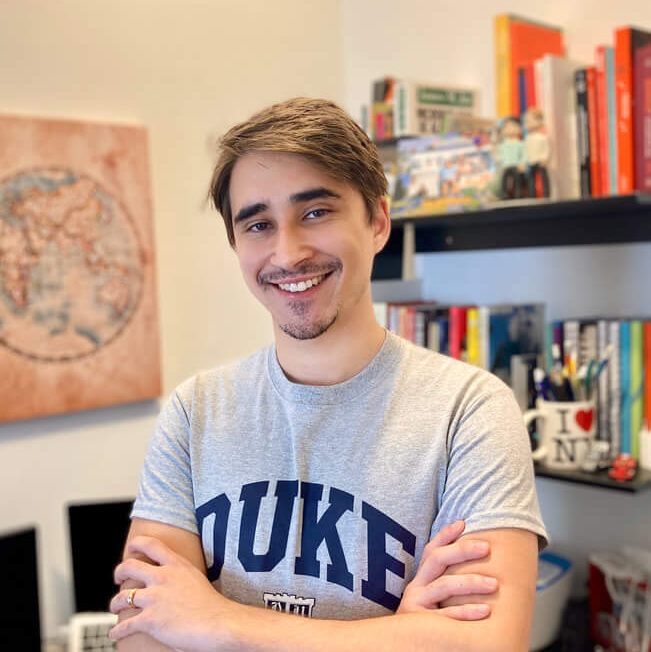
Follow Marco T.P. Gontijo’s journey as he applied to PhD programs, received the prestigious Fulbright scholarship, and was accepted into a PhD program at Duke University in Molecular Genetics and Microbiology.


The stress and all-consuming nature of pursuing an academic career is often detailed in social media posts and anecdotal tales. Whilst it is useful for PhD students to understand the perils of careers in academia, this article provides further context for some of the issues surrounding progression in the academic profession. It runs through five factors that impact on how all-consuming academic careers can be, ultimately advising you to progress in academia at your own pace.
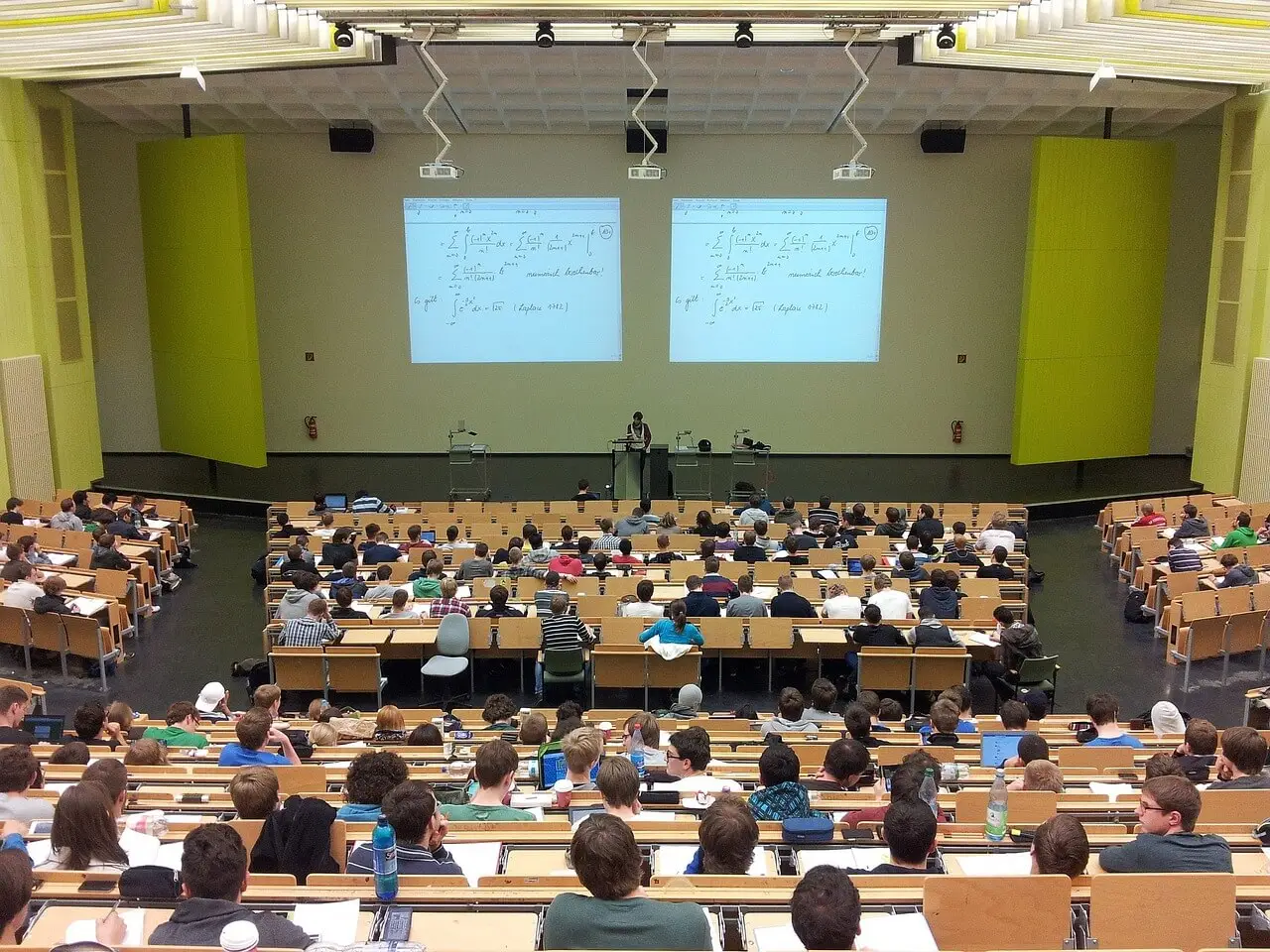
If you are reading this, it is assumed that you are about to embark on an exciting new journey in teaching at university level. Congratulations! You are about to enter a highly rewarding area of academia where each day is different and full of opportunity to inspire those around you. This blogpost goes through five key considerations to help you prepare for success before entering the classroom.

How do you get from the first day of your PhD program to a functional dissertation proposal in two years? In this article, a now-Associate Professor discusses how they used every class to funnel down their PhD proposal while reading widely. *Results may vary.

Learn how to get university funding for online courses. Real examples + a letter template to request support for your training.